Zelensky's dismissal of Ukraine's defence chief sparks political crisis
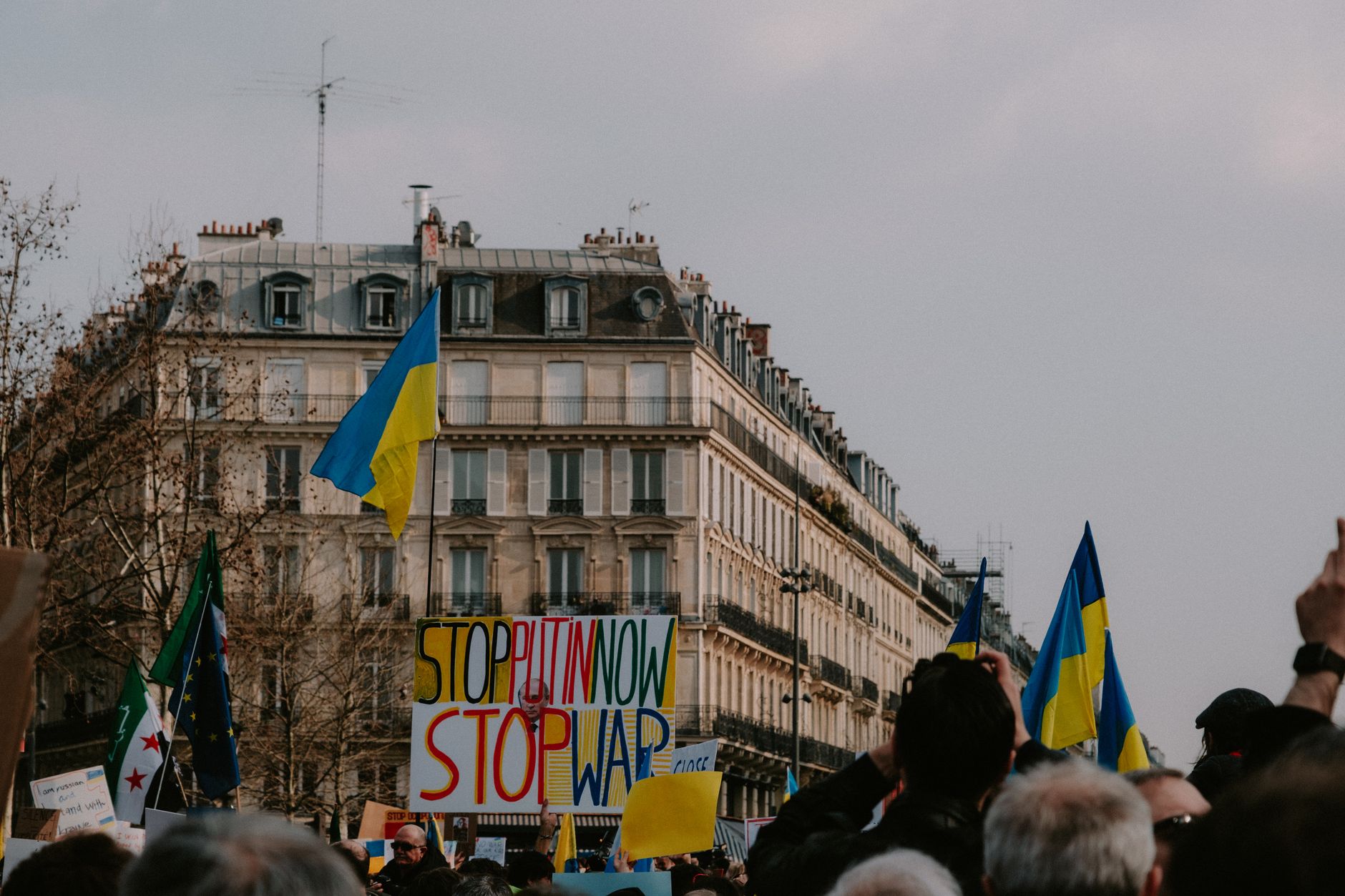
Rare protests erupted in Ukraine on Thursday after President Zelensky dismissed Defence Minister Mykhailo Fedorov, deepening a political rift as the president overhauls his wartime cabinet for the second time in a year.
Rare public protests erupted in Ukraine on Thursday following President Volodymyr Zelensky's decision to dismiss Defence Minister Mykhailo Fedorov, a reformer whose growing dispute with the country's top general has now spilled into the open. The move marks the second major overhaul of Zelensky's wartime cabinet in twelve months, raising questions about stability as the war with Russia grinds on.
The dismissal and immediate fallout
Demonstrators took to the streets in several Ukrainian cities, expressing anger over the sudden ouster of Fedorov, who had been a key figure in modernizing the defence ministry and pushing anti-corruption measures. The protests, though not widespread, were notable for their rare public criticism of the government during wartime. Zelensky's office confirmed the dismissal without providing detailed reasoning, but sources indicate that a long-simmering conflict between Fedorov and Ukraine's top general, Valeriy Zaluzhny, had reached a breaking point.
The dispute with the top general
The rift between Fedorov and General Zaluzhny had been an open secret in Kyiv for months. Fedorov, a Western-backed reformer, advocated for faster changes in procurement and military management to combat corruption and improve battlefield efficiency. Zaluzhny, by contrast, favored a more cautious approach, prioritizing operational continuity over sweeping reforms. Tensions escalated recently over the allocation of resources and decision-making authority, culminating in Fedorov's dismissal. Analysts suggest that Zelensky's choice to side with the general reflects a pragmatic shift toward military unity over reformist zeal.
Second wartime cabinet overhaul
This is not the first time Zelensky has reshuffled his top team during the war. In September 2023, he replaced Defence Minister Oleksii Reznikov with Fedorov, citing the need for stronger oversight and faster reforms. The latest change, coming less than a year later, underscores the difficulty of balancing wartime discipline with the demand for institutional renewal. Critics argue that frequent leadership changes risk undermining morale and Western confidence in Ukraine's governance. Supporters, however, point to the necessity of adapting to shifting battlefield and political realities.
International and domestic reactions
While the United States and European Union have not commented directly on Fedorov's dismissal, the move is being watched closely by international partners who have tied aid to governance reforms. Domestically, the protests signal growing unease among segments of the population about the direction of the war effort. Political analysts warn that if the Zelensky-Zaluzhny divide continues to widen, it could lead to further instability and even calls for new elections, a politically sensitive topic during an ongoing invasion.

What this means for Ukraine's war effort
The dismissal of a reformist defence minister at a critical juncture of the war carries risks. As Ukraine prepares for a possible Russian offensive this spring, coordination between civilian and military leaders is paramount. The Zelensky administration insists that the change will strengthen command coherence, but the public display of disagreement suggests deep-rooted challenges. Next steps include appointing a successor for Fedorov—likely someone acceptable to both Zelensky and Zaluzhny—and managing the fallout among Western allies. The coming weeks will test whether the shake-up reinvigorates the war effort or further divides the leadership.