Record July Ocean Heat: Scientists Warn of Climate Breakdown

Record ocean heat in July underscores a summer of extremes as western Europe swelters. Scientists warn of climate breakdown amplifying heat and drought.
The world's oceans have absorbed record-breaking heat this July, with average sea surface temperatures outside polar regions reaching their highest level ever recorded for the month, the EU's Copernicus Climate Change Service reported. The announcement comes as western Europe endures a summer of extreme heat, wildfires, and drought, intensifying concerns that climate breakdown is amplifying the very extremes that reinforce each other.
Ocean Temperatures Shatter Records
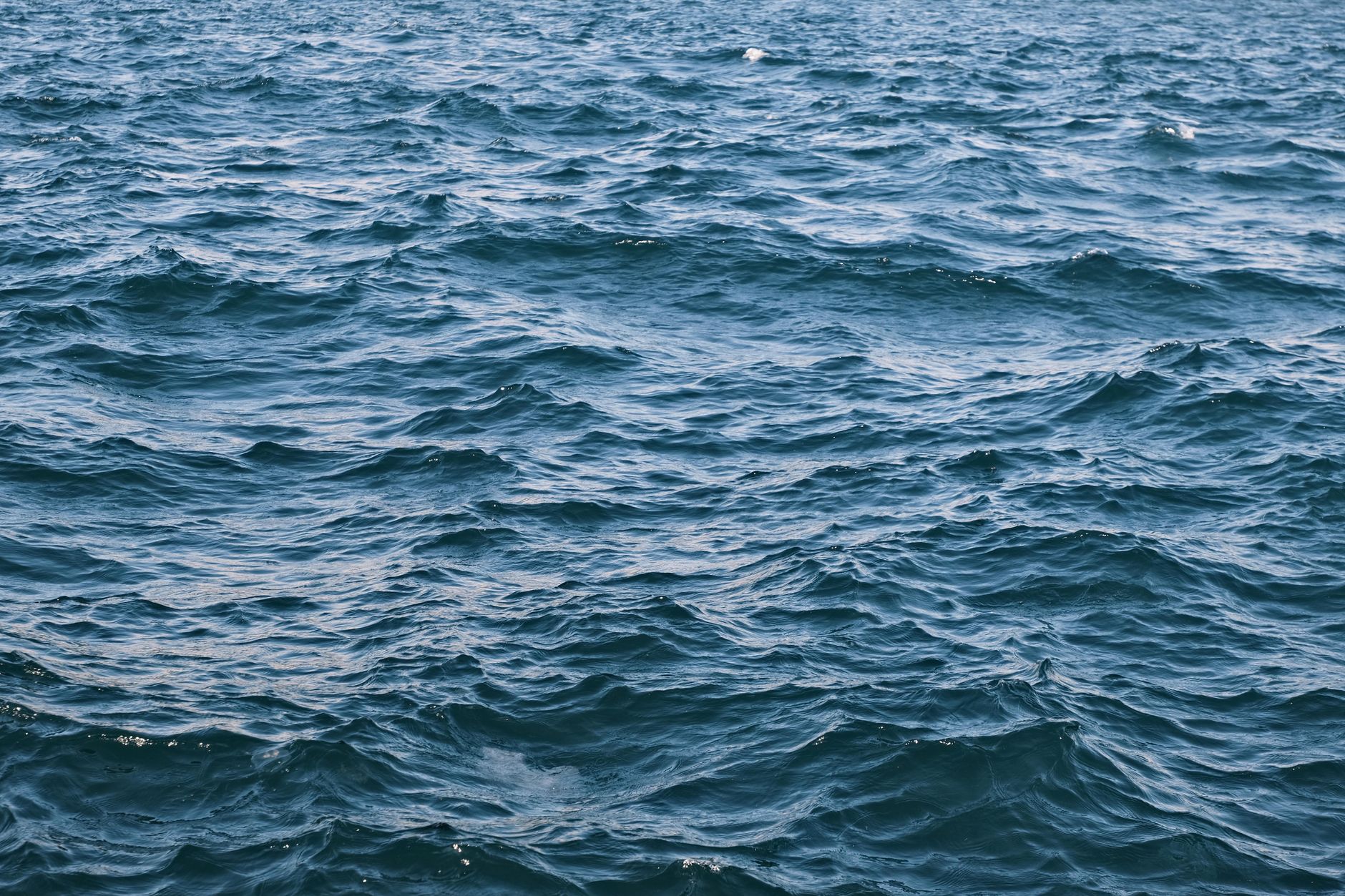
According to Copernicus, sea surface temperatures hit record highs for July along the Atlantic coast and in the western Mediterranean, as severe marine heatwaves roiled Europe's seas. On a global scale, the average sea surface temperature outside the cold polar regions was the highest ever recorded for July, surpassing the previous record set just last year. These elevated ocean temperatures not only threaten marine ecosystems but also contribute to atmospheric heat and more intense storms.
A Summer of Scorching Extremes
The heat was not confined to the seas. Surface air temperatures in July were slightly cooler than the same month in 2024 — by a marginal 0.01°C — leading scientists to regard the two months as the joint-second warmest Julys on record. Western Europe experienced its hottest June–July period on record, with data revealing temperatures 2.79°C above the usual average. The "exceptional persistence of heat" since the season began has driven devastating wildfires across the Mediterranean and has already claimed thousands of lives, with a late-June heatwave alone estimated to have killed more than 10,000 people. National temperature records toppled in several countries, including Austria and Slovakia, as central Europe reels from the unrelenting heat.
Drought and Heat Feed Each Other
Widespread dryness that was observed across western Europe in May and June intensified last month, with exceptionally low rainfall and soil moisture in many areas. This feedback loop is a key concern for climate scientists. As Samantha Burgess, a climate scientist at the European Centre for Medium-Range Weather Forecasts, explained, persistent high-pressure systems have trapped heat over the region, while the extreme temperatures simultaneously amplify drought. "As soils dry out, they lose their ability to provide natural cooling, allowing heat to build more readily," she said.
The dry conditions have taken a heavy toll on water resources. Low river flows have disrupted water supply, irrigation, and power generation across France, Spain, parts of Germany, and the UK, as well as in downstream countries. In Poland, two coal-fired power plants were forced to shut down due to lack of cooling water, and Hungary's sole nuclear power plant was closed for the first time in its 44-year history.

The Hidden Economic Costs
Heat and drought are among the most significant environmental threats to Europe's economy. Early estimates suggest that the June heat alone cost grain farmers €2 billion in lost crops. However, economists warn that short-term losses may be eclipsed by longer-term damage, particularly if droughts persist over multiple years. A working paper led by the CMCC European Institute on Economics found that Europe's mega-drought of 2015–18 cost the continent an estimated €439 billion, with relatively high but short-lived impacts on agriculture, and lower but persistent damage to manufacturing and construction.
Marta Mastropietro, a researcher at CMCC and the Polytechnic University of Milan who led the study, stressed that conventional evaluations likely underestimate the true economic toll. "Even a single dry year causes real economic damage, but a persistent drought" — her words point to a reality that extends far beyond a single season, underscoring the need for comprehensive climate risk assessments.
A Clear Example of Climate Breakdown
The combination of record ocean heat and continental drought has brought the realities of climate change into sharp focus. Burgess called this summer "a clear example" of climate breakdown intensifying extremes that reinforce each other, a phenomenon supercharged by fossil fuel pollution. The continuous string of heatwaves since the end of spring, the unprecedented sea surface temperatures, and the drying of the European landscape all point to a climate system under pressure.
Looking ahead, scientists expect such extremes to become more frequent and severe as global temperatures continue to rise. The events of this summer serve as both a warning and a call to action, emphasizing the urgent need for deep emissions reductions and adaptive measures to protect communities, economies, and ecosystems from the escalating impacts of a warming world.