Military Wins Not Enough for Israel's Lasting Security
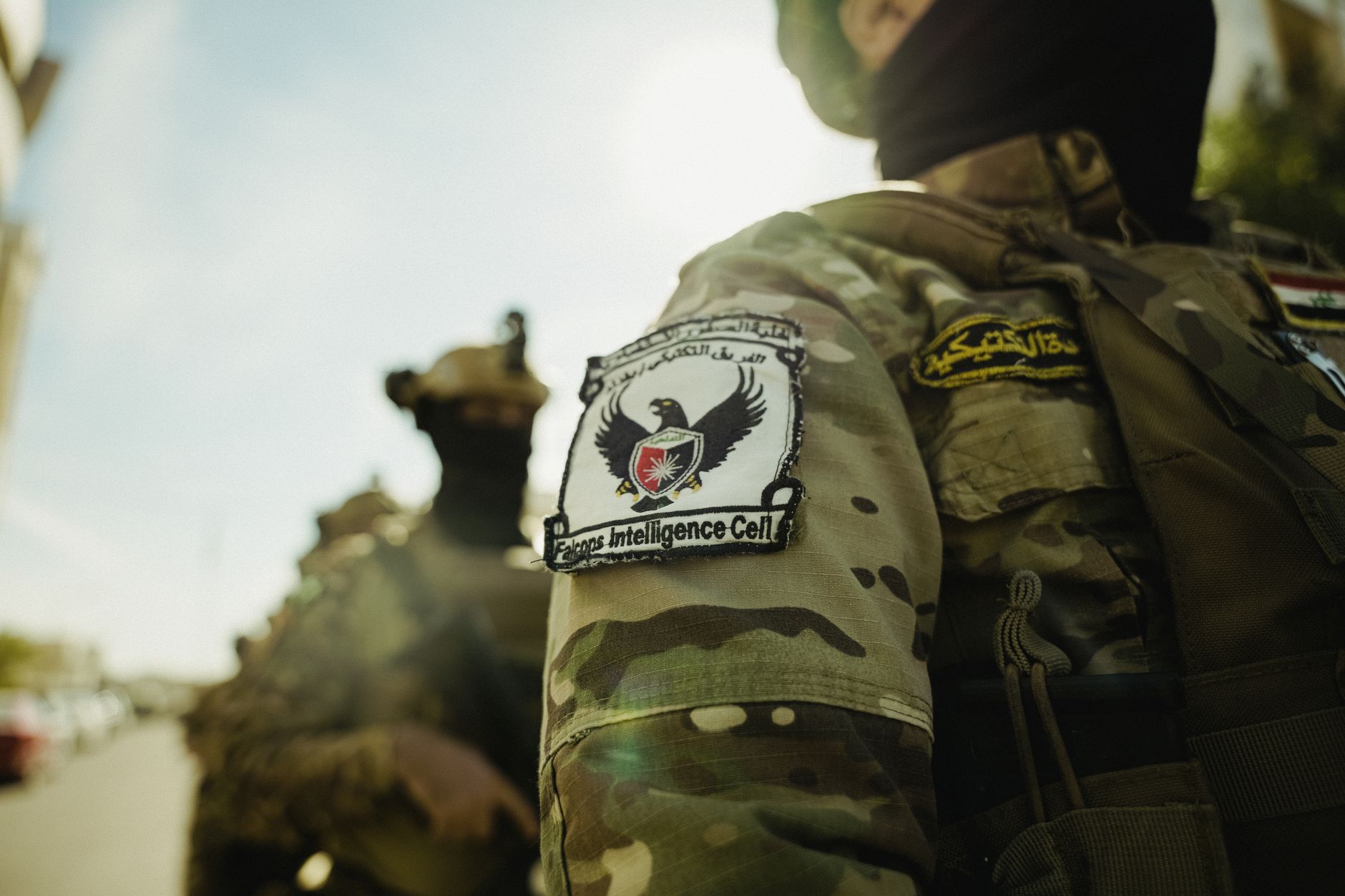
IDF Chief of Staff warns that destroying enemy assets does not guarantee long-term safety. A new strategy is needed beyond battlefield victories.
On July 4, 2026, IDF Chief of Staff Lt.-Gen. Eyal Zamir visited troops in southern Lebanon, a region that has seen repeated military campaigns. The visit underscored a stark reality: while Israel's military can destroy launchers, command centers, and weapons stockpiles, these tactical wins do not automatically translate into a durable security environment. As the nation continues to face threats from multiple fronts, the question of what comes after military victory has become increasingly urgent.
The Limits of Military Power
Israel's armed forces have demonstrated remarkable capability in degrading enemy infrastructure. Yet, as the chief of staff's remarks in southern Lebanon suggest, the ability to strike targets does not equate to the ability to secure peace. Each campaign may eliminate immediate threats, but without a corresponding political and diplomatic framework, the underlying conditions that give rise to conflict persist. The experience of previous operations in Lebanon and Gaza shows that military gains can be ephemeral if not accompanied by sustainable arrangements. Deterrence, while effective in the short term, often erodes as adversaries adapt and rebuild.
Looking Beyond the Battlefield
Security experts argue that Israel must integrate military action with robust diplomatic efforts, economic incentives, and regional cooperation. The battle against Hezbollah and Hamas is not solely fought with precision munitions; it also requires addressing the grievances and aspirations that fuel these groups. A purely military approach risks cycles of escalation that leave Israel no safer in the long run. The IDF's emphasis on 'victory' may need to be redefined to include post-conflict stabilization and political normalization. Israeli policymakers are increasingly aware that winning wars is only half the challenge; winning the peace demands a different set of tools.
Historical Lessons and Unfinished Business
Past conflicts offer cautionary tales. The 2006 Lebanon War, while crippling Hezbollah's infrastructure, did not prevent the group from later rearming and entrenching itself. Similarly, repeated operations in Gaza have failed to halt rocket attacks or address the underlying blockade dynamics. These episodes highlight that military supremacy, while necessary, is insufficient without a comprehensive strategy that includes local governance, humanitarian aid, and credible deterrence backed by diplomacy. The current situation in southern Lebanon, where IDF forces remain deployed alongside UNIFIL, exemplifies the complex interplay of military presence and political stalemate.
Regional Dynamics and the Path Forward
The broader regional context further complicates Israel's security calculus. Iran's influence, the Palestinian question, and the fragile state of Lebanese governance all play a role. Israel's security cannot be achieved in isolation; it requires constructive engagement with neighbors and the international community. The Abraham Accords demonstrated that normalization can enhance security, but they have not replaced the need for direct conflict resolution. The IDF's presence in Lebanon, even in a limited capacity, must be part of a larger strategy that includes Hezbollah's disarmament and the strengthening of the Lebanese state. International pressure and diplomatic initiatives, such as UN Security Council Resolution 1701, remain underutilized tools.
Looking ahead, Israel faces a choice: continue to rely on military dominance as the primary tool of statecraft or pursue a more holistic approach that addresses root causes. The latter is fraught with risks and compromises, but the former alone has proven insufficient. As Lt.-Gen. Zamir's meeting with soldiers highlights, the men and women on the front lines deserve a vision that goes beyond the next battle. For Israel to secure its survival and prosperity, winning the war must become the first step, not the final objective. The coming months will test whether Israeli leadership can translate battlefield successes into lasting peace.