Wildfire Smoke Chokes Northeast Air Quality

Smoke from hundreds of wildfires in Canada and Minnesota degrades air quality in the Northeast, prompting health warnings. Severe weather and flash flood risks loom over the Midwest.
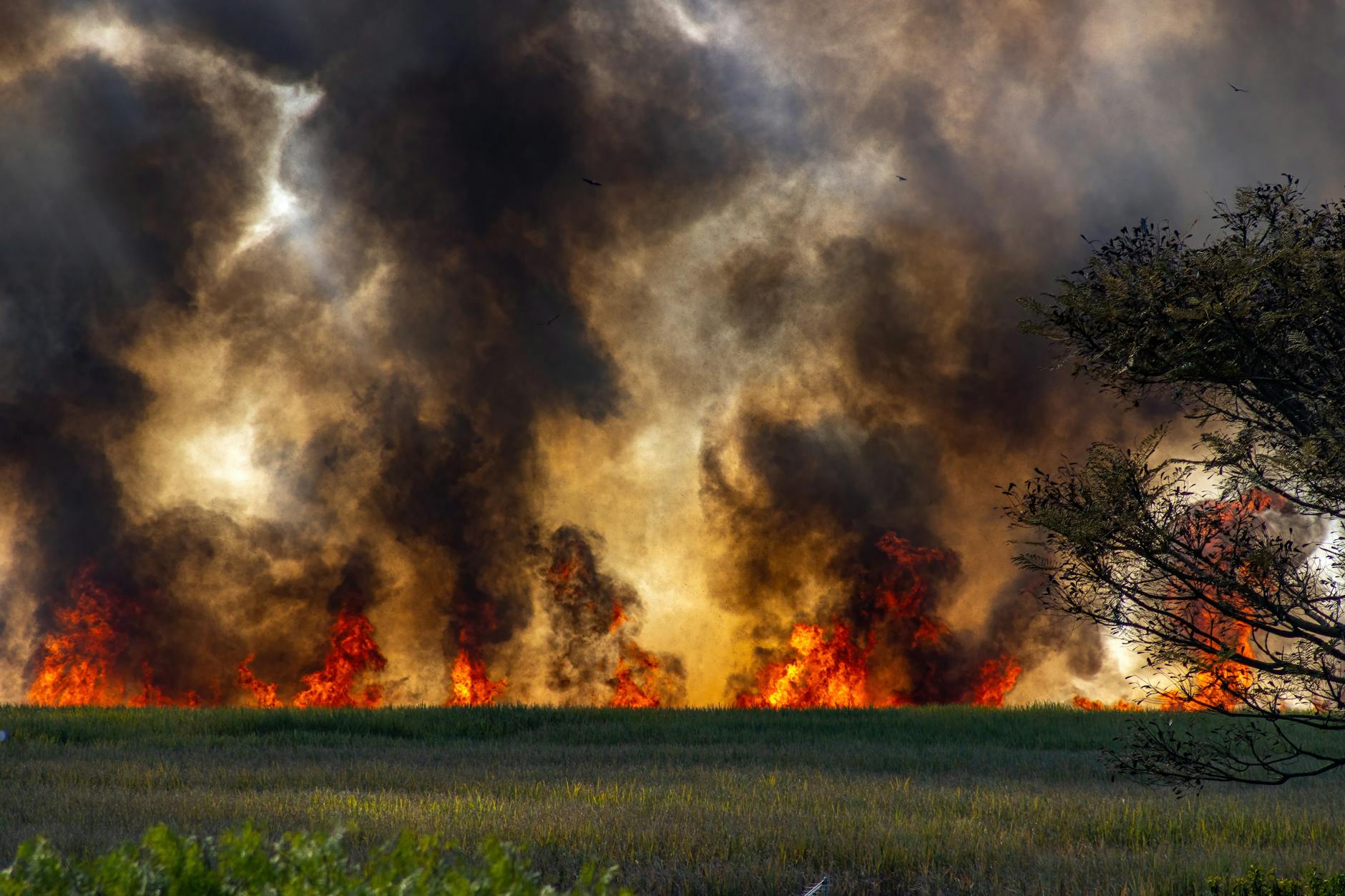
Smoke from hundreds of wildfires burning across Canada and Minnesota has swept into the northeastern United States, sending air quality indices plummeting into hazardous territory. From New York City to Boston, residents are waking to hazy skies and the acrid smell of burning wood, as health officials urge people to limit outdoor activities. The smoke, carried by northerly winds, is the result of an intense fire season that shows no signs of abating.
The Wildfire Crisis Expands
The fires are concentrated in the Canadian provinces of Quebec and Ontario, as well as the state of Minnesota. In Canada, more than 500 wildfires are currently burning, many of them out of control, according to authorities. Minnesota is battling its own blazes, exacerbated by drought conditions and record-breaking heat. The combination of dry vegetation, low humidity, and strong winds has created a perfect storm for fire spread. Firefighting crews are stretched thin, with some international assistance being mobilized.
This is not the first time the Northeast has been affected by distant wildfires. In 2023, smoke from Canadian fires caused similar air quality crises in major cities. The recurrence underscores a troubling trend: as the climate warms, wildfires are becoming more frequent and intense, and their impacts are reaching far beyond the burn zones.
Air Quality Emergency
Air quality monitors across the Northeast are registering PM2.5 concentrations that are five to ten times higher than normal. The Environmental Protection Agency’s Air Quality Index has reached code red or even purple in some areas, indicating very unhealthy to hazardous conditions. Health experts warn that fine particles can penetrate deep into the lungs and enter the bloodstream, causing short-term irritation and long-term cardiovascular harm. Hospitals are reporting increased visits for asthma attacks, chest pain, and difficulty breathing.
Health Warnings and Precautions
State and local authorities have issued health advisories. Residents are advised to stay indoors with doors and windows closed. If air conditioning is used, it should be set to recirculate to avoid drawing in outside air. N95 masks are recommended for anyone who must go outdoors. Children, the elderly, pregnant women, and individuals with heart or lung disease should take extra care. Schools have canceled outdoor recess and athletic events, and some businesses are allowing employees to work from home.
Severe Weather Threatens the Midwest
Meteorologist Andrew Kozak reports that the weather pattern responsible for funneling smoke into the Northeast is also spawning severe storms in the Midwest. A cold front moving east will interact with warm, moist air, triggering thunderstorms capable of producing large hail, damaging winds, and tornadoes. In addition, heavy rain could lead to flash flooding in low-lying areas and urban centers. The Storm Prediction Center has issued a slight risk of severe weather for parts of the region.
Looking Forward
Forecast models suggest that the smoke may begin to clear late in the week as a cold front pushes through the Northeast, but until then, air quality will remain poor. Meanwhile, the fire danger in Canada and Minnesota persists, with hot and dry conditions expected to continue. This event serves as a stark reminder of the interconnectedness of weather and climate, and the need for communities to adapt to a future with more frequent wildfire smoke events. Public health officials are calling for improved air filtration in schools and public buildings, as well as better early warning systems.