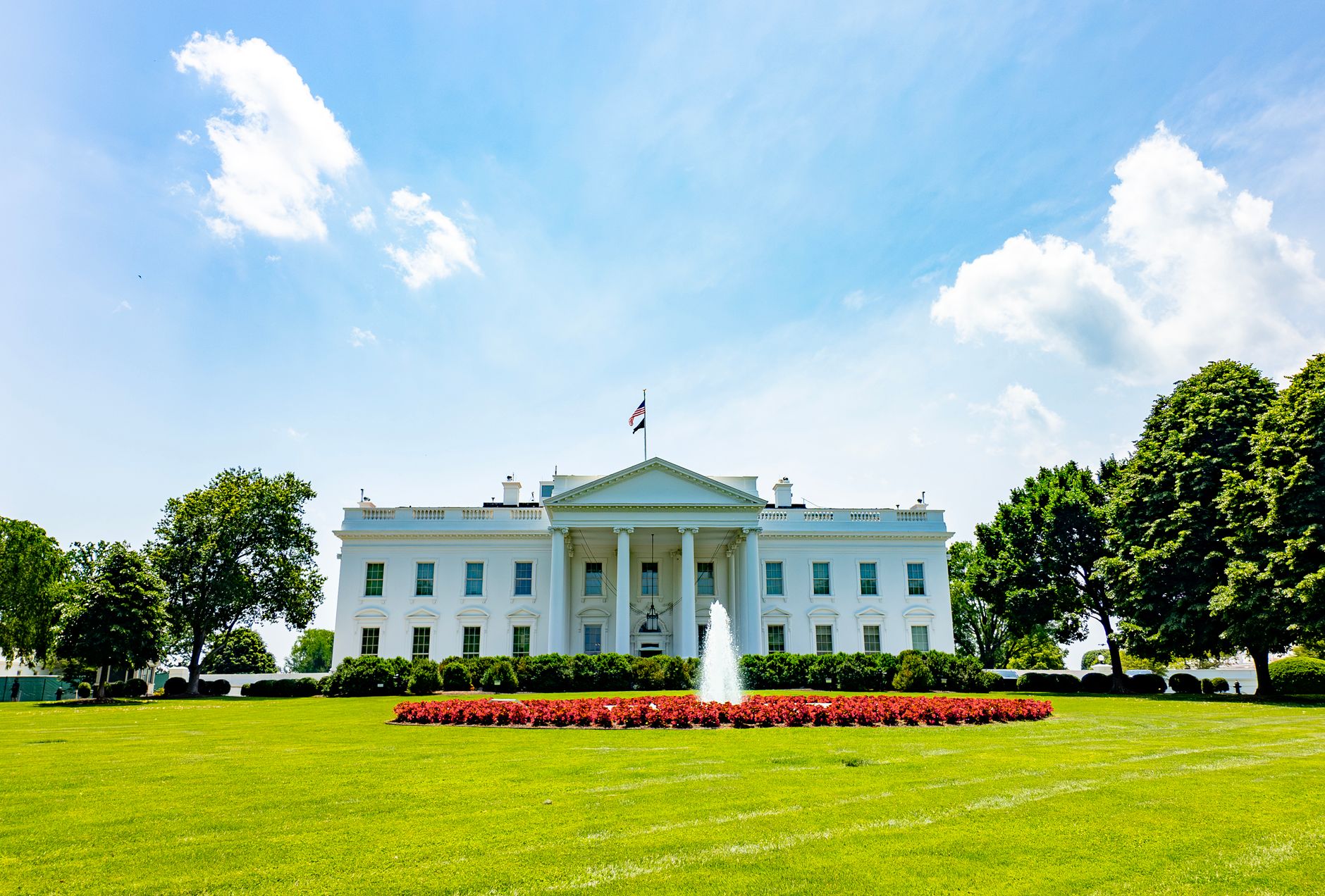
Why new US tariffs threaten Trump government’s credibility in Asean
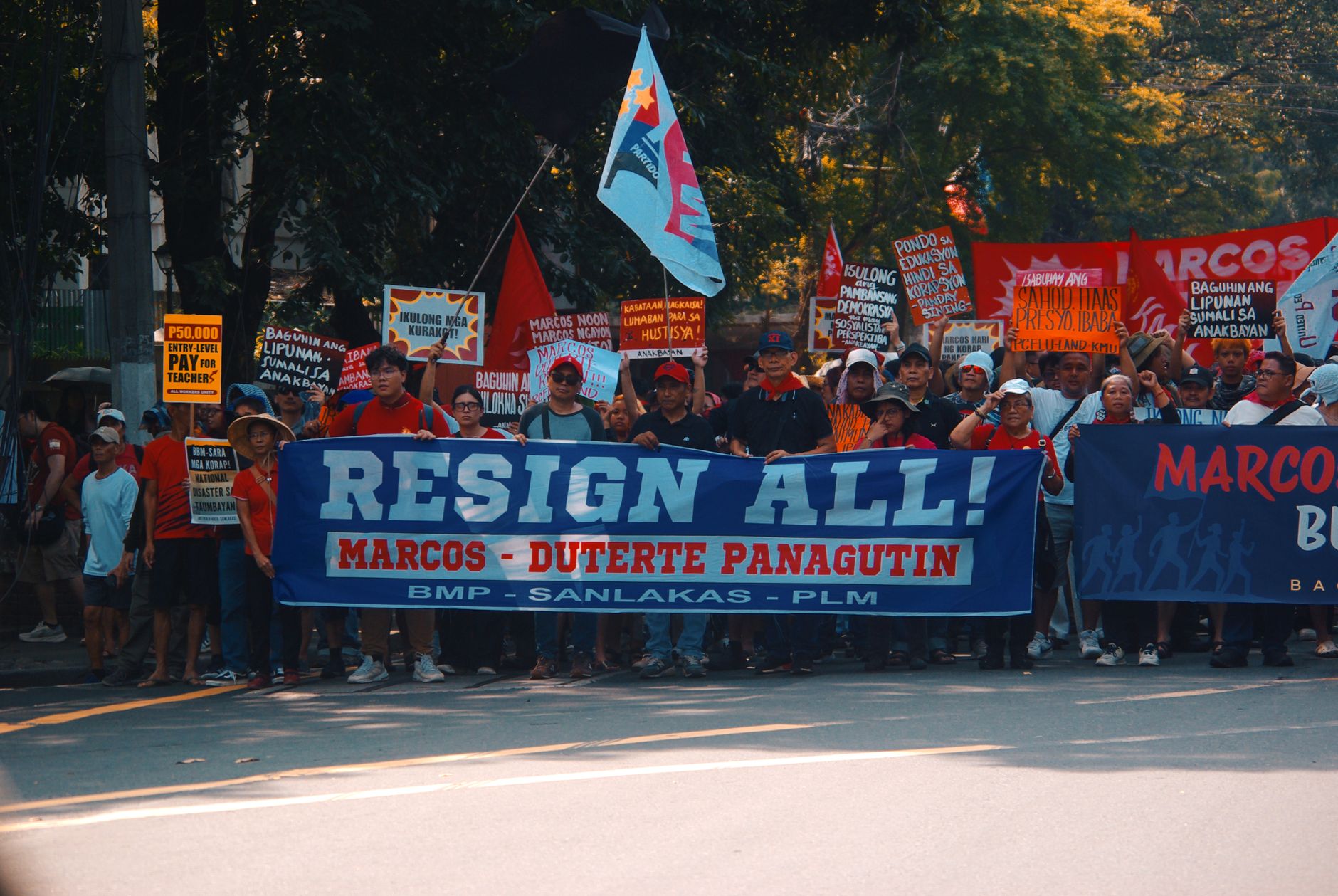
A day after Rubio's '100%' pledge, US tariffs on seven Asean nations reinforce perceptions of Washington as unreliable.
Just one day after US Secretary of State Marco Rubio told Southeast Asian foreign ministers that Washington was “with Asean 100 per cent”, a new wave of American tariffs hit seven member states, deepening regional doubts about the reliability of the United States as a partner. The duties, ranging from 10 to 12.5 per cent, were imposed on 60 economies worldwide, with the Philippines, Singapore, Thailand, and Vietnam facing the steepest levies among the Association of Southeast Asian Nations. Malaysia, Indonesia, and Cambodia received comparatively lower tariffs, reflecting what US officials described as greater efforts by those countries to strengthen enforcement against forced labor.
The Contradiction Between Diplomacy and Trade Policy
Analysts say the timing of the tariffs—announced the day after Rubio’s unequivocal statement of support at the Asean Foreign Ministers Meeting in Manila—exposes a fundamental disconnect between US diplomatic overtures and its trade enforcement actions. “It reinforces the narrative that the US is an unreliable partner,” said a regional trade analyst who spoke on condition of anonymity. “You cannot tell Asean you are 100 per cent with them and then slap tariffs on their exports the next day.” Rubio’s remark, made alongside Chinese Foreign Minister Wang Yi, was intended to reassure Southeast Asian nations amid intensifying US-China competition. Instead, the tariff announcement has left many officials in the region questioning the credibility of Washington’s commitments.

Tariff Justifications and Regional Impact
The US Trade Representative, Jamieson Greer, said the additional duties were intended to “correct what is both a human rights abuse and distortive trade practice”, citing forced labor findings from recent investigations. However, the decision to apply the highest rates to countries like the Philippines and Vietnam—both of which have been active in regional security and trade partnerships with the US—has puzzled observers. On Friday, US Ambassador to Asean Kevin Kim told reporters that Washington “is pursuing fair and reciprocal trade” but declined to provide technical details, deferring to Greer. The tariffs are the latest in a series of unilateral trade measures that have frustrated Asean members, who value multilateralism and predictability in trade relations.
Implications for US-Asean Relations
The credibility gap threatens to undermine broader US strategic goals in the region. Asean countries have increasingly sought to balance their relationships with the US and China, and moves perceived as coercive or hypocritical by Washington may push them closer to Beijing. Chinese Foreign Minister Wang Yi’s presence at the same meeting underscored the competition, with China offering infrastructure investments and tariff-free trade deals. While the US remains a crucial security partner, economic tensions could weaken its influence. “Actions speak louder than words,” one Southeast Asian diplomat noted, requesting anonymity due to the sensitivity of the issue. “If the US wants to be seen as a reliable partner, it must align its trade policy with its diplomatic rhetoric.”
Looking ahead, the tariffs may prompt Asean members to accelerate their own regional trade initiatives, such as the Regional Comprehensive Economic Partnership, and further diversify their export markets. The US, for its part, faces the challenge of rebuilding trust—a task made harder by the apparent disconnect between its top diplomat’s assurances and its trade enforcer’s actions. Without a coherent strategy that reconciles these conflicting signals, Washington risks losing the credibility it needs to compete effectively in one of the world’s most dynamic regions.