Telegram founder Durov lands on Russia's wanted list
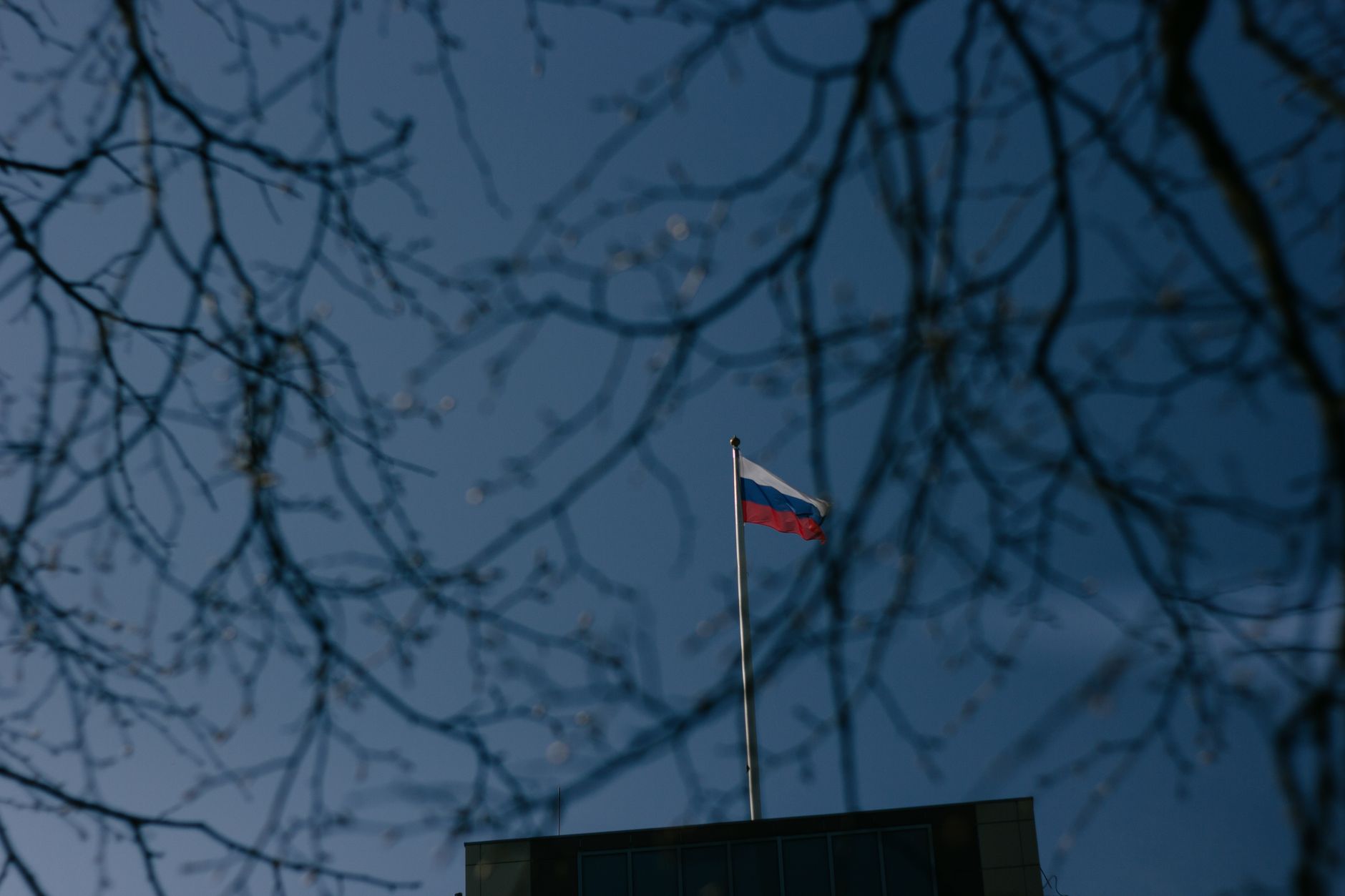
Russia placed Telegram founder Pavel Durov on its wanted list after the FSB accused the platform of allowing Ukrainian intelligence and terrorist groups to coordinate attacks.
Pavel Durov, the billionaire founder of the encrypted messaging app Telegram, has been placed on Russia's international wanted list, the country's interior ministry confirmed this week. The move follows an official complaint from the Federal Security Service (FSB), which accused Telegram of failing to remove content used by Ukrainian intelligence agencies and terrorist organizations to plan sabotage, mass murder, and cyber fraud inside Russia. Durov, who left Russia in 2014 and now holds French, Emirati, and Saint Kitts and Nevis citizenships, has long been a contentious figure for the Kremlin due to his refusal to comply with demands for user data.
What prompted the wanted notice?
The FSB statement alleged that Telegram had not taken down “numerous channels, chats, and bots” that were being exploited by “Ukrainian intelligence agencies and terrorist and extremist organisations.” According to the security service, these channels were used to coordinate acts of sabotage and terrorism, mass murder, and cyber fraud targeting Russian citizens and infrastructure. The international wanted notice, which was issued through Interpol channels, effectively asks foreign governments to detain Durov if he enters their territory. However, given that Durov resides primarily in Dubai and travels across Europe, the practical impact remains uncertain.
Durov's long-running feud with Russian authorities
The conflict between Durov and the Russian state is not new. In 2014, Durov sold his stake in VKontakte, Russia's largest social network, after clashing with Kremlin-linked investors over censorship and data privacy. He subsequently founded Telegram, which quickly became a popular communication tool in Russia and Ukraine. In 2018, Russia attempted to block Telegram after Durov refused to hand over encryption keys to the FSB, a ban that proved largely ineffective and was officially lifted two years later. Durov has consistently framed his resistance as a defense of users' privacy rights, while the Russian government has portrayed him as enabling lawlessness.
What does this mean for Telegram's operations?
Telegram, which boasts over 900 million monthly active users worldwide, has not publicly commented on the wanted notice. The company typically emphasizes its commitment to free speech and its policy of not complying with government requests deemed illegitimate. However, the escalating legal pressure from Moscow could complicate Durov's ability to travel—especially to countries that have extradition agreements with Russia. In practice, most governments treat Interpol red notices as non-binding, and Durov retains strong protections due to his multiple citizenships. Still, the notice signals a hardening of the Kremlin's stance toward tech platforms that refuse to bend to its demands.
Broader implications for digital rights and security
The case highlights the ongoing tension between state security concerns and privacy advocates. While the FSB's allegations are serious, critics argue that Russia is using counterterrorism claims to silence legitimate dissent and crack down on platforms that empower independent voices. Telegram has been a vital tool for both activists and military units in Ukraine, where it is used to coordinate defense efforts and share battlefield information. Russia's move may also influence other authoritarian governments seeking to pressure messaging apps into surrendering user data. As the war in Ukraine continues, the fate of Pavel Durov could become a symbol of the broader struggle over internet freedoms.
What happens next?
Durov has not indicated any intention to change Telegram's policies in response to the wanted notice. The company is likely to continue operating as usual, absorbing the legal risk. However, the Interpol alert may encourage extradition bids from other countries aligned with Russia. For now, the situation remains in a legal gray area, with no immediate threat to Durov's freedom. The development serves as a reminder that even the world's most secure messaging platforms are not immune to the geopolitical forces shaping the digital landscape.