Fauci pleads Fifth at Senate hearing on COVID origins
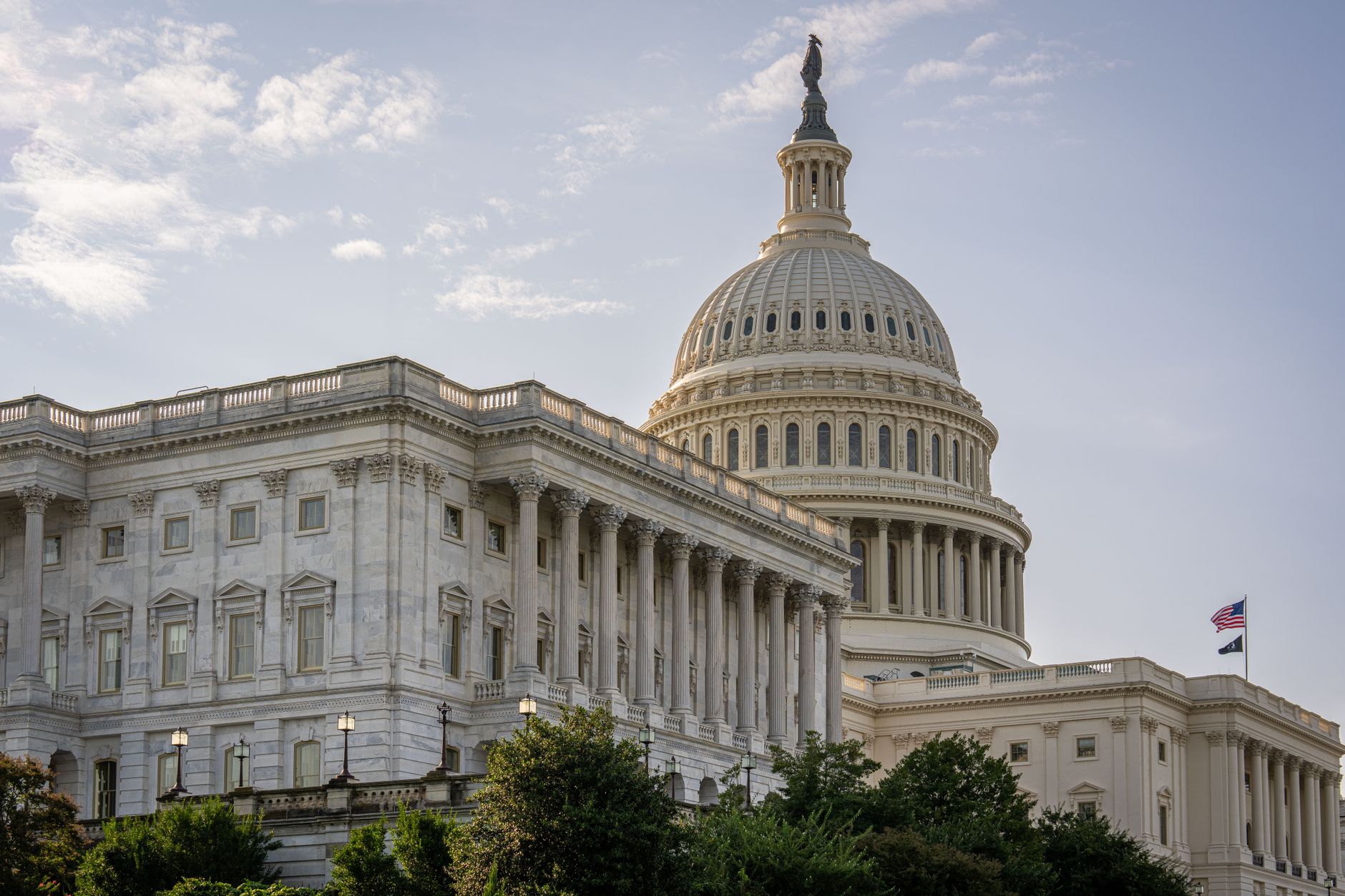
Dr. Anthony Fauci invoked his Fifth Amendment right over 100 times during a heated Senate hearing led by Republican Senator Rand Paul, raising questions about accountability and legal exposure.
Dr. Anthony Fauci, the former director of the National Institute of Allergy and Infectious Diseases, repeatedly invoked his Fifth Amendment right against self-incrimination during a Senate hearing on Wednesday, declining to answer more than 100 questions about the origins of COVID-19 and his role in the pandemic response. The hearing, convened by the Senate Homeland Security and Governmental Affairs Committee and led by Republican Senator Rand Paul of Kentucky, marked the latest chapter in a long-running political battle over the pandemic's origins and Fauci's conduct.
Context of the hearing
The hearing focused on several issues, including whether US-funded research in China contributed to the pandemic, Fauci's handling of pandemic policies, and his interactions with the media and senior officials. Rand Paul has accused Fauci of misleading Congress and has long sought to hold him accountable for the pandemic's toll. Fauci, who served as chief medical adviser to former President Joe Biden until his retirement in 2022, was subpoenaed to testify after keeping more than 1,000 pages of diary entries documenting his work during the pandemic. The notes, which chronicle his calls with top virologists and officials, became a point of contention as Republicans sought to scrutinize his decision-making.

Fauci's legal strategy
Despite receiving a preemptive pardon from Biden in 2025 that protects him from prosecution for actions before January of that year, Fauci invoked the Fifth Amendment on the advice of his lawyers. They argued that any statements made under oath could expose him to new legal risks, particularly perjury charges if Republicans claim he lied during the hearing. During the three-hour session, Fauci gave only a brief opening statement before repeatedly declining to answer questions. He accused Senator Paul of having an “obsession” with prosecuting him, suggesting the hearing was less about oversight and more about building a criminal case. The Fifth Amendment, a constitutional right, protects individuals from being compelled to testify against themselves, and invoking it does not imply guilt. However, Republicans countered that the pardon does not cover perjury committed after it was issued, leaving Fauci vulnerable to charges for any false statements made under oath.
Key moments
The hearing included several tense exchanges. Paul asked rhetorically whether Fauci's actions led to what he called “the largest man-made plague in history.” Fauci’s lawyers advised him to remain silent, leading to a pattern where Paul posed a question, Fauci invoked the Fifth, and the exchange moved on. This dynamic frustrated committee members seeking clarity on Fauci's role in pandemic policies, such as mask recommendations and vaccine mandates, which became flashpoints for conservative criticism.
The pandemic origin debate
The question of how COVID-19 began remains divisive. Most scientists believe the virus likely originated from a natural zoonotic spillover, possibly at a wildlife market in Wuhan, China. Fauci has consistently supported the natural origin theory while remaining open to other possibilities. His diary notes reveal that during a January 2020 call with top virologists and evolutionary biologists, only two were convinced of a natural origin, while the rest debated whether the virus could have been engineered. Today, the scientific consensus leans toward natural origins, but the US intelligence community remains divided. The FBI concluded in 2023 that a laboratory-related incident was the most likely origin, and the CIA reached a similar conclusion in 2025, albeit with low confidence. Republicans, including Paul, have seized on these intelligence assessments to argue that Fauci and US-funded research in China may have played a role—a claim Fauci denies.

Implications and next steps
Fauci's invocation of the Fifth Amendment has added a new layer of complexity to the ongoing political and legal battles over the pandemic. The hearing underscores the deep partisan divide over how to assess responsibility for the COVID-19 crisis, which has claimed millions of lives worldwide. With the Biden pardon shielding Fauci from prior actions, the focus now shifts to whether any statements he made during the hearing or other proceedings could lead to perjury charges. The outcome of this hearing may set a precedent for how former officials with pardons are treated in congressional investigations. As the 2026 midterm elections approach, the issue is likely to remain a rallying cry for Republicans, while Democrats may frame the hearing as a politically motivated pursuit of a respected public servant. For now, Fauci's silence has left many questions unanswered, and the search for the pandemic's origins continues.