White House teleprompter operator probed over $100K in Trump speech bets
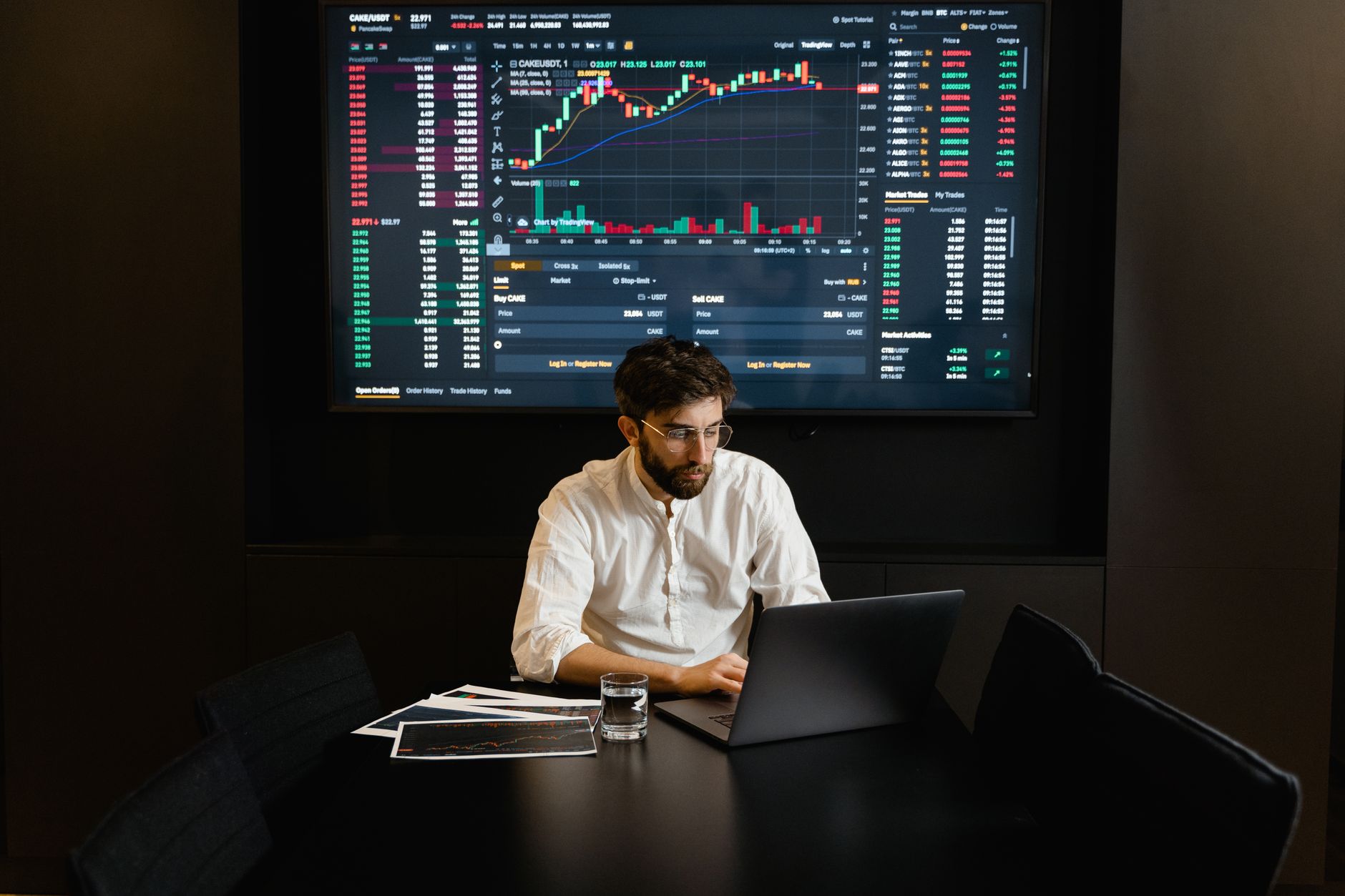
Federal regulators are investigating Gabriel Perez, a White House teleprompter operator, for allegedly using his knowledge of Trump's prepared remarks to profit more than $100,000 on Kalshi prediction markets.
The Commodity Futures Trading Commission is investigating Gabriel Perez, a White House teleprompter operator, for allegedly making more than $100,000 by betting on President Trump's upcoming speech content using the prediction market Kalshi, according to two sources familiar with the probe. The trades are said to have included wagers tied to the State of the Union address delivered in February, raising questions about insider trading in the fast-growing world of event contracts.
The Allegations and CFTC Investigation
Perez, who operates the teleprompter for Trump's public appearances, is accused of using his advance knowledge of the president's prepared remarks to place bets on Kalshi's "mention markets" — contracts that pay out if a specific word or phrase is spoken during a speech. The sources, who were not authorized to speak publicly, said Perez's winning trades exceeded $100,000 and that he has been cooperating with the investigation.
The CFTC has discussed potential settlement terms with Perez, which could require him to surrender the profits from the trades, sources told ABC News, which first reported the investigation. Federal prosecutors in Manhattan declined to open a criminal case, according to ABC.
How Prediction Markets Raise Insider Trading Concerns
Prediction markets like Kalshi allow users to trade on outcomes of events, from election results to specific phrases in speeches. The rise of these platforms has sparked debate over whether they are vulnerable to insider trading, since traders with nonpublic information can profit from knowledge that would be illegal to exploit in traditional securities markets. The CFTC oversees Kalshi as a designated contract market, and the agency has warned that it is watching for abuses.
This case highlights the tension between innovation and regulation. While Kalshi and regulators say they are well positioned to combat insider trading, critics argue that prediction markets lack the safeguards of traditional exchanges. The investigation into Perez is one of the highest-profile examples of alleged insider trading on a political prediction platform.
Kalshi's Role and Account Freeze
Kalshi's surveillance team flagged Perez's suspicious trading activity and promptly referred the matter to the CFTC, said Robert DeNault, the company's head of enforcement, in a statement. "We provided evidence we collected, as we do in any referral," DeNault added. Kalshi froze Perez's account after flagging the alleged bets, preventing him from withdrawing the bulk of his winnings, according to sources.
The company did not identify Perez publicly, but its swift action reflects the pressure on prediction markets to demonstrate robust compliance and deter misconduct. Kalshi has previously touted its real-time monitoring systems as a key safeguard against manipulation.
White House Response and Next Steps
The White House said it is aware of the investigation and has strict ethics rules for all staff. "The staffer in question is fully cooperating with the CFTC," White House spokesperson Davis Ingle told ABC News. Efforts to reach Perez for comment through the White House were unsuccessful. The CFTC declined to confirm or deny the investigation, as is standard policy.
Looking ahead, the case could set a precedent for how insider trading laws apply to prediction markets. While the CFTC is pursuing a civil settlement that may only involve disgorgement of profits, the lack of criminal charges suggests prosecutors saw insufficient evidence for a criminal violation. Still, the investigation is likely to spur renewed calls for clearer rules and stronger enforcement in the burgeoning prediction market industry.