White House: Moonshot AI Stole Anthropic Tech for K3

The White House has accused Chinese AI firm Moonshot AI of covertly distilling technology from Anthropic to build its K3 model, warning of sanctions and export restrictions.
The White House has formally accused Chinese artificial intelligence company Moonshot AI of engaging in industrial-scale technology distillation, alleging that the firm systematically extracted proprietary intellectual property from US-based Anthropic to develop its K3 model. In a statement, US officials warned that such covert activities could trigger sanctions and export restrictions, escalating the already tense tech rivalry between Washington and Beijing.
What Is AI Distillation?
AI distillation is a technique where a smaller, more efficient model is trained to replicate the behavior of a larger, more powerful model. While the method itself is common in machine learning research, the White House alleges that Moonshot AI used it without authorization, effectively stealing the underlying technology developed by Anthropic, a leading AI safety company. Officials described the practice as 'industrial-scale' and conducted in secret, suggesting a coordinated effort to bypass US intellectual property protections.
The K3 Model Controversy
Moonshot AI's K3 model, which powers various applications in natural language processing and automation, is at the center of the accusation. US intelligence agencies reportedly traced the model's architecture and capabilities back to Anthropic's proprietary systems. The White House has not released detailed evidence, but the warning signals that Washington is prepared to take punitive action if such theft continues unchecked.
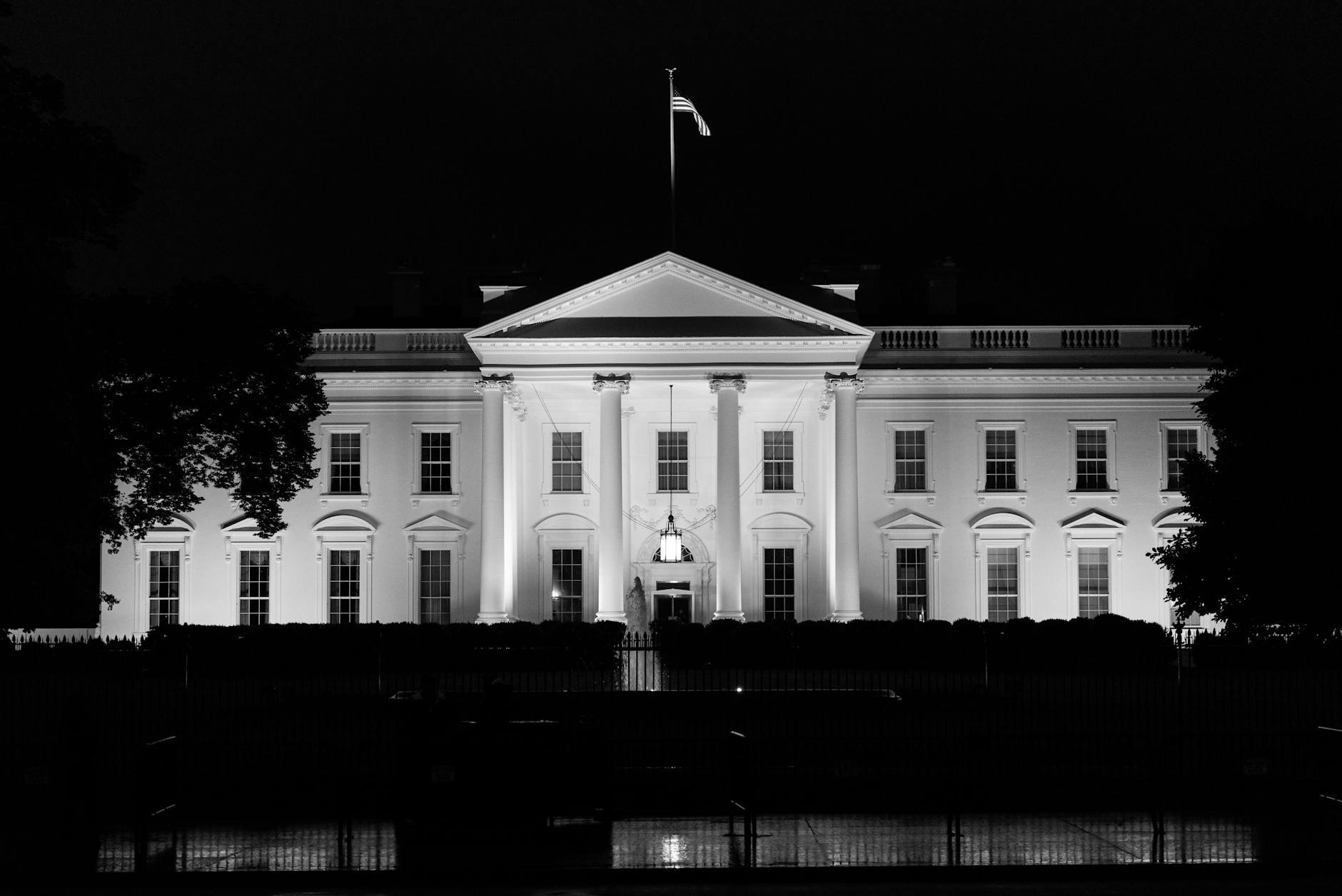
Sanctions and Export Restrictions: A New Deterrent
The threat of sanctions and export controls is a powerful tool in the US tech competition with China. Already, the Biden administration has restricted the sale of advanced AI chips to Chinese firms. Adding AI distillation to the list of prohibited activities could further limit Chinese access to cutting-edge technology. Analysts suggest that this move could widen the gap between US and Chinese AI capabilities, though it may also accelerate China's push for self-sufficiency.
Broader Implications for US-China Tech Relations
This accusation comes amid a broader clampdown on technology transfer and industrial espionage. The case of Moonshot AI and Anthropic highlights the challenges of protecting proprietary AI models in an era where distillation can be performed remotely and at scale. The White House's warning may deter some firms but could also lead to retaliatory measures from China, affecting global supply chains and research collaboration.
Looking ahead, the US is expected to push for international agreements on AI intellectual property rights, similar to those in other high-tech sectors. For now, Moonshot AI has not publicly responded, but the company's future—and that of its K3 model—hangs in the balance as the two countries brace for a new phase of technological confrontation.