Greece wildfire crisis: evacuations near Athens as winds fan flames
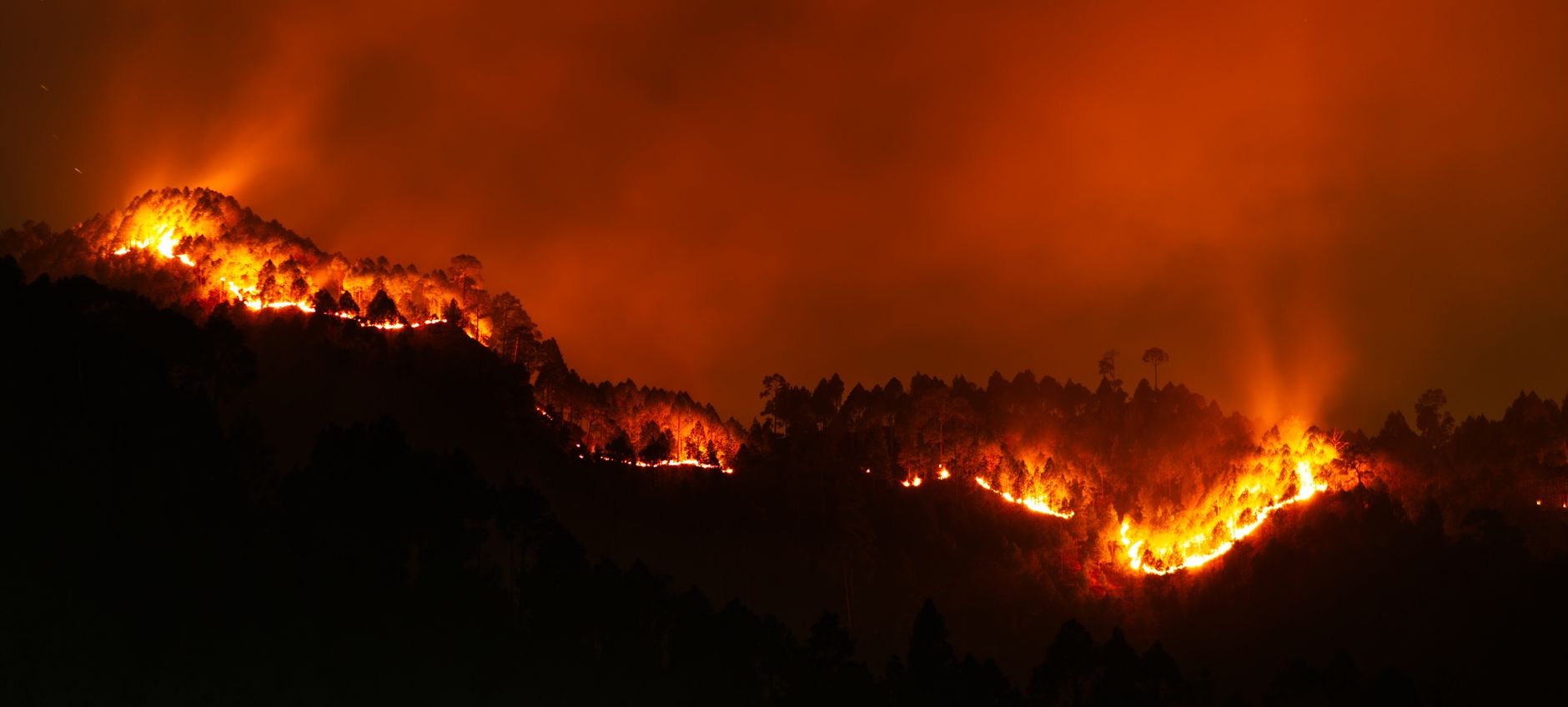
Gale-force winds pushed wildfires deeper into western Attica, forcing new evacuations near Athens. Meanwhile, France and Spain saw their blazes stabilise, but the risk of flare-ups remains high.
Gale-force winds drove wildfires deeper into western Attica on Sunday, forcing fresh evacuations from villages near Athens and making Greece the epicentre of Europe's escalating wildfire crisis. The new evacuations came as crews in France and Spain finally saw major blazes stabilize, though officials warned that the danger was far from over.
Greek fires intensify despite massive response
Greek authorities ordered three more communities evacuated—Kandili, Agia Skepi and Toutouli—as flames climbed the Geraneia mountains and threatened an industrial district outside Megara. Nearly 500 firefighters and 23 aircraft were deployed, but the same gale-force winds that fanned the fire also frustrated aircraft trying to scoop water from the sea. Smoke billowed over the mountains while authorities kept a close eye on Porto Germeno, a seaside community along the Gulf of Corinth where the fire first began on Friday near Agios Vasileios.
In the previous two days, firefighters had rescued 254 people by sea from Agios Vasileios and 12 more from Porto Germeno, a last-resort route when smoke and flames cut off road access. Wildfire meteorologist Theodore Giannaros estimated that the blaze had already scorched between 40 and 50 square kilometres, although official figures had not yet been released. The Greek prime minister, Kyriakos Mitsotakis, was briefed on the unfolding operation.

France and Spain: a fragile reprieve
France's largest wildfire of the summer remained contained after forcing the evacuation of 224,000 people, possibly the biggest peacetime evacuation in the country's history. Yet the fire was still burning across 420 square kilometres of scorched forest, and nearly 3,000 firefighters remained deployed against the Gironde megafire and a second, separate blaze in Provence. The Provence fire had stopped advancing but was still uncontained.
In Spain, major fires finally halted their progress, offering some relief after weeks of destruction. Together, the fires in France and Spain have displaced roughly a third of a million people, emptied summer communities and stretched aircraft, emergency services and fire crews to their limits.
A continent warming faster than anywhere else
The crisis is unfolding on a continent that is heating up faster than any other in the world. Europe has warmed at more than twice the global average since the 1980s, according to the EU's Copernicus Climate Change Service. Higher temperatures and prolonged drought leave forests and scrubland drier and more combustible, allowing fires to spread faster and burn with greater intensity. Scientists from World Weather Attribution calculated in a rapid analysis last Thursday that human-caused climate breakdown had doubled the likelihood of the extreme fire conditions that fuelled the French blazes.
What comes next
As the fires on Europe's southern front entered a new phase, officials stressed that the risk of flare-ups remained high. In Greece, the winds were expected to continue complicating firefighting efforts, and residents in threatened areas were urged to remain vigilant. In France, thousands of evacuees were still unable to return home, and the massive burned area remained a fresh source of danger. The simultaneous crises have exposed how ill-prepared even wealthy nations can be for a climate-induced emergency, and how essential it is to invest in better prevention, detection and response systems. With the worst of the summer still ahead, the region faces a long and volatile season.