Trump warns U.S. will destroy Iranian infrastructure for each Strait attack

President Trump vowed to retaliate against Iran's Strait of Hormuz attacks by destroying bridges or power plants, as Rubio warns of a dangerous precedent and Jordan intercepts missiles.
President Donald Trump has issued a stark warning to Iran, declaring that the United States will destroy a bridge or a power plant for every attack on the Strait of Hormuz, escalating rhetoric around the vital oil shipping lane. The threat comes amid heightened tensions after Iranian-linked attacks and demands that U.S. officials say could destabilize the region further.
Trump's ultimatum
Speaking to reporters, Trump stated that any Iranian aggression in the Strait of Hormuz would be met with immediate and disproportionate retaliation. 'For each attack, we will take out a bridge or a power plant,' he said, framing the response as a deterrent to protect global energy flows. The Strait, a narrow waterway between Iran and Oman, handles about 20% of the world's oil transit, making it a critical chokepoint for international markets.
The president's remarks followed a series of incidents in the region, including reported strikes on commercial vessels and military posturing by Iran's Islamic Revolutionary Guard Corps. While Trump did not specify which Iranian assets would be targeted, his language signaled a shift toward infrastructure strikes, rather than direct military engagement.

Rubio warns of dangerous precedent
Senator Marco Rubio, speaking on the same issue, cautioned that Iran's demands regarding the Strait of Hormuz could set a dangerous precedent for international maritime law. 'If Iran is allowed to dictate terms in one of the world's most critical waterways, it empowers other nations to make similar claims,' Rubio said. He argued that Tehran's attempts to leverage the Strait for political concessions threaten the principle of freedom of navigation, which underpins global trade.
Rubio's comments align with broader U.S. concerns that Iran seeks to weaponize the Strait, either by threatening to close it or by extracting tolls from passing ships. Such moves, he warned, could trigger a cascade of regional instability and embolden other states with control over strategic chokepoints.
Jordan intercepts four missiles
In a related development, Jordan's military announced it had intercepted four missiles during a recent Iranian attack, underscoring the conflict's expanding geographical scope. The intercepts, carried out by Jordanian air defense systems, prevented the missiles from reaching their intended targets, though details on the targets remain unclear. The incident marks a rare involvement of Jordan, a U.S. ally, in direct defense against Iranian projectile attacks.
Analysts note that the missile interceptions indicate Iran's willingness to strike beyond its immediate neighbors, potentially drawing more regional powers into the fray. Jordan's role as a buffer state may now be tested as the conflict threatens to spill across borders.
The combination of Trump's infrastructure threat, Rubio's diplomatic warning, and Jordan's military response paints a picture of a rapidly escalating crisis. The Strait of Hormuz, already a flashpoint, is now at the center of a confrontation that could have far-reaching consequences for global oil supplies and regional security.
Implications and next steps
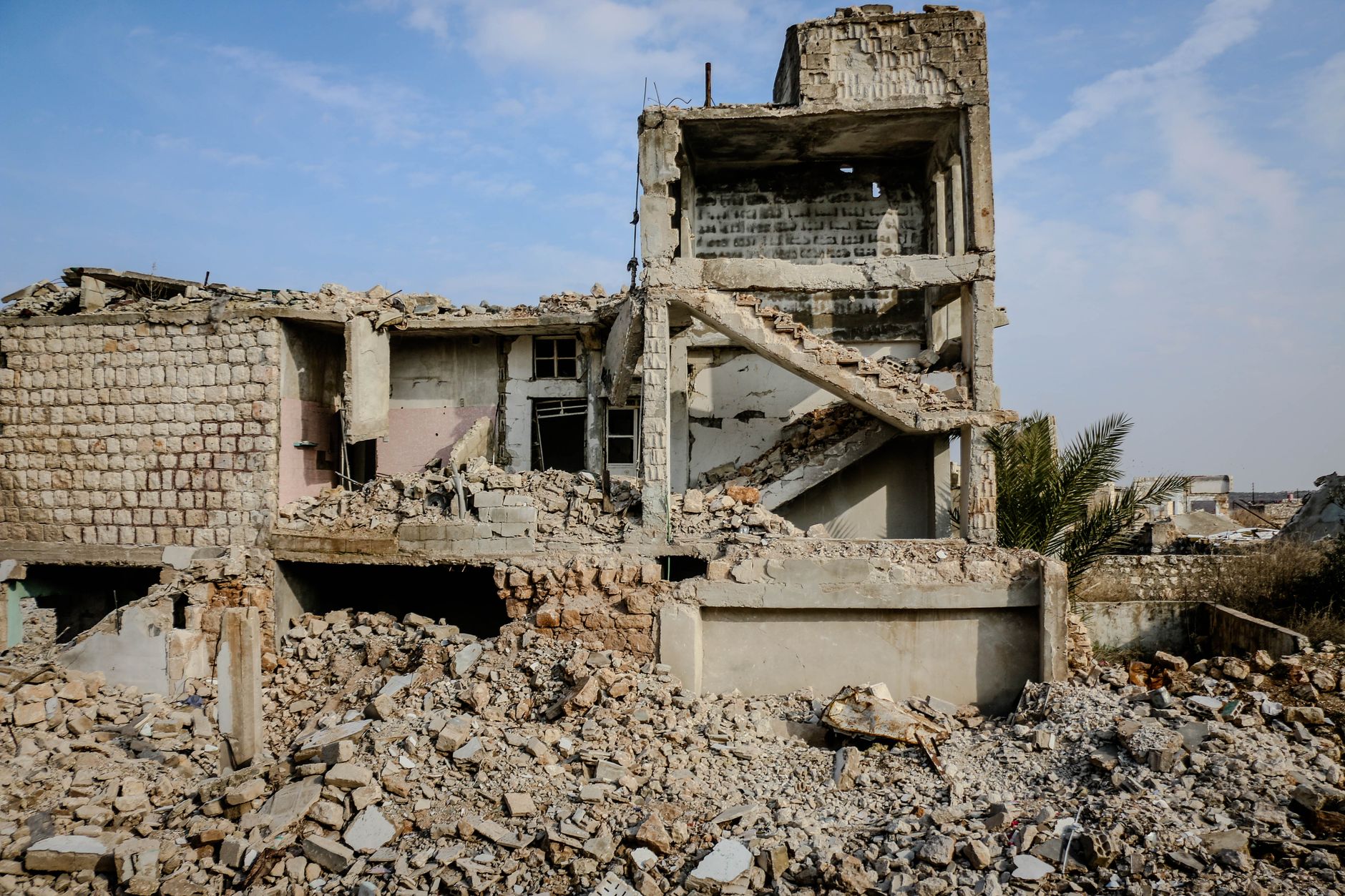
The Trump administration's new policy of asymmetric retaliation—targeting economic infrastructure rather than military assets—represents a significant escalation in deterrence strategy. Critics argue it risks provoking a cycle of attacks and counterattacks that could spiral into open conflict. Meanwhile, international shipping companies are increasingly wary of transiting the Strait, with insurance premiums soaring.
As diplomatic channels remain strained, the onus may fall on Gulf states and global powers to mediate. However, with the U.S. and Iran seemingly entrenched in their positions, the prospect of a peaceful resolution appears distant. The coming weeks will likely determine whether Trump's ultimatum forces a de-escalation or ignites a broader regional war.