U.S. Strikes Iran in Strait of Hormuz, Explosions Reported

The U.S. military has launched new strikes on Iranian positions near the Strait of Hormuz, Iranian state media report explosions in Qeshm and Bandar Abbas with two injured.
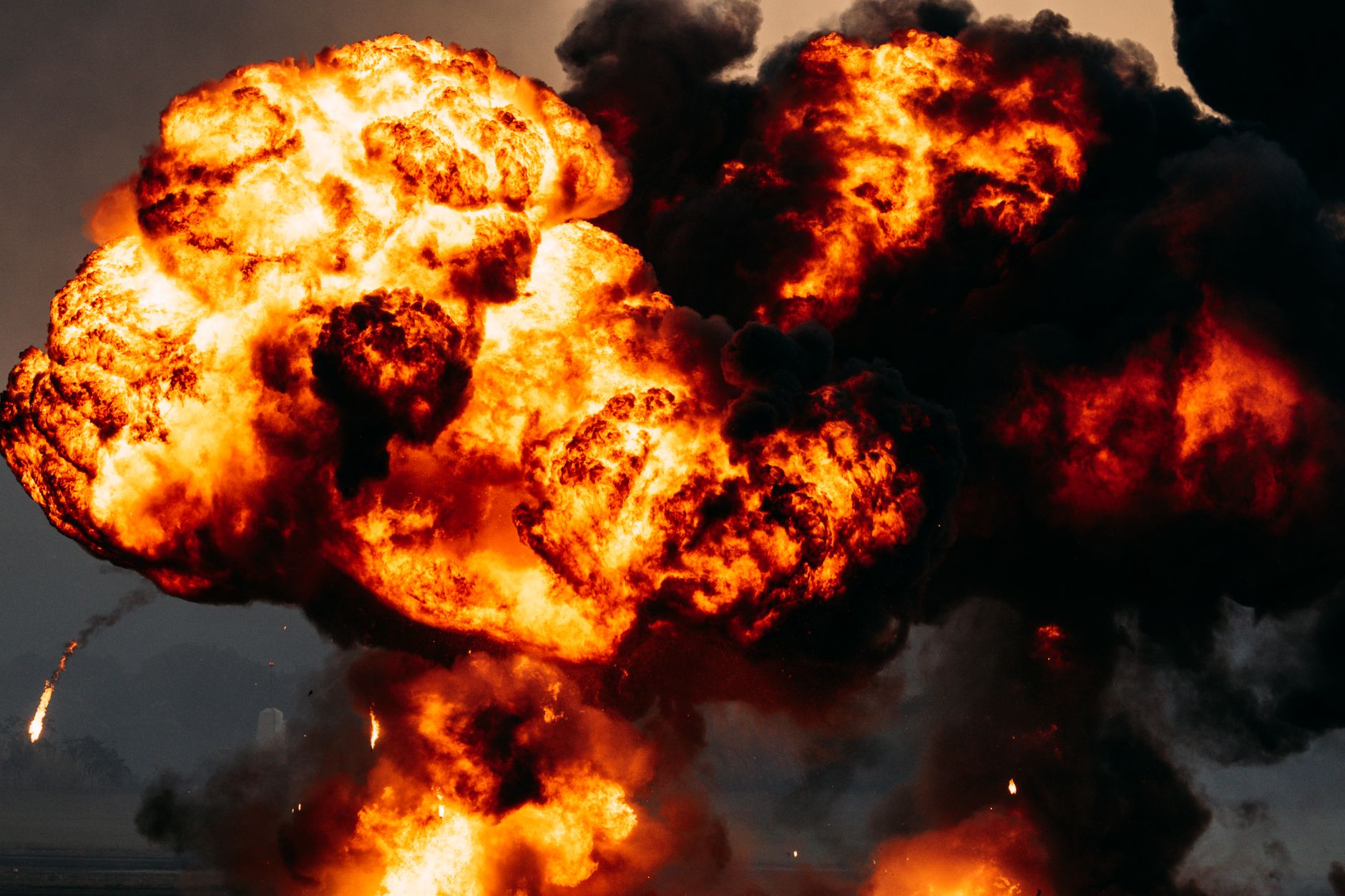
The United States military has carried out fresh airstrikes against Iranian targets in the strategic Strait of Hormuz, dramatically escalating a confrontation over international shipping routes. Iranian state media reported explosions in the key port city of Bandar Abbas and the nearby island of Qeshm, where two people were reportedly injured.
Background: Tensions Over Shipping Lanes
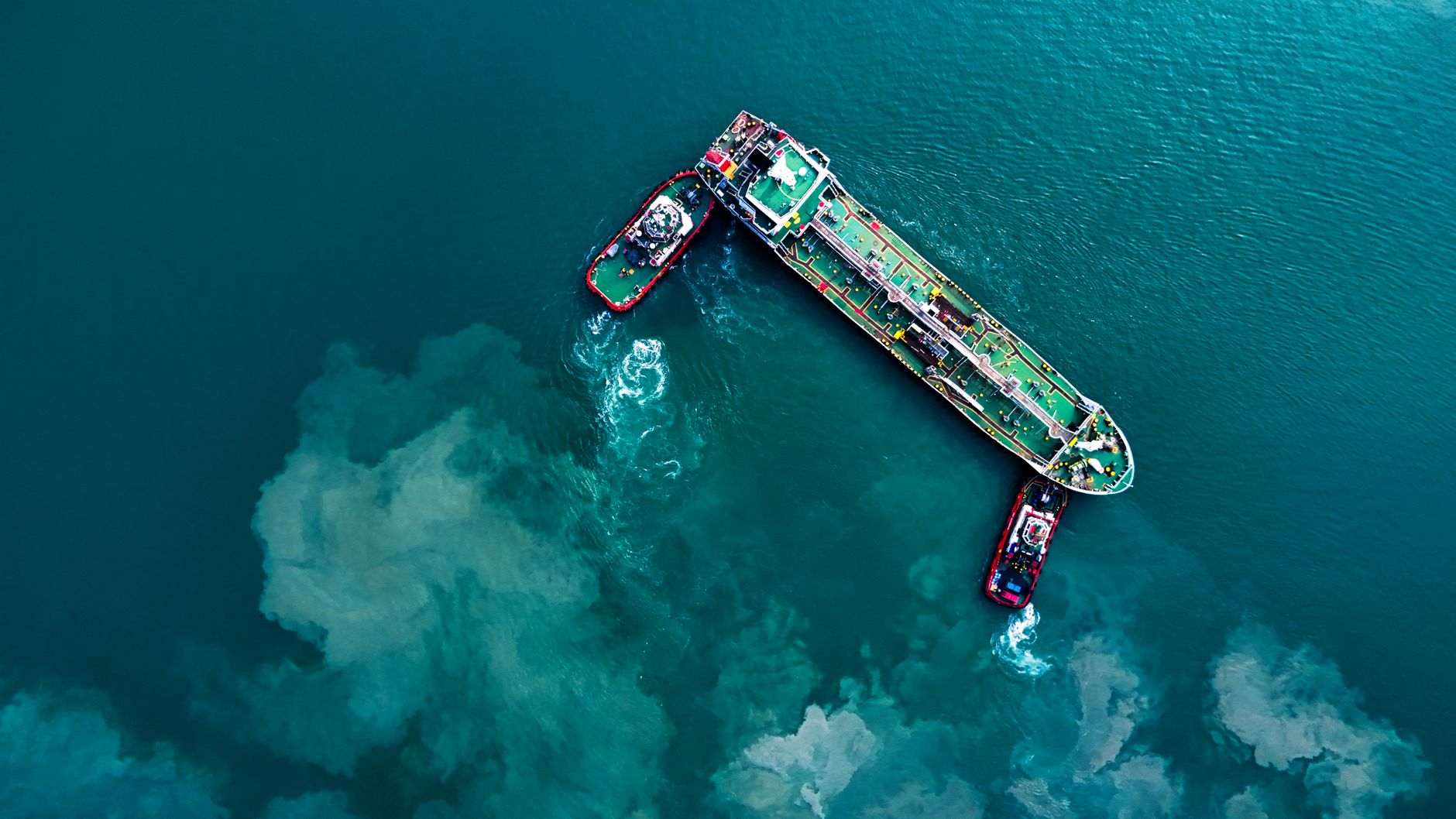
The latest strikes come amid a prolonged standoff between Washington and Tehran over the security of commercial vessels passing through the strait, a chokepoint for about one-fifth of the world's oil. For months, the U.S. has accused Iran of harassing, attacking, or seizing tankers in the region, allegations Tehran has denied. In response, the U.S. and its allies have increased naval patrols and supported freedom of navigation operations. The new military action marks a significant uptick in a pattern of tit-for-tat incidents that have raised fears of a broader conflict.
Details of the Reported Explosions
According to Iranian state media, loud explosions were heard in Bandar Abbas, a major port and home to the Islamic Republic's naval base, as well as on Qeshm Island, which lies just off the coast. The reports indicated that two individuals sustained injuries, though no further details on their condition or the precise targets were immediately available. U.S. officials have not yet commented on the operation, but the strikes appear to be part of a campaign to degrade Iran's ability to threaten maritime traffic.
Local Accounts
Residents in Bandar Abbas described hearing multiple blasts late in the evening, with some claiming to have seen flashes in the sky. On Qeshm, where the strait narrows to a mere 21 miles, witnesses reported a heavy military response. The Iranian government has not released an official statement, and independent verification remains difficult due to restricted access. The incidents underline the volatility of a region already on edge.
Broader Implications for Regional Stability
The strikes risk triggering a dangerous cycle of retaliation. Iran has previously threatened to close the Strait of Hormuz if its interests are attacked, a move that could send oil prices soaring and disrupt global supply chains. Neighboring countries, including Saudi Arabia and the United Arab Emirates, have called for restraint, while the European Union has urged de-escalation and renewed diplomacy. Meanwhile, analysts warn that the conflict could draw in other powers, with Russia and China closely watching developments.
Oil Markets React
Early indications show a spike in crude oil prices as traders factor in the potential for supply disruptions. Benchmark Brent crude surged over 3% in after-hours trading. The Strait handles roughly 20 million barrels per day, making any sustained closure catastrophic for the global economy.
The U.S. has framed its actions as defensive, necessary to protect commerce and deter future attacks. But critics argue that unilateral strikes without a clear strategy risk entangling the United States in another protracted Middle East conflict. As of now, no direct communication channels exist between Washington and Tehran, raising the specter of miscalculation.
Next steps remain uncertain. Diplomatic efforts at the United Nations have stalled, and both sides appear dug in. Iran may retaliate asymmetrically, through proxies or cyberattacks, while the U.S. has signaled willingness to continue operations. The world watches as the situation teeters on the brink of a wider war.