West Asia war LIVE: Trump says 'not finished' attacking Iran
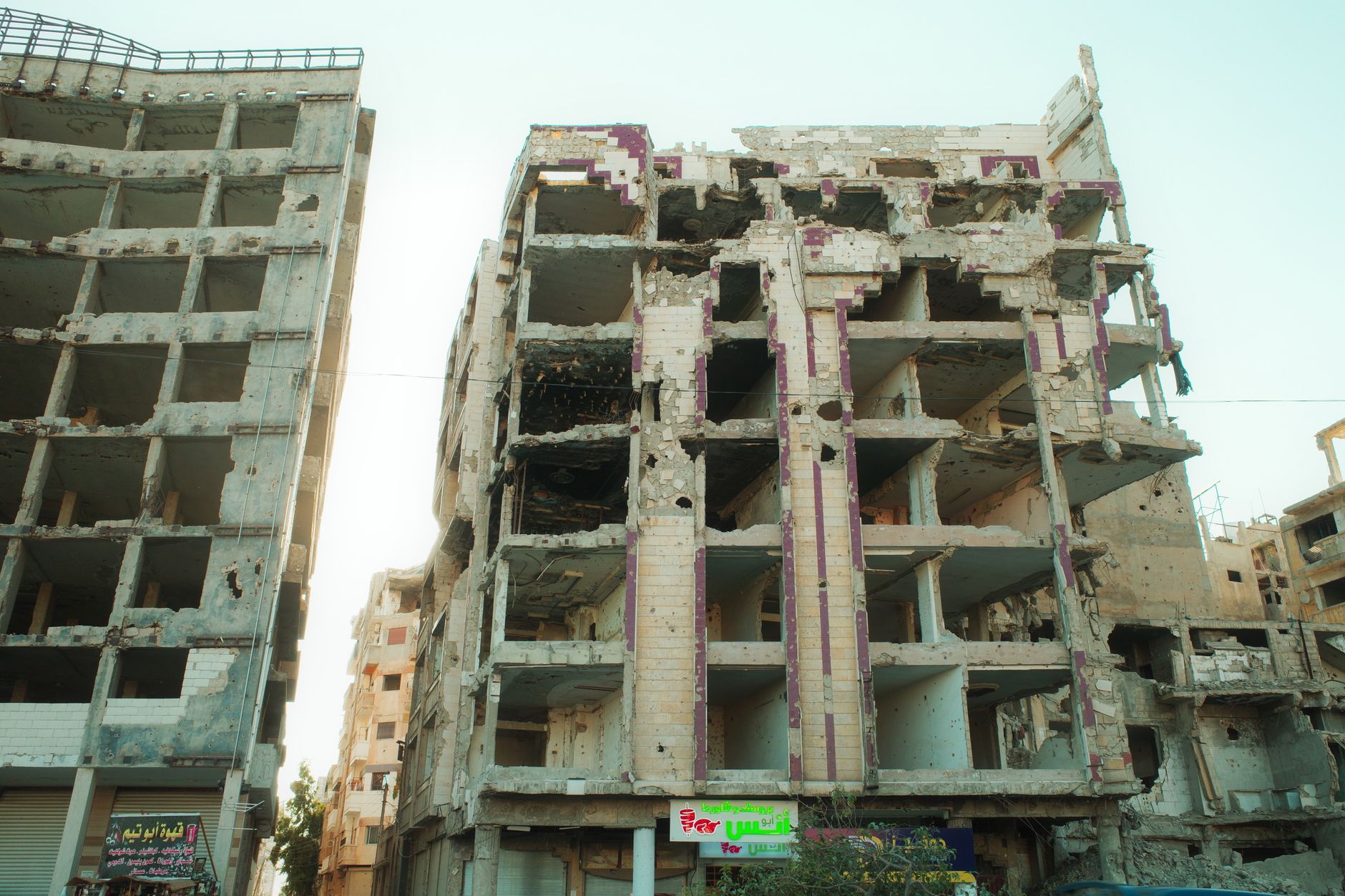
President Trump vows to continue strikes on Iran as Defense Secretary Pete Hegseth reveals the conflict has cost the US $37.5 billion so far.
President Donald Trump declared on Friday that the United States is 'not finished' with its military campaign against Iran, even as the financial toll of the conflict continues to mount. In a statement that signaled no immediate de-escalation, Trump's remarks came hours after U.S. Defense Secretary Pete Hegseth disclosed that the war has cost American taxpayers $37.5 billion to date.
$37.5 Billion and Rising
Speaking at a press briefing at the Pentagon, Hegseth outlined the staggering expense of what has become one of the most costly military engagements in recent U.S. history. The $37.5 billion figure includes operational costs, munitions, logistics, and support for allied forces. Hegseth emphasized that the sum reflects expenses incurred from the initial airstrikes to ongoing operations, but cautioned that the total could grow as the campaign continues.
'This is a significant investment in our national security and that of our allies,' Hegseth said. 'But we must remain mindful of the burden on the American people.' The Defense Secretary did not provide a detailed breakdown, but sources indicate that a large portion of the spending goes toward maintaining air superiority and naval assets in the region.

Context of the Conflict
The U.S.-Iran war, which erupted following a series of provocations in the Persian Gulf, has entered its sixth month. The conflict began after Iran allegedly attacked oil tankers and U.S. drones, prompting a massive retaliation. Since then, the U.S. has conducted hundreds of airstrikes targeting Iranian military infrastructure, nuclear facilities, and missile sites. Iran has responded with ballistic missile attacks on U.S. bases in Iraq and strikes on Saudi Arabian oil fields.
Regional Fallout
The war has drawn in proxies across West Asia, including Hezbollah in Lebanon and Houthi rebels in Yemen. Humanitarian organizations report thousands of civilian casualties, and the United Nations has called for an immediate ceasefire. The economic impact extends beyond military spending: global oil prices have spiked, and shipping through the Strait of Hormuz has been disrupted.
Strategic Implications
Trump's vow to continue attacks suggests a long-term commitment to degrading Iran's military capabilities, but analysts question the sustainability of such a campaign. The $37.5 billion price tag already exceeds the annual defense budgets of many nations, and critics argue that the money could be better spent on domestic priorities. The administration, however, portrays the expenditure as essential to preventing Iran from developing nuclear weapons and destabilizing the region.
Military experts note that the U.S. has not achieved a decisive victory. Iran's air defense systems remain partially operational, and its nuclear program, while damaged, has not been eliminated. The conflict has also strained ties with European allies, who have urged restraint and a return to diplomacy.

What Comes Next
As the war enters a new phase, the Pentagon is reportedly drafting plans for a sustained campaign of airstrikes and potential ground operations. Hegseth did not rule out additional troop deployments. Meanwhile, diplomatic channels remain open, but with Trump's latest statement, prospects for a negotiated settlement appear dim. The financial and human costs are likely to escalate, making this one of the defining foreign policy challenges of the Trump administration.