Iran Guards Seize Two Oil Tankers in Strait of Hormuz

Iran's Revolutionary Guards said Tuesday they stopped two oil tankers for non-compliance in the Strait of Hormuz, raising regional tensions.
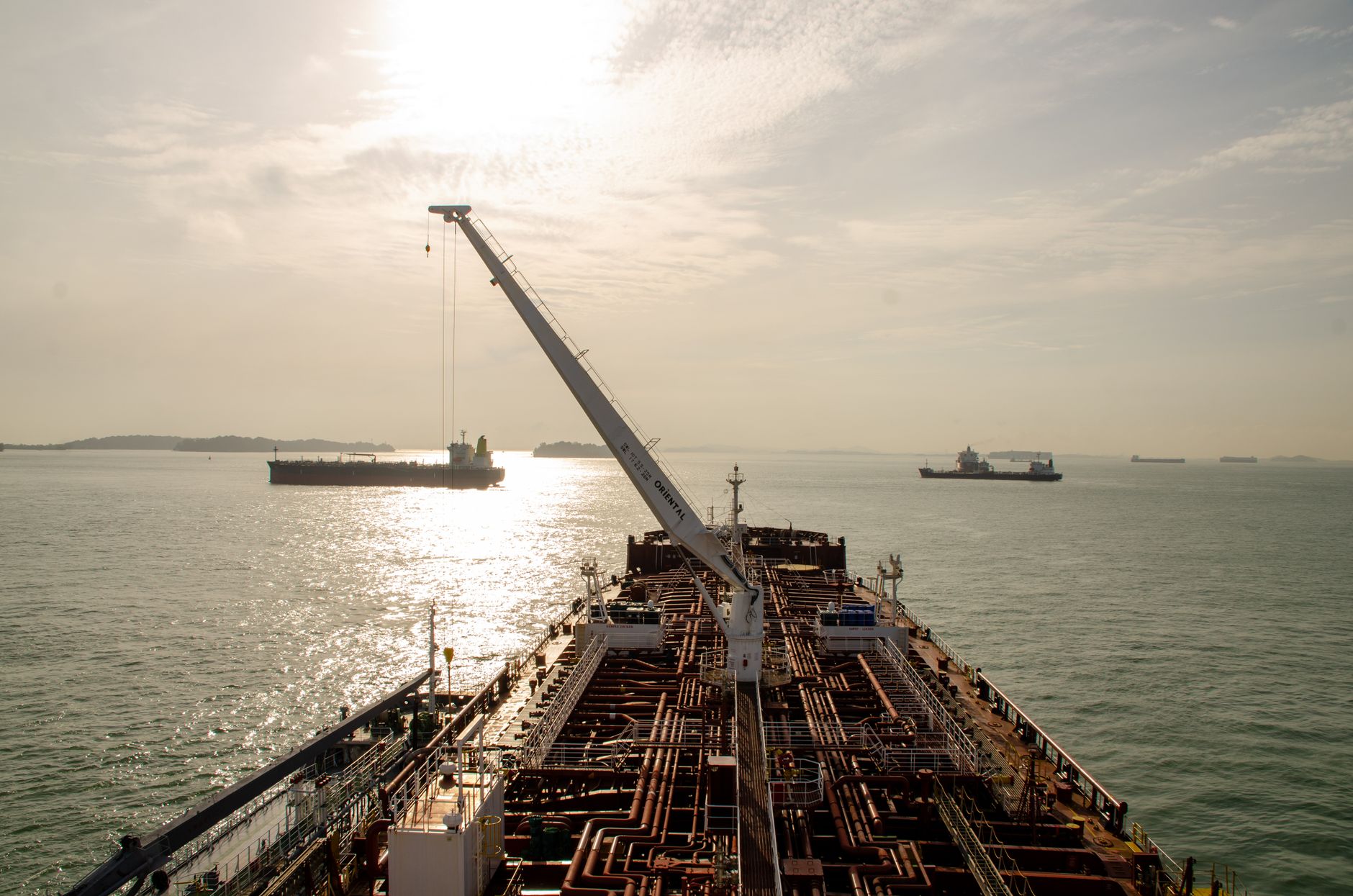
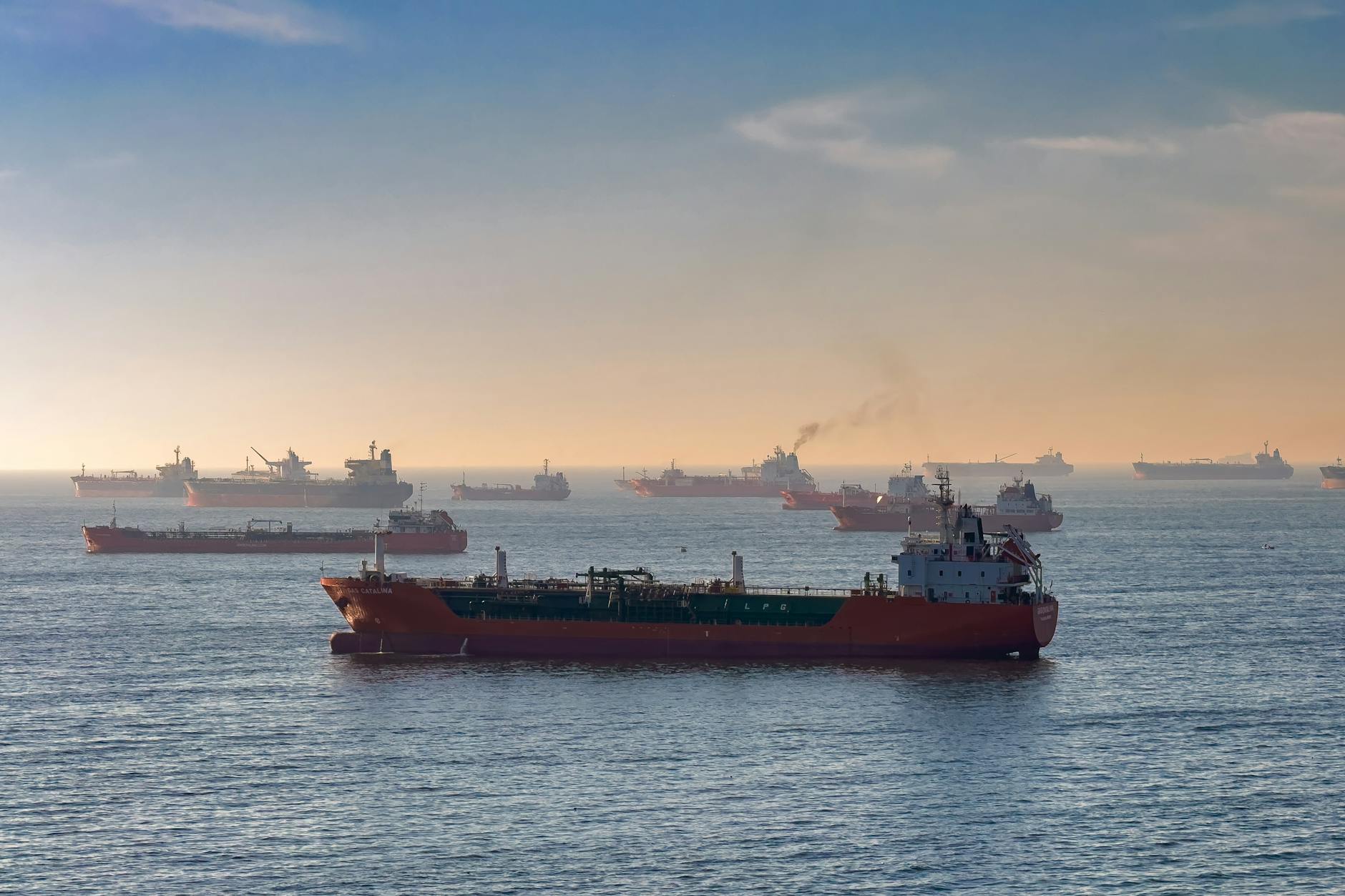
On Tuesday, Iran’s Islamic Revolutionary Guard Corps (IRGC) announced it had intercepted two oil tankers attempting to transit the Strait of Hormuz, accusing them of non-compliance. The incident, which took place in the narrow waterway that handles about a fifth of the world’s oil supply, marks the latest escalation in a region already on edge due to ongoing tensions between Iran and the United States.
The Interception
The IRGC said in a statement that its naval forces stopped the two vessels after they failed to comply with regulations. While details remain scarce, the guards described the tankers as “non-compliant,” a term often used by Iranian authorities when confronting ships they deem to be violating maritime laws or carrying contraband. The guards did not disclose the names or flags of the tankers, nor did they specify whether the vessels were taken into Iranian custody or allowed to proceed after inspection. Past incidents have seen Iran hold ships for weeks amid diplomatic negotiations.
Strait of Hormuz: A Strategic Chokepoint
The Strait of Hormuz is a vital artery for global energy markets, with roughly 20 million barrels of oil and liquefied natural gas passing through daily. Any disruption there can send shockwaves through oil prices and international trade. Iran has long leveraged its position along the strait as a bargaining chip in disputes with the West, and Tuesday's interception underscores Tehran's readiness to enforce its maritime claims unilaterally. The area has been a flashpoint for decades, with Iran regularly conducting military exercises and occasionally seizing commercial vessels it accuses of smuggling or environmental violations.
Escalating Tensions in the Gulf
The move comes against a backdrop of heightened hostility between Iran and the United States, which has a naval presence in the Persian Gulf. In recent months, the U.S. has accused Iran of harassing commercial shipping and has deployed additional warships to the region. Iran, in turn, views U.S. naval activities as provocations. The IRGC, designated a terrorist organization by Washington, has vowed to protect Iran's territorial integrity and maritime rights. While Tuesday's incident did not involve direct confrontation with American forces, it signals Iran's willingness to disrupt shipping lanes to assert its influence. Experts warn that such actions could inadvertently trigger a broader conflict if a ship's crew is harmed or if a major oil producer's cargo is seized.
International Implications
The international community has yet to issue a formal response, but the incident is likely to draw condemnation from Western nations and Gulf states. The United Nations and maritime security organizations often call for restraint in the Strait of Hormuz to ensure freedom of navigation. Oil markets, already volatile amid global supply concerns, may see short-term jitters if the situation escalates. For now, shipping companies and insurers are expected to tighten protocols for transiting the strait, potentially driving up costs and delays.
Looking ahead, the interception serves as a reminder of the fragile equilibrium in the region. Iran may use such operations to pressure adversaries on other fronts, such as nuclear negotiations or sanctions relief. Meanwhile, the U.S. and its allies face the challenge of deterring further incidents without escalating into a direct military confrontation. As the world watches, the Strait of Hormuz remains a flashpoint where a single encounter can alter the course of global energy security.