Two oil tankers explode in Strait of Hormuz, IRGC says

Iran's Revolutionary Guard reports two tankers exploded and immobilized in the Strait of Hormuz, raising fresh security concerns at a global oil chokepoint.
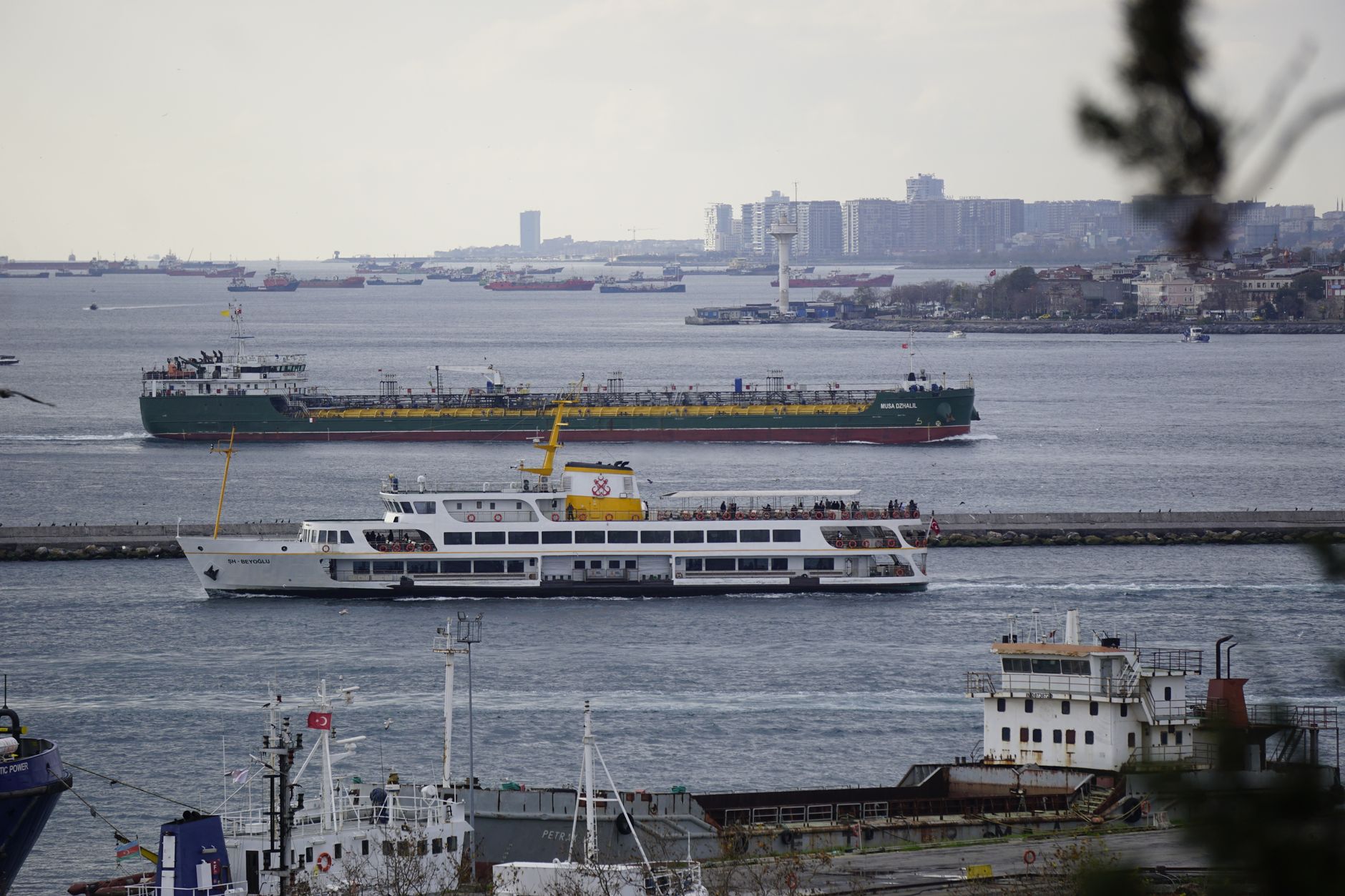
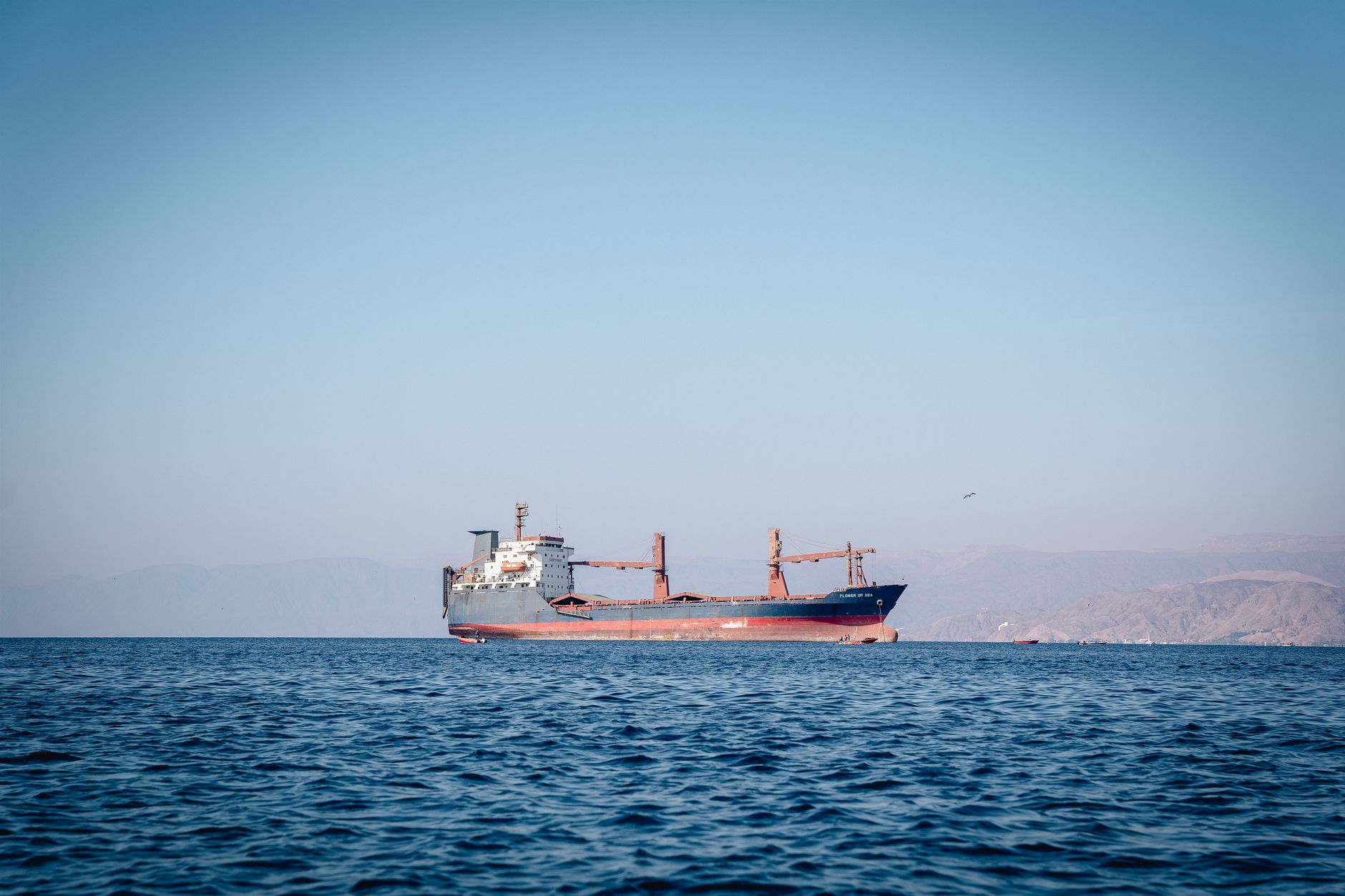
The Islamic Revolutionary Guard Corps (IRGC) announced on Tuesday that two oil tankers had exploded and were left immobilized in the Strait of Hormuz after attempting to navigate what the Iranian military force described as an unsafe southern route. The incident, reported without immediate independent confirmation, adds to tensions in a waterway critical to global energy supplies.
The Incident
According to the IRGC's brief statement, the two vessels were transiting the southern corridor of the Strait of Hormuz when they encountered an unspecified hazard, resulting in explosions that rendered them unable to move. The force did not disclose the names or flags of the tankers, nor any information about possible casualties or environmental damage. The IRGC characterized the route as unsafe but offered no further details on the nature of the danger, leaving open whether it stemmed from navigational hazards, mechanical failures, or external interference.
Strategic Significance of the Strait
The Strait of Hormuz, a narrow waterway between Iran and Oman, is one of the world's most strategically important oil transit chokepoints, handling roughly one-fifth of global petroleum consumption. Past incidents in the region—including a series of tanker attacks in 2019 that the United States blamed on Iran—have underscored its vulnerability. The IRGC's announcement comes amid a long-running standoff between Iran and the U.S., with both sides engaged in military posturing and diplomatic brinkmanship. The strait's security is a perennial concern for oil markets and maritime insurers.
Past Tensions in the Waterway
In recent years, the Strait has been a flashpoint for confrontations. In 2019, explosions damaged several tankers near the port of Fujairah, and Iran was accused of seizing vessels, including a British-flagged tanker. The IRGC's own statements have often highlighted threats to shipping as part of its rhetoric against Western presence in the region. This latest report, while lacking detail, could reignite debates over the safety of transit routes and the reliability of Iranian assurances.
Implications for Global Energy Markets
The explosion and immobilization of two tankers in such a confined waterway could disrupt shipping patterns and raise insurance premiums for vessels transiting the Strait. If the route is perceived as hazardous, shippers may seek alternative paths, though few exist. The Suez Canal and the Bab el-Mandeb strait offer some alternatives but add significant distance and cost. Oil prices, already volatile due to geopolitical uncertainty, could experience upward pressure if the incident is seen as a precursor to broader disruptions. However, the lack of information on the cause leaves markets in a wait-and-see mode.
Looking Forward
The IRGC's description of the southern route as unsafe may prompt international maritime bodies to reassess navigational warnings. Naval forces in the region, including the U.S.-led Combined Maritime Forces and the European-led EMASoH mission, are likely to step up patrols and reconnaissance. Calls for independent investigation are expected, as Iran's status as a protagonist in regional disputes complicates trust. The coming days will be critical in determining whether this is an isolated incident or a sign of escalating threats to one of the world's most vital maritime arteries.