SpaceX Falcon 9 Hits Moon—But No One Saw It

The Falcon 9 upper stage slammed into the lunar surface, but astronomers missed the flash. A Chilean telescope gathered indirect evidence of the impact.
On Wednesday, the upper stage of a SpaceX Falcon 9 rocket ended its long, meandering journey by crashing into the far side of the moon. The impact occurred exactly where astronomers had predicted, and the rocket was hauling at about 5,400 mph when it hit. Yet despite weeks of advanced warning and a worldwide network of telescopes aimed at the lunar surface, no one managed to capture a direct image or video of the collision. The anticipated flash of light, which would have been a first for the lit side of the moon, never showed up in any observatory feed.
An Unprecedented Chance to See a Lunar Crash
This was supposed to be a historic moment for space observation. Astronomers knew the trajectory of the Falcon 9 upper stage with remarkable precision, giving them plenty of time to coordinate their instruments. The idea was to catch the impact flash, a brief burst of light that would result from the kinetic energy of the collision. Had they succeeded, it would have been the first time such an event was observed directly on the sunlit portion of the moon. However, the best-laid plans collided with the harsh realities of observational astronomy: lighting conditions, the location of the impact site, and the sheer difficulty of catching a split-second event on a body 239,000 miles away. None of the professional telescopes that turned toward the moon that day came away with a direct image.
Indirect Evidence From a Chilean Telescope
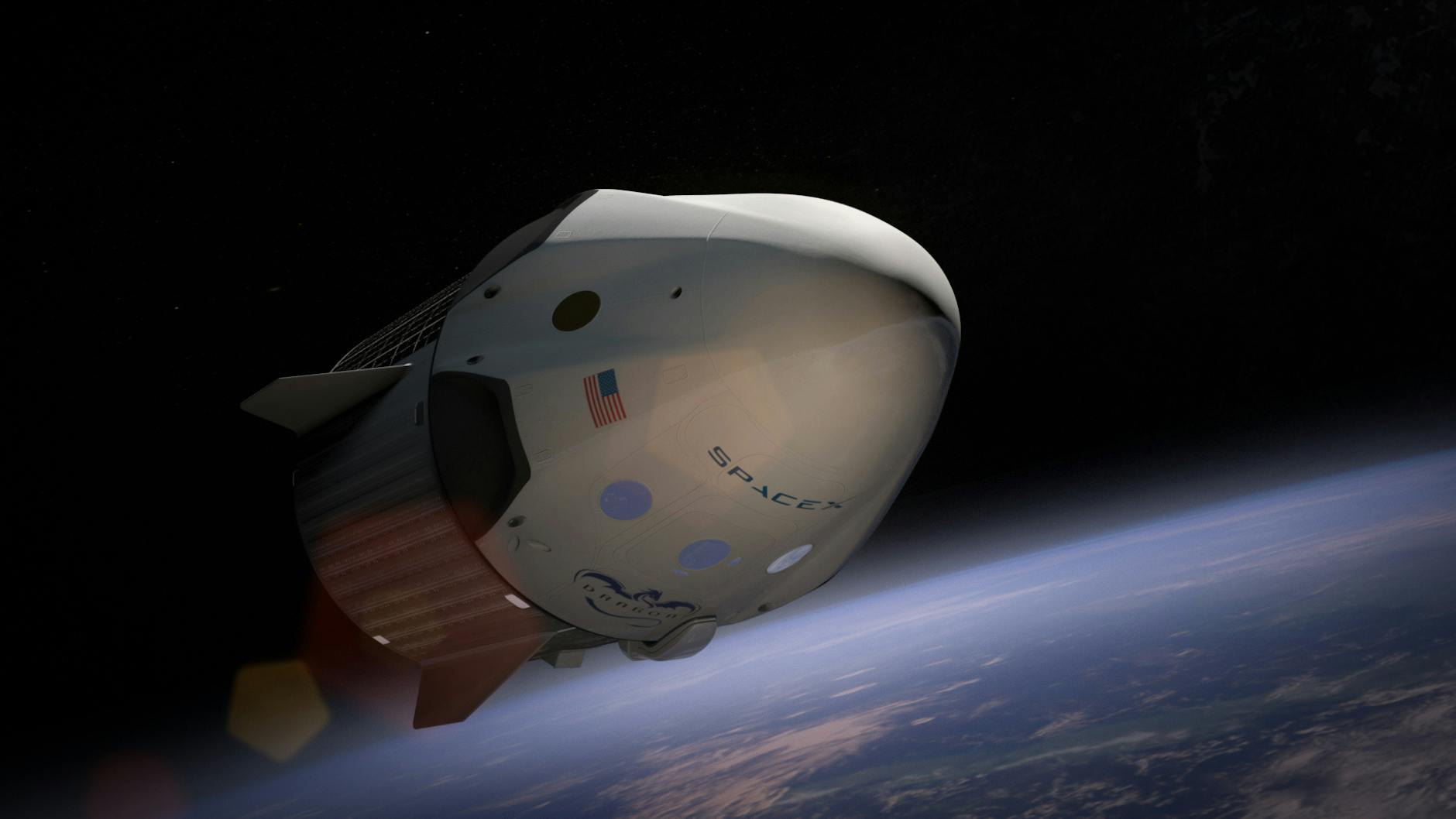
The strongest proof that the impact happened as predicted comes not from a snapshot, but from a spectrographic reading. Scientists using the European Southern Observatory’s Very Large Telescope in Chile detected a stream of sodium and lithium in the region of the crash site just minutes after the predicted time of collision. While this is indirect evidence, researchers are confident it points to a genuine impact. The sodium is believed to have been ejected from the lunar surface by the force of the crash, while the lithium likely came from the rocket body itself. This chemical fingerprint is exactly what a hypervelocity impact would be expected to leave behind. NASA, which had announced its intent to observe the event, has not yet released any images or results, and other scientific institutions are still combing through their data.
A Crater and Upcoming Observations
According to NASA estimates, the Falcon 9 upper stage carved out a crater approximately 60 feet in diameter and 12 feet deep, flinging a cloud of dust and rock onto the lunar terrain. The first direct images of this new crater may come in the next few days, as NASA’s Lunar Reconnaissance Orbiter and a South Korean orbiter are both scheduled to pass over the region. These spacecraft should be able to spot the fresh excavation and confirm the impact site with before-and-after imagery. Until then, the only evidence of the crash remains the subtle chemical trail detected from Earth.
A Growing Problem of Space Debris
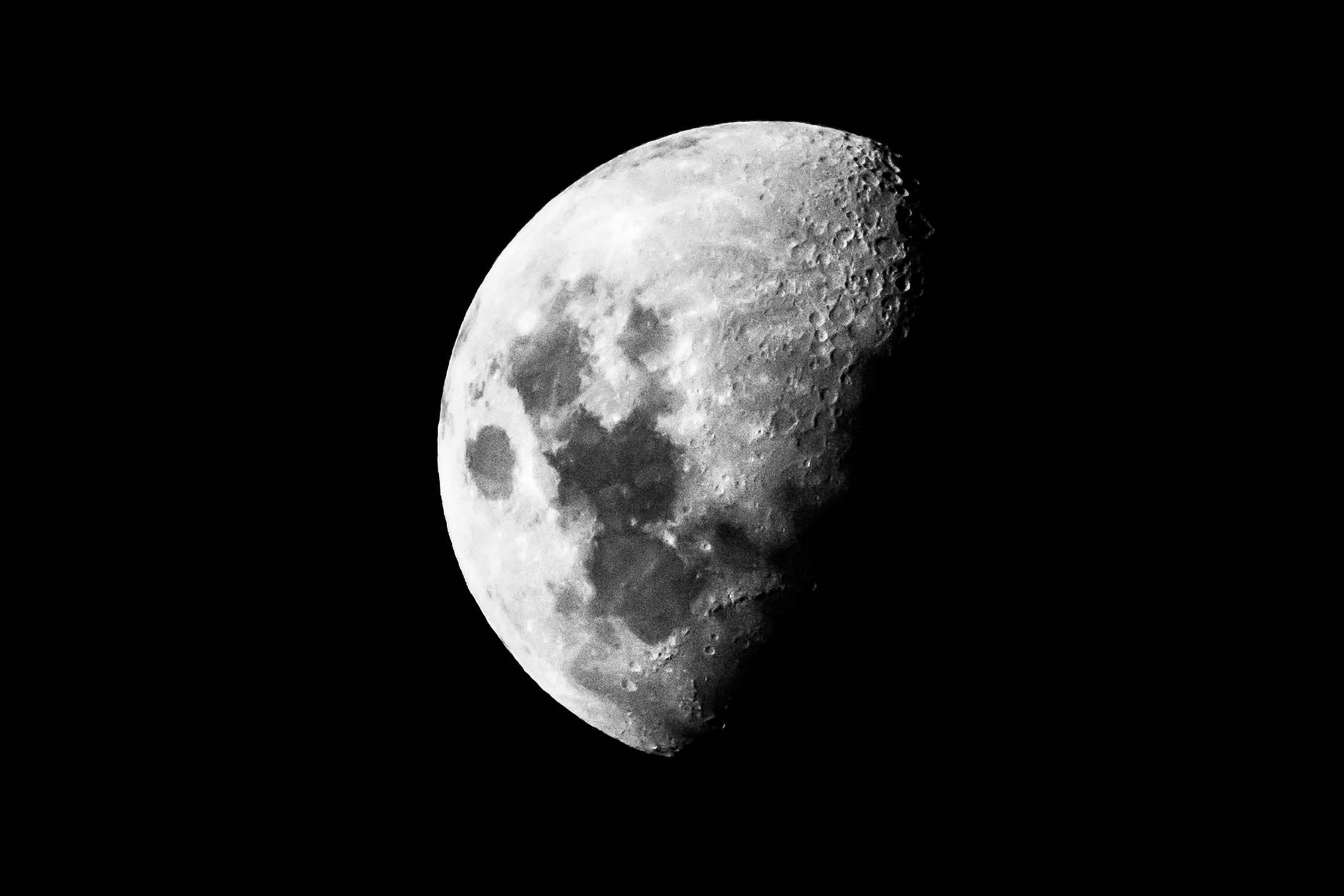
This Falcon 9 upper stage was not always destined for the moon. After completing its mission in early 2025, it was left in an unstable orbit that slowly decayed under the gravitational influence of the Earth, moon, and sun. More than a year later, its path finally intersected with the lunar surface. The moon has been hit by rocket debris before; a Chinese rocket stage impacted the far side in 2022. As lunar traffic increases—with more government and commercial missions planned in the coming years—the need for robust safety protocols and debris mitigation becomes ever more urgent. Every abandoned upper stage is a potential projectile, and the moon is no longer a distant, passive target but a busy neighborhood.
What Comes Next
The scientific community is now waiting for the orbiters to deliver the first close-up views of the crater. Those images will offer more than just a visual confirmation—they will help researchers understand the composition of the lunar crust and the dynamics of high-speed impacts. Meanwhile, the fact that this collision went unobserved from Earth is a reminder of the limitations of ground-based observation. It also underscores the importance of dedicated lunar monitoring, as humanity prepares to return to the moon permanently. The Falcon 9 is gone, but its impact—literally and figuratively—will be studied for years to come.