War by Any Other Name: The US-Iran Conflict Goes Quiet
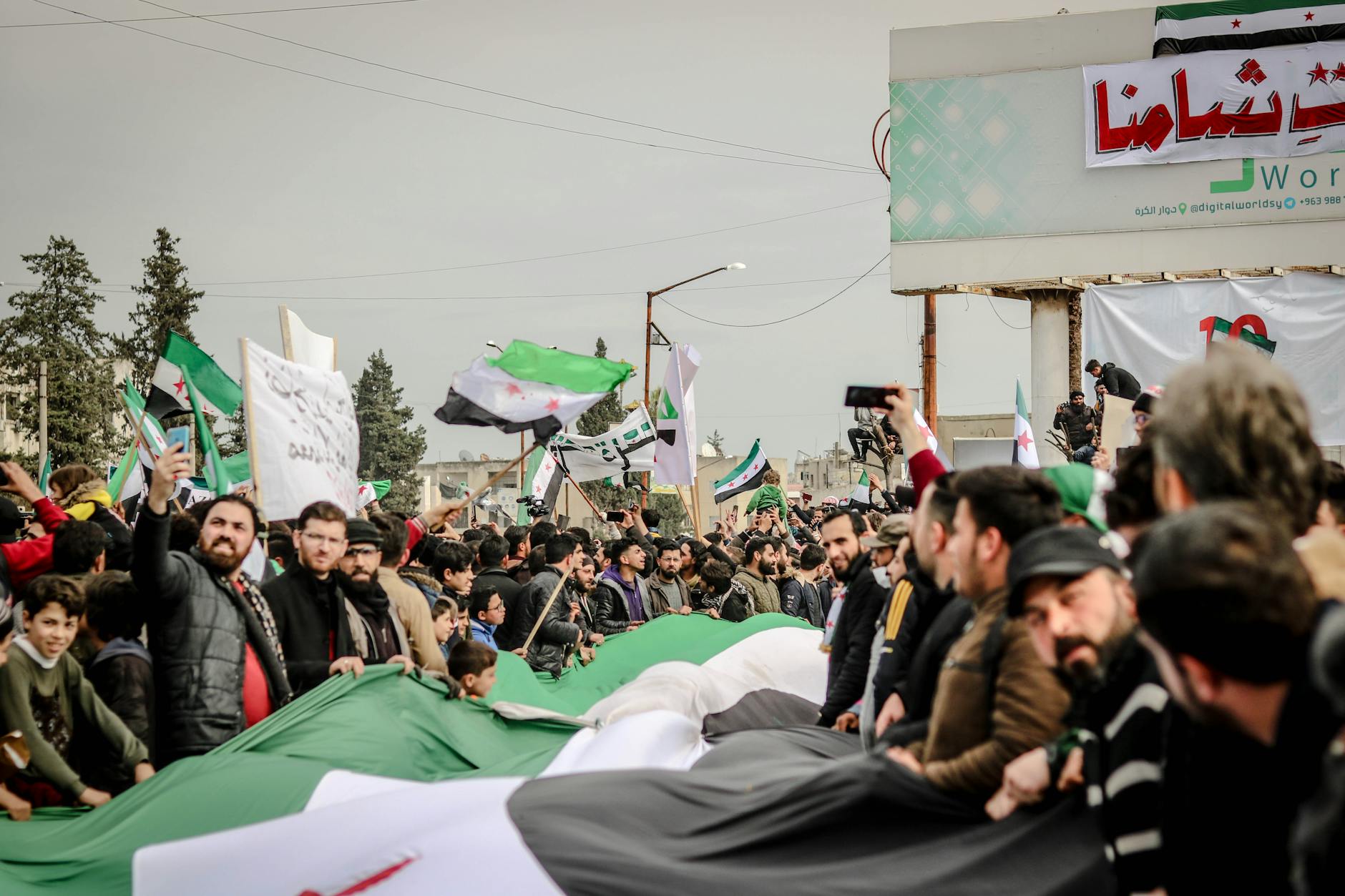
No press conferences or official declarations, yet the US-Iran conflict continues beneath the surface, raising questions about accountability and strategy.
No classified briefings, no press conferences, no acknowledgment that the conflict with Iran is back on. Yet, the signs are unmistakable: a shadow war simmering without a formal declaration, carried out through cyber operations, proxy forces, and economic sanctions. The United States and Iran are locked in a protracted struggle that neither side is willing to call by its name.
The Strategy of Silence
The absence of official recognition is deliberate. For the Biden administration, openly acknowledging hostilities with Iran would complicate diplomatic efforts to revive the 2015 nuclear deal. For Tehran, quiet escalation avoids triggering a full-scale military response while allowing it to pressure the U.S. through its regional allies. This mutual reticence has created a paradoxical situation: a conflict that everyone knows exists, but no one will publicly confirm.
Cyber and Covert Actions
Recent incidents point to an intensifying underground war. Cyberattacks on Iranian nuclear facilities and infrastructure have been attributed to U.S.-linked actors, while Iran has been accused of targeting American adversaries and allies through cyberespionage and proxy attacks. The lack of formal attribution allows both sides to deny responsibility while continuing operations.

Historical Precedents
This is not the first time the U.S. and Iran have waged war without calling it one. From the Iran-Iraq war in the 1980s, where the U.S. tilted toward Iraq, to the tanker war and the downing of Iran Air Flight 655, the relationship has been defined by indirect conflict. The 2020 assassination of Qasem Soleimani by a U.S. drone strike was a rare instance of overt action, but even that was framed as a response to imminent threats rather than an act of war.
The Nuclear Deal Factor
The diplomatic theater surrounding the JCPOA provides cover for both sides. Negotiations in Vienna have dragged on, with each accusing the other of intransigence. Meanwhile, Iran has accelerated its uranium enrichment, and the U.S. has maintained crippling sanctions. The parallel tracks of diplomacy and conflict allow leaders to claim they seek peace while preparing for continued confrontation.
Implications for Regional Stability
The undeclared war has serious consequences. Allied nations in the Middle East—Israel, Saudi Arabia, the UAE—watch closely, often acting on their own to counter Iranian influence. The lack of transparency erodes trust and makes escalation more likely. If a major incident occurs, the absence of clear rules of engagement could lead to a miscalculation that spirals into open war.
What does this mean going forward? Without a political settlement, the conflict will continue to fester. The quiet war may be more sustainable in the short term, but it creates a dangerous ambiguity that could one day explode into full-blown confrontation. The name may be unspoken, but the reality is unmistakable: war by any other name is still war.