US-Iran War Expands: Bridges Bombed, Ships Attacked

US strikes on Iranian bridges and Iran's attack on a Kuwait power plant mark a dangerous new phase, as tankers explode near the Strait of Hormuz.
The conflict between the United States and Iran escalated sharply on Friday as both sides targeted infrastructure for the first time since their ceasefire collapsed last week. The US struck bridges in southern Iran, while Tehran responded by hitting a power and desalination plant in Kuwait, expanding the theater beyond military assets. At sea, two oil tankers exploded and caught fire after passing through a mined route south of the Strait of Hormuz, and armed men seized another vessel off Yemen, further disrupting global energy supplies.
Infrastructure Strikes Mark New Phase
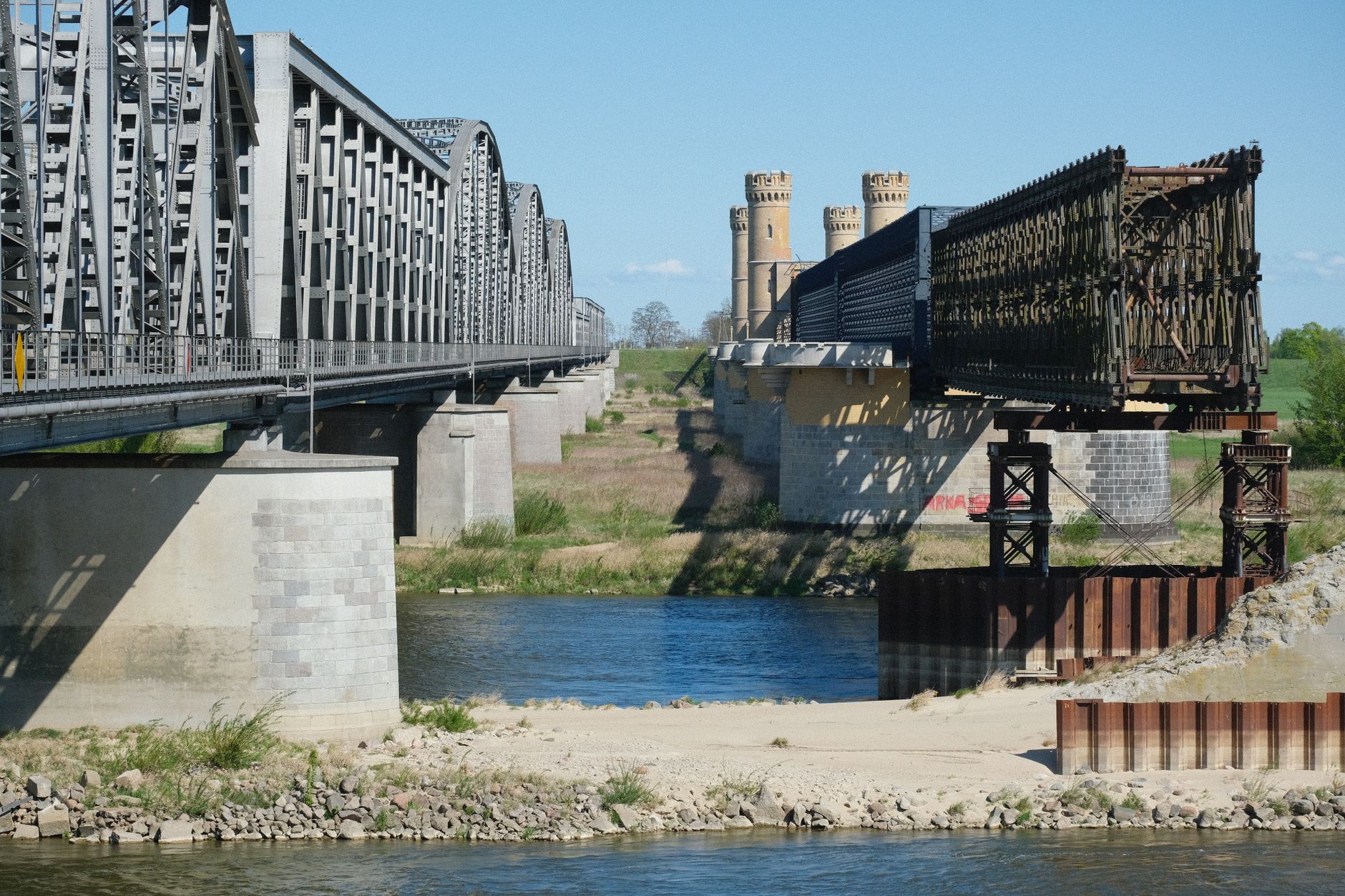
The US military's Central Command said it reinitiated attacks on Iran for the seventh consecutive night, focusing on "military logistics infrastructure" in strikes that ended early Saturday. Targets included surveillance sites, underground weapons storage, and maritime capabilities. Iranian state media reported at least five bridges were struck in the south, with seven people killed in attacks on bridges in the port of Bandar Khamir, where a train station was also hit. Explosions were reported in Sirik, Ahvaz, and Yazd, though no casualties were confirmed near Yazd, according to Iran's semi-official Mehr news agency.
In response, Iran struck a power and desalination plant in Kuwait, a vital facility for the Gulf state. The attack marked a significant escalation, as it targeted civilian infrastructure in a neighboring country. The Revolutionary Guards warned that until US "aggression" ends, it will not be possible to export chemical fertilisers or even a "single drop of oil and gas" from the region.
Maritime Chaos and Oil Market Jitters
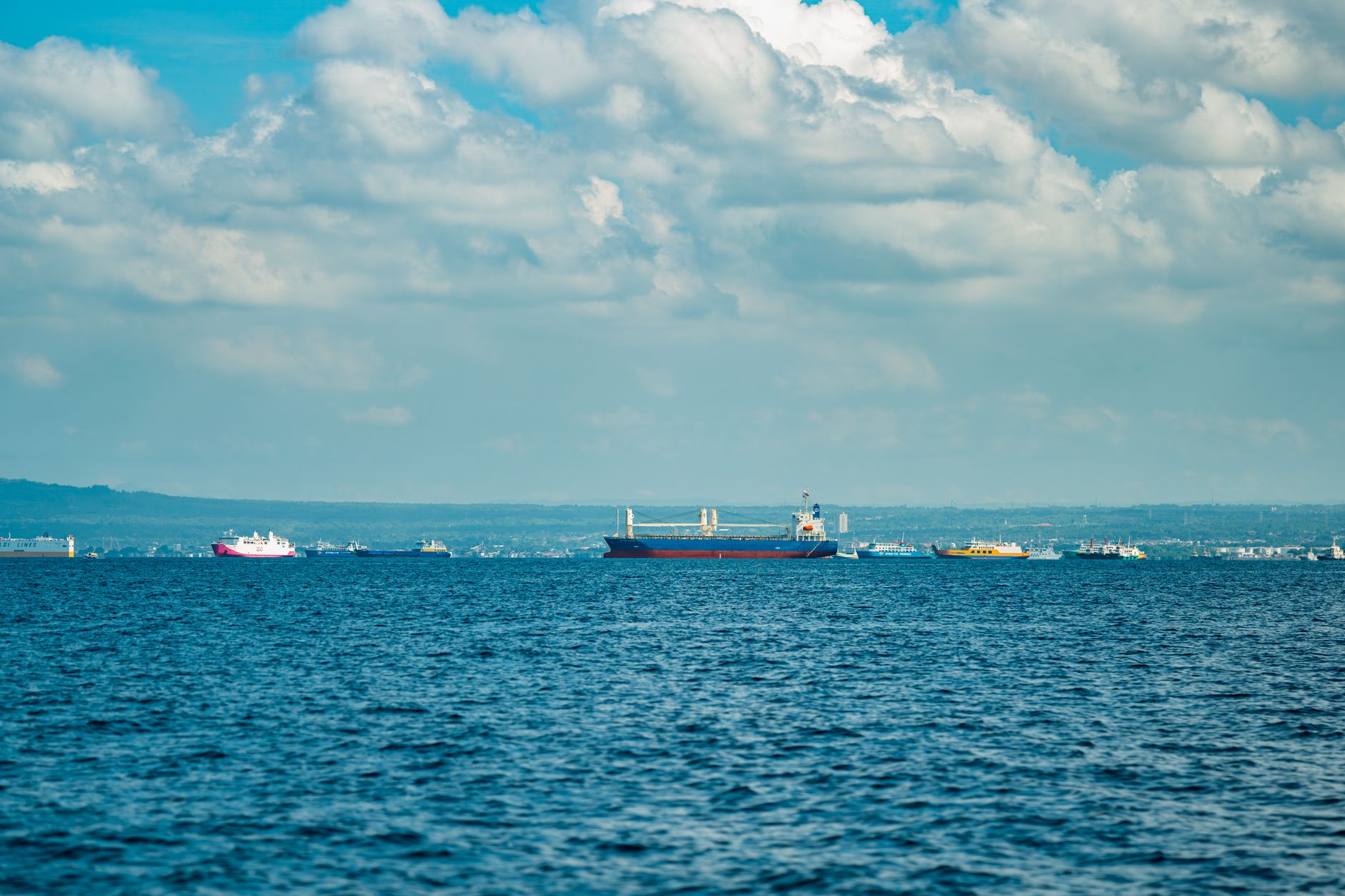
The renewed conflict has again cut off energy supplies from the Gulf. US Marines boarded a tanker near the Strait of Hormuz, while two oil tankers exploded and caught fire after navigating a mined route south of the strait. Iranian media attributed the blasts to Iran's Revolutionary Guards, but the US military denied the claim, stating, "Like most IRGC claims, this is false." Armed men seized another vessel off Yemen, heightening concerns over security at the Bab el-Mandeb strait, another key choke point for oil shipments at the mouth of the Red Sea.
Benchmark Brent crude oil prices climbed 3 percent following the reports and were on track for a third consecutive weekly gain, putting political pressure on US President Donald Trump ahead of November congressional elections. The disruptions threaten to further strain global energy markets already volatile from the conflict.
Political and Strategic Context
The escalation comes after the US-Iran ceasefire agreement collapsed last week, raising the prospect of a return to all-out war. Trump has threatened broad-based air strikes on Iran's infrastructure and has not ruled out a ground assault on Iran's coast or islands. US officials indicated that attacks on southern Iran are designed in part to give Trump options, but such moves risk provoking Iran to hit vulnerable Gulf states or disrupt energy supplies via its allies in Yemen.
Mohsen Rezaei, an adviser to Iran's supreme leader and a former Revolutionary Guards top commander, warned Friday against US escalation or any attempt to seize Iranian territory. "If US strikes continue for several more days, we will move into a phase of full-scale offensive operations," he told state television. United Nations Secretary-General António Guterres expressed concern over the escalation, particularly "attacks on civilian infrastructure in Iran and across the region."
What Comes Next
With both sides showing no signs of de-escalation, the conflict risks expanding further. The US has deployed over 50,000 service members across the Middle East, signaling readiness for sustained operations. Iran's threats to halt oil and gas exports, combined with attacks on shipping, could trigger a global energy crisis. The coming days will test whether diplomatic channels reopen or the region slides into a broader war with devastating consequences for Gulf states and the world economy.