US-Saudi civilian nuclear deal signed amid non-proliferation fears
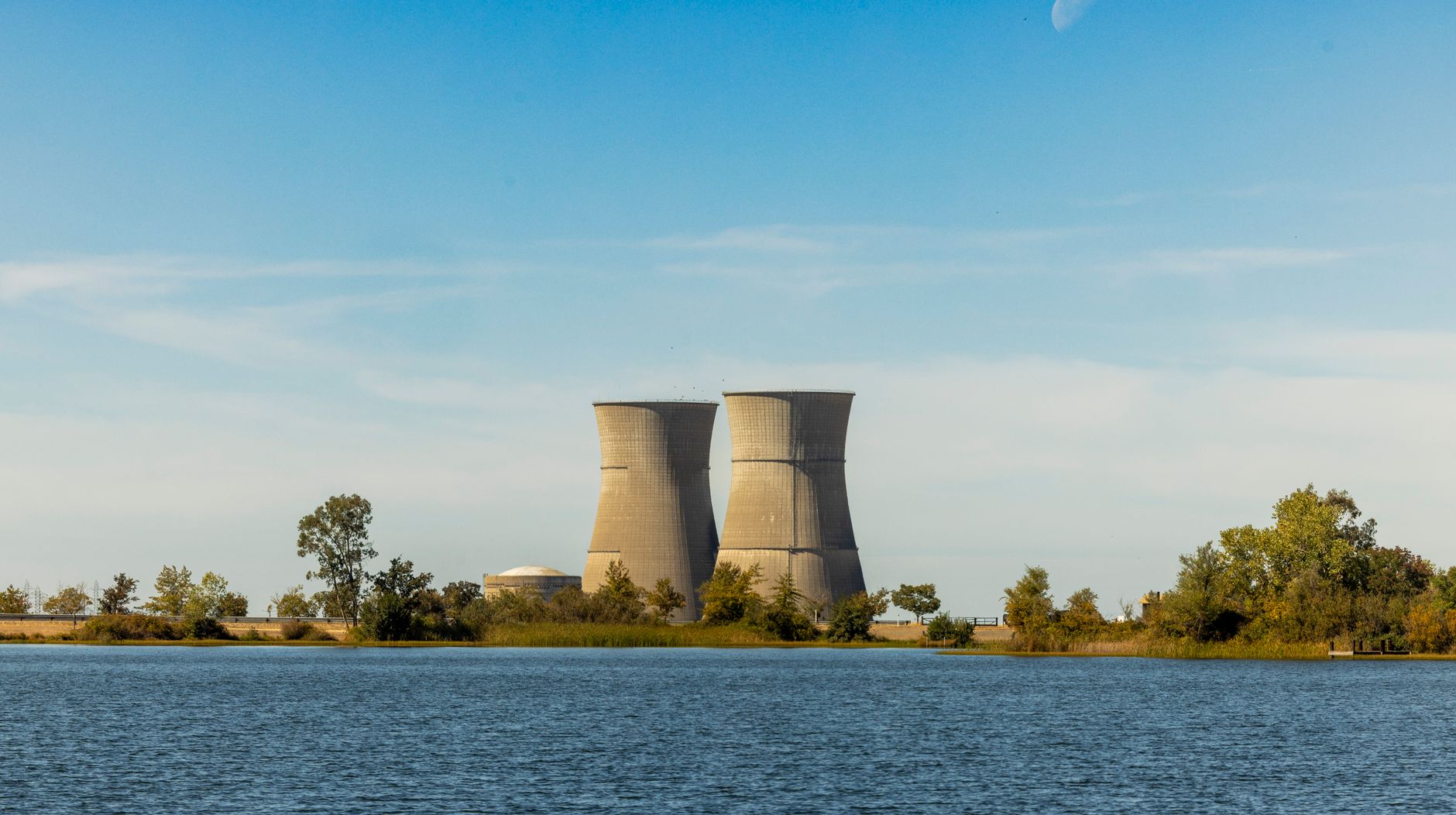
The US and Saudi Arabia signed a landmark civilian nuclear deal on Wednesday, but critics fear it could enable the kingdom to develop nuclear weapons.
The United States and Saudi Arabia on Wednesday formalized a civilian nuclear cooperation agreement, a landmark deal that Washington says includes robust non-proliferation safeguards but has sparked fears among lawmakers and Israeli officials that it could pave the way for the kingdom to develop nuclear weapons.
Deal Details and Safeguards
US Energy Secretary Chris Wright and Saudi Energy Minister Prince Abdulaziz bin Salman signed two agreements: one on "peaceful nuclear cooperation" and another on "bilateral safeguards." The US Energy Department said the accords lay the legal foundation for a decades-long, multibillion-dollar partnership that advances priority economic and strategic objectives, including nuclear non-proliferation. The full text of the deals has not been made public.
Under the agreement, US companies could potentially build nuclear power plants in Saudi Arabia, with the kingdom pledging to forgo enrichment and reprocessing capabilities—at least initially. However, critics note that past civilian nuclear programs have been used as cover for weapons development.

Enrichment Provision and Concerns
A provision in the deal, reported by The Wall Street Journal, would allow US companies to construct a uranium enrichment facility in Saudi Arabia. The Energy Department statement made no mention of such a provision and declined to comment when asked by Agence France-Presse. This has heightened anxiety among non-proliferation advocates.
Some US lawmakers and Israeli officials have expressed fears that the project could help Saudi Arabia develop nuclear weapons, potentially triggering an arms race in the volatile Middle East. Israel, the region's only nuclear-armed state, has long opposed any enrichment capabilities in neighboring countries.
Context of the Iran War
The deal comes as the United States, under President Donald Trump, is engaged in a war with Iran—a conflict that began largely over concerns with Tehran's nuclear program. That issue remains a key sticking point in now-stalled peace talks. The timing has raised eyebrows, as critics question why Washington would replicate a similar program in a nation that could one day become a rival.
The administration argues that the Saudi program, unlike Iran's, will be subject to strict international oversight and that the partnership strengthens U.S. influence in the region. But skeptics point to Saudi Arabia's history of human rights abuses and its lack of transparency.

Next Steps and Implications
Implementation of the deal will be closely watched, especially regarding any enrichment activities. The U.S. Congress may seek to review the agreement to ensure safeguards are watertight. If the provision for a domestic enrichment facility proceeds, it could redefine energy cooperation in the Gulf and test the non-proliferation regime. The outcome will likely shape nuclear dynamics in the Middle East for decades to come, with implications for global security and diplomatic relations.