US to hit Canada with 50% tariffs on wide range of goods
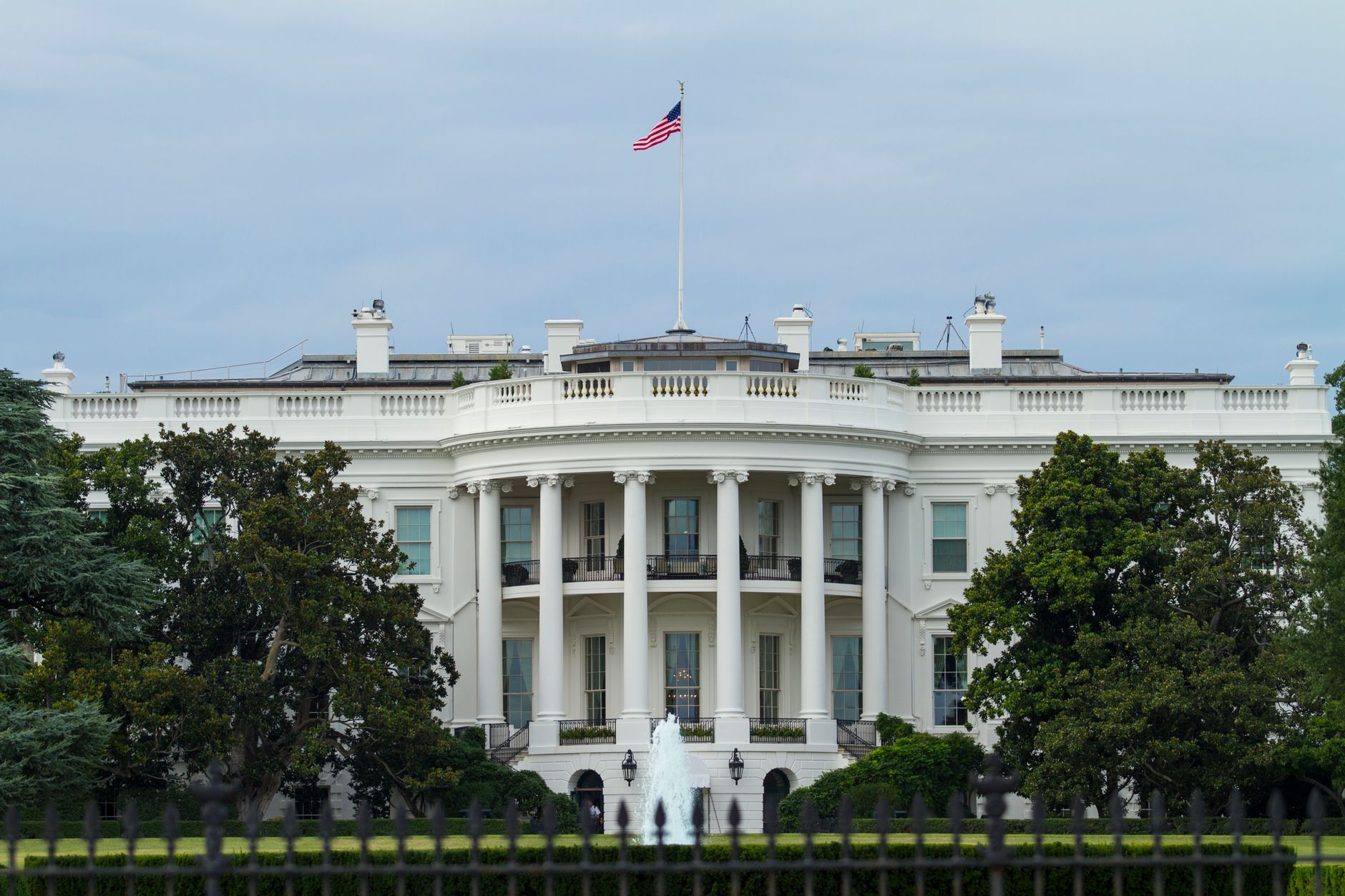
Washington accuses Canada of unfair trade practices, imposing 50% tariffs that threaten to reignite a trade war.
The United States announced plans to impose 50% tariffs on a broad set of Canadian goods, escalating trade tensions between the two neighbors. The White House accused Ottawa of engaging in unfair trade practices that harm American industries, a move that could reignite a trade war similar to the one experienced under the previous administration.
Background of the Dispute
The tariffs target a wide array of products, from steel and aluminum to agricultural goods and consumer items. Washington claims that Canadian subsidies and regulatory barriers have created an uneven playing field for US businesses. The move comes after months of negotiations failed to resolve longstanding grievances over dairy quotas, lumber tariffs, and digital services taxes.

Economic Impact
Economists warn that the 50% tariff rate is unusually high and could disrupt supply chains that have integrated deeply across the border since the US-Mexico-Canada Agreement (USMCA) took effect. Canada is the top export market for 36 US states, and retaliatory measures are expected. The Canadian government has already signaled it will respond with its own tariffs on American products, targeting politically sensitive goods like orange juice and motorcycles.
Historical Context
This is not the first time tariffs have strained the bilateral relationship. In 2018, the US imposed tariffs on Canadian steel and aluminum, prompting retaliation from Canada that lasted until a deal was struck. The new tariffs are broader and higher, raising fears of a protracted trade war that could harm both economies and undermine the USMCA framework.

What Comes Next
Both countries have indicated a willingness to negotiate, but the 50% tariff level suggests a hardline stance. The immediate impact will be felt by consumers and businesses on both sides of the border, as prices rise and trade flows slow. The coming weeks will reveal whether diplomatic efforts can de-escalate the situation or if this marks the beginning of a new era of protectionism in North America.