US Senate to vote on CLARITY Act in September after Thune cloture
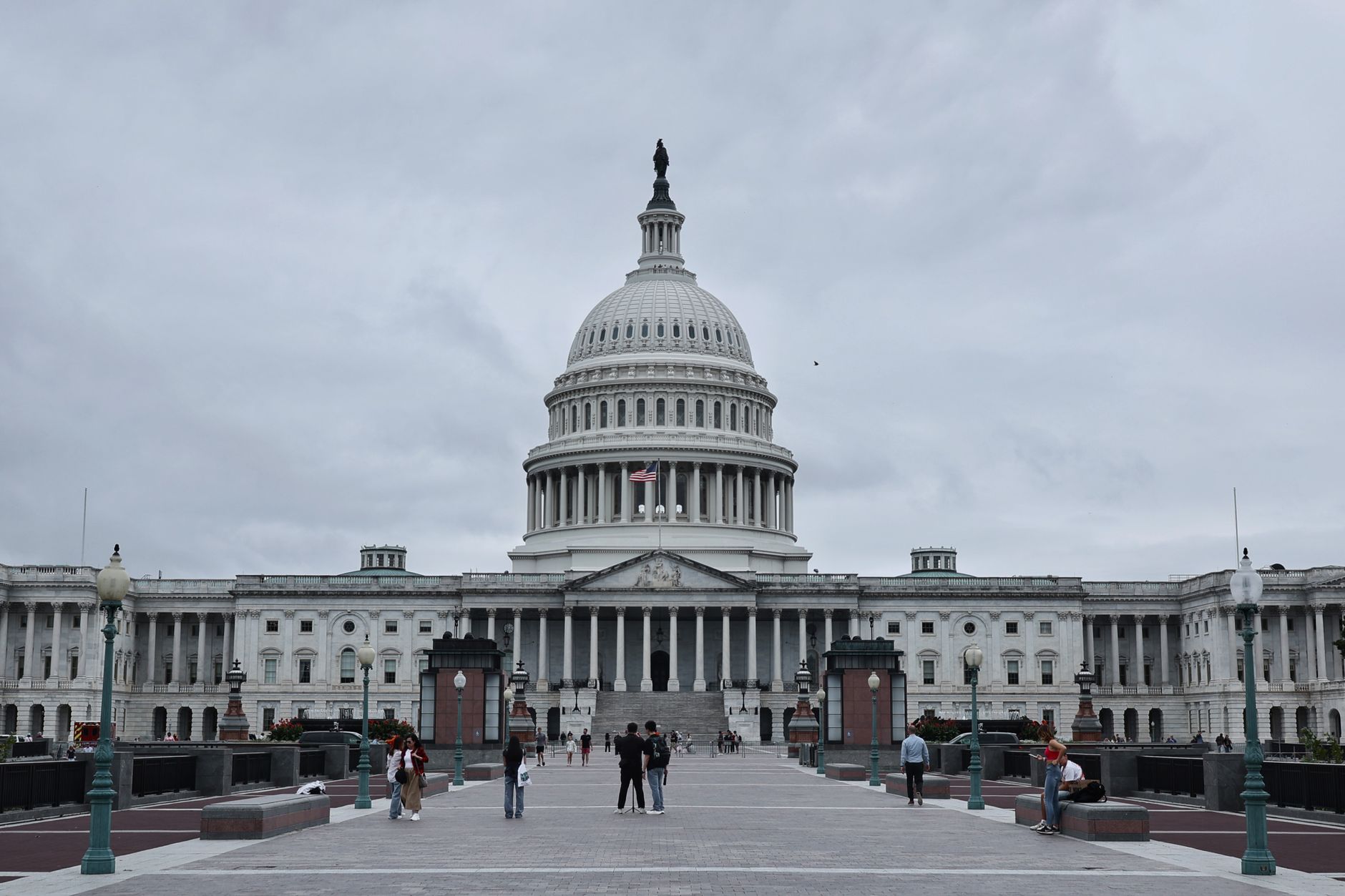
The Senate will vote in September on advancing the CLARITY Act after Thune files cloture. Lawmakers are still negotiating ethics and stablecoin provisions.
The U.S. Senate is set to vote in September on advancing the CLARITY Act, a comprehensive crypto market structure bill, after Senate Majority Leader John Thune filed a cloture motion to move the legislation forward. The procedural step ends weeks of stalled negotiations and signals bipartisan momentum to establish clear federal rules for digital assets.
Cloture Filed to Break the Stalemate
Thune's cloture filing is a critical move in the Senate parliamentary process. Under chamber rules, a successful cloture vote requires 60 votes to cut off debate and proceed to a final vote on the bill. The filing indicates that leadership believes the legislation now has the support needed to overcome this hurdle. The vote is expected when senators return from the August recess.
The CLARITY Act had faced delays as lawmakers worked to refine provisions related to ethics and stablecoins. By filing cloture, Thune effectively set a timeline: a procedural vote will occur in September, and if it passes, the Senate can move to debate and amend the underlying bill.
A Framework for Crypto Markets
At its core, the CLARITY Act aims to resolve jurisdictional ambiguities that have long plagued the cryptocurrency industry. Currently, digital assets can fall under the oversight of either the Securities and Exchange Commission (SEC) or the Commodity Futures Trading Commission (CFTC), depending on how they are classified. This patchwork has confused market participants and slowed innovation.
The legislation seeks to create a clear regulatory framework for trading platforms, issuers, and investors, including definitions of what constitutes a security versus a commodity. Industry advocates argue that such clarity is essential for the United States to remain competitive in the global digital economy, while consumer groups have called for robust investor protections.
Ethics and Stablecoin Negotiations Continue
Lawmakers are still finalizing the bill's ethics and stablecoin provisions, which remain the primary sticking points. Stablecoin rules are particularly contentious, as they would dictate reserve requirements and redemption rights for digital tokens pegged to fiat currency. Ethics provisions, meanwhile, are designed to prevent conflicts of interest among market participants and regulators.
Sources close to the negotiations indicate that staff-level talks are ongoing, and amendments may be introduced when the bill reaches the floor. These provisions are seen as essential for winning moderate support and addressing concerns about systemic risk and market integrity.
What Happens Next
The September cloture vote will be a key test of the bill's viability. If the motion passes, the Senate will move to consider the legislation itself, potentially leading to a final floor vote in the fall. If it fails, the CLARITY Act could be shelved indefinitely, dealing a setback to years of efforts to create coherent crypto regulation.
Observers are watching closely, as the outcome will signal whether Congress can act on digital assets before the end of the session. With negotiations still underway, the next few weeks are crucial. The coming vote will not only determine the fate of this bill but also set the tone for future crypto legislation in the United States.