U.S. Launches Strikes on Iran Day After Foiled Missile Attack
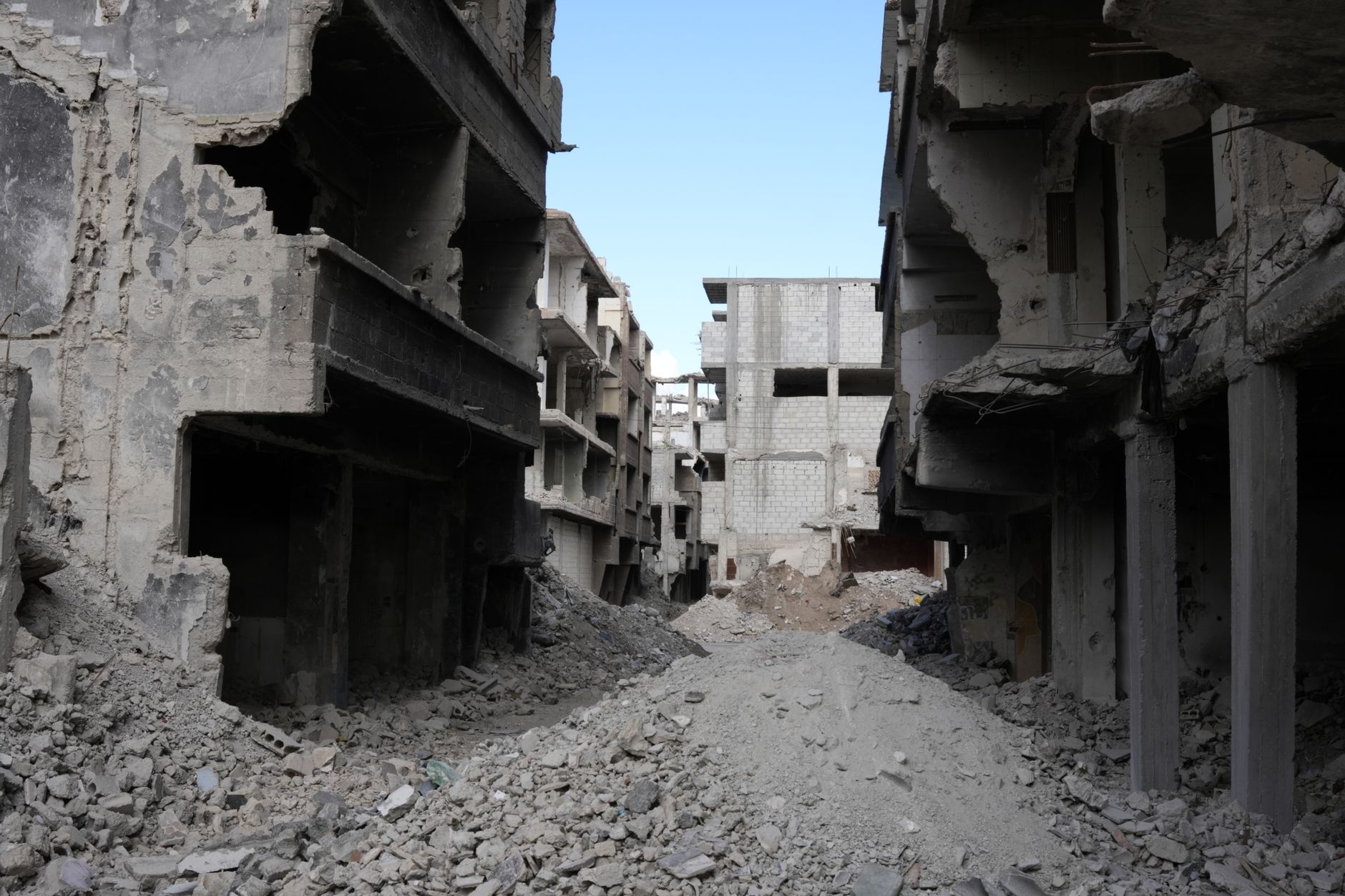
The U.S. military launched airstrikes on Iranian targets hours after President Trump vowed retaliation for a foiled attack on American forces in Jordan. The operation marks a sharp escalation in tensions.
The United States military carried out airstrikes against Iranian targets on [date], just hours after President Donald Trump threatened to hit Iran “very hard” following a failed missile attack on a base in Jordan that houses American troops. The strikes, which were confirmed by defense officials, represent a significant escalation in the ongoing standoff between Washington and Tehran.
Foiled Attack on U.S. Forces in Jordan
The sequence of events began when Iranian forces launched missiles at a U.S. military installation in Jordan, a key ally in the region. The attack, however, was intercepted or otherwise prevented from causing casualties or major damage, according to initial reports. The base, which hosts a contingent of American personnel, has been a focal point of tensions as Iran has sought to pressure U.S. interests in the Middle East through its proxies and direct actions.

Trump's Response and Vow of Retaliation
In the aftermath of the foiled assault, President Trump issued a stark warning, stating that the United States would respond “very hard” to any aggression. His remarks, made during a public appearance, underscored the administration's commitment to protecting American forces and deterring further Iranian provocations. The President's rhetoric has often been forceful in matters of national security, and his vow set the stage for the swift military response that followed.
The U.S. Strikes
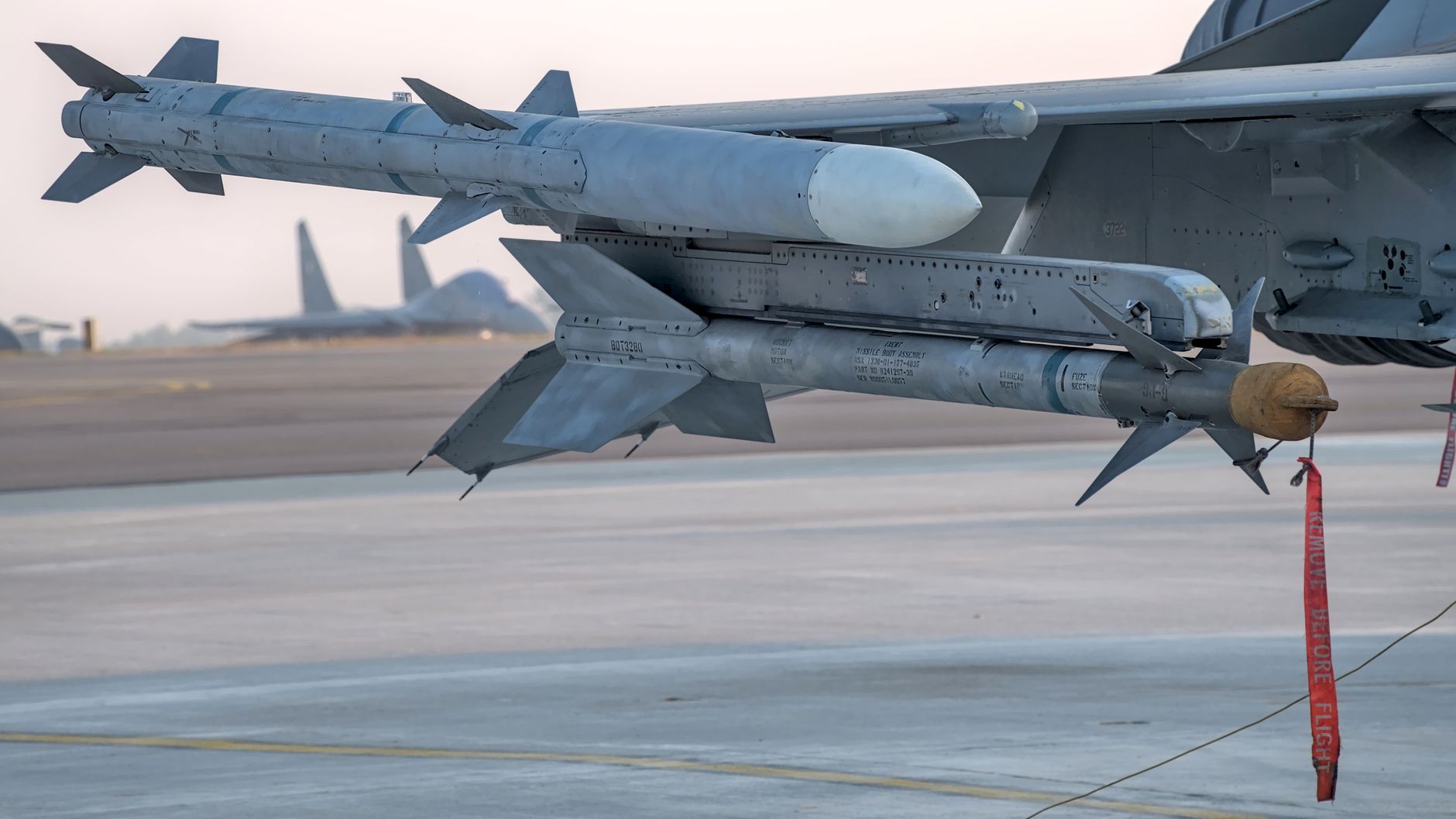
The American retaliatory strikes targeted Iranian military assets, including positions linked to the country's elite Quds Force. While specific details remain limited, defense officials described the operation as “proportional” and aimed at degrading Iran's ability to conduct future attacks. The strikes were conducted using precision munitions, likely from aircraft or naval platforms, ensuring minimal collateral damage. No immediate reports of Iranian casualties were available, but the message was clear: the United States will not tolerate attacks on its personnel.
Implications for U.S.-Iran Relations
The strikes come at a time of heightened tension in the region, following a series of incidents involving oil tankers, drone downings, and proxy conflict in Iraq and Yemen. This direct military action risks further escalation, potentially drawing Iran into a more confrontational posture. Analysts warn that while the U.S. aims to deter future attacks, such moves could trigger a cycle of retaliation. Iran has previously shown a willingness to respond asymmetrically, using its network of allies to strike U.S. interests indirectly.
Looking ahead, the situation remains volatile. The United States has reinforced its defensive posture in the Gulf, while Iran has signaled that it will not back down from its regional ambitions. Diplomacy, though strained, remains a possibility, but the immediate focus is on preventing further escalation. The world watches as two of its most formidable militaries stand at the brink of a potential conflict that could have far-reaching consequences for the Middle East and beyond.