US strikes hit Iranian civilian infrastructure, Iran says
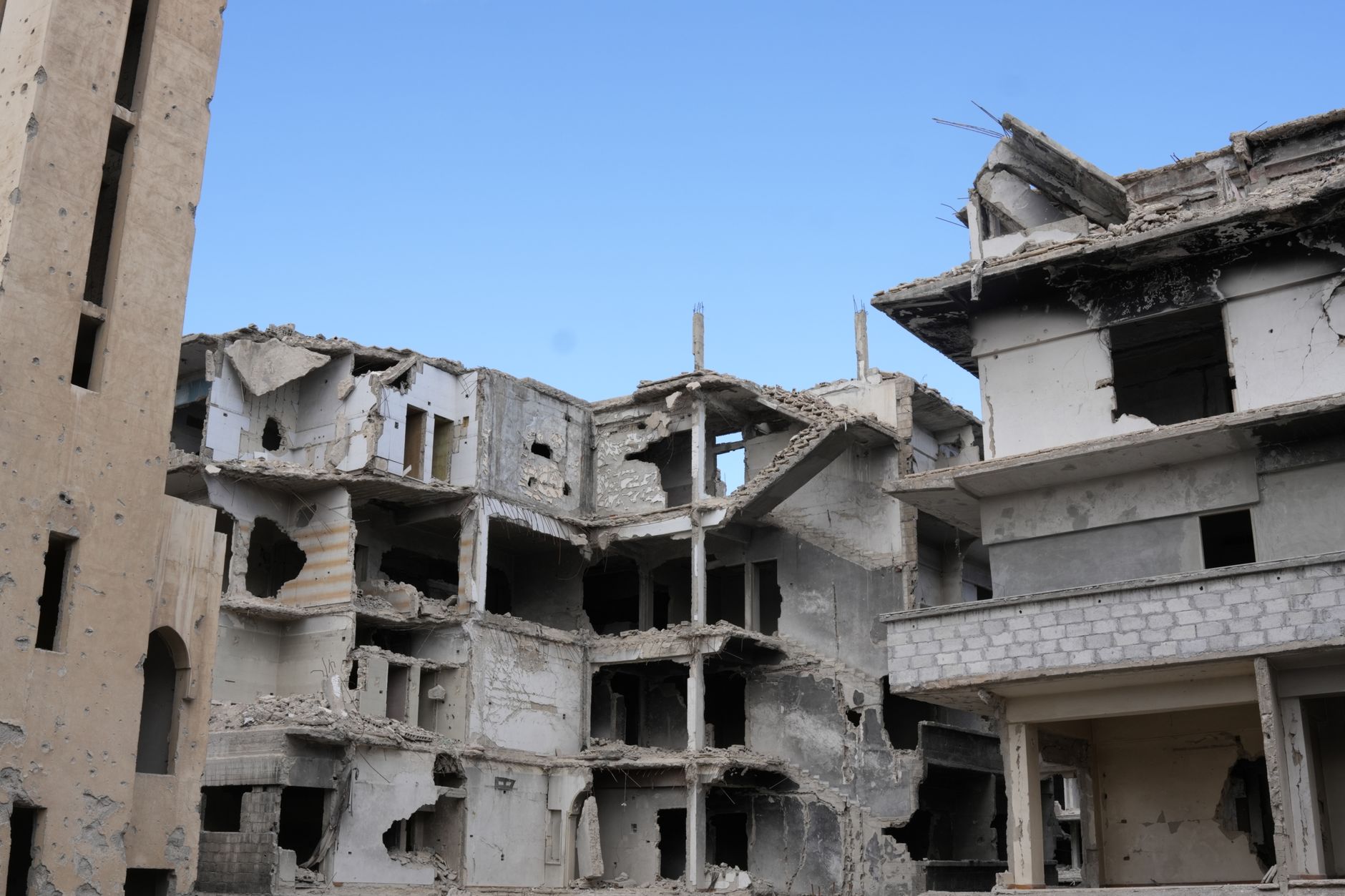
The US launched a sixth night of strikes against Iran, targeting military sites, but Iran reports civilian infrastructure hit. The Strait of Hormuz remains blocked amid escalating hostilities.
The United States launched a new wave of strikes against Iran for a sixth consecutive night, its military confirmed, as the two countries continued their battle for control of the strategic Strait of Hormuz. US Central Command (Centcom) said the attacks aimed to “further degrade Iranian military capabilities,” while Iran’s state media reported that civilian infrastructure — including bridges, a train station and an airport — had been struck.
Escalation in the Strait of Hormuz
Centcom stated that American forces targeted “dozens of Iranian military targets” in the latest round of strikes, which ended early Friday local time. The list included coastal surveillance and air defense sites, military logistics infrastructure, and maritime capabilities. However, the US did not mention hitting any bridges or civilian structures. Independent verification by the BBC confirmed an attack on a bridge west of Bandar Abbas in Hormozgan province, raising questions about the scope of the strikes.
The renewed hostilities have kept the Strait of Hormuz — a critical waterway for global oil shipments — effectively closed. Iran had blocked the strait in response to earlier US-Israeli strikes. The US has imposed a blockade on Iranian ports, with Centcom reporting that marines boarded an oil tanker in the Gulf of Oman and redirected three commercial vessels attempting to run the blockade.

Iran’s accusation of civilian strikes
Iran’s state news agency IRNA reported that seven people were killed in the latest US strikes. The agency accused the US of targeting Iranshahr Airport in southeastern Iran, a railway station in coastal Bandar Khamir, and five bridges in the port city of Bandar Abbas. US missiles also struck close to the island of Qeshm and in Bushehr, the site of a nuclear power plant. The White House and Centcom had not commented on the accusations at the time of reporting.
Earlier this week, US President Donald Trump threatened to strike Iran’s bridges and power plants if the country did not return to negotiations. In April, Trump had made a similar threat, prompting UN human rights chief Volker Türk to warn that “deliberately attacking civilians and civilian infrastructure is a war crime.” The 1949 Geneva Conventions prohibit attacks on sites essential for civilian survival.
Diplomatic overtures amid military action
Despite the escalation, White House press secretary Karoline Leavitt said Thursday that President Trump remained open to talks with Iran. “The president will hold them accountable when they turn their back on the words that they state to the United States. But he is always open to diplomacy at the very same time,” she told reporters. Leavitt added that Iran has expressed interest in a deal, but warned that Trump “is not going to allow them to fire on ships in the strait without paying a consequence.”
Iran’s top negotiator, Mohammad Bagher Ghalibaf, told state media that Tehran had “no reason” to abide by any agreement that did not benefit the country. He said Iran’s national security depended on maintaining what he described as “Iranian interests.” Iran also claimed to have struck US military infrastructure in Kuwait and Bahrain earlier Friday, retaliating for what it called American attacks on its civilian facilities.

Global implications and next steps
The continued blockade and airstrikes are straining the already fragile preliminary deal to end the broader conflict. The Strait of Hormuz remains closed, threatening global oil supplies and raising tensions across the region. With both sides accusing each other of targeting civilians and military infrastructure, the risk of a wider war looms large. Diplomatic channels appear open but fraught, as each side demands the other make concessions. The coming days will determine whether the cycle of retaliation can be broken or whether the conflict will escalate further.