Houthis declare naval blockade on Saudi Arabia as US hits Iran

Yemen's Houthis announced a naval blockade on Saudi Arabia, raising energy supply risks, as US launched a 10th night of strikes on Iran and Tehran retaliated.
Yemen’s Iran-aligned Houthi rebels announced a naval blockade against Saudi Arabia on Tuesday, opening a new front in the escalating conflict between the United States and Iran and threatening global energy supplies. The declaration came despite signs that both Tehran and Washington remain open to diplomacy, as the US launched its 10th consecutive night of strikes against Iran.
Houthi Blockade Announcement
The Houthis said the blockade is retaliation for what they call an unjust siege on Yemen by Saudi Arabia, imposing a maritime embargo effective immediately under an 'eye for an eye' principle. The group specifically targets Saudi ports, though analysts note it is unclear if they will proceed to attack vessels. Mohammed Albasha, a Yemeni analyst, said the announcement alone is likely to disrupt shipping and create uncertainty for Saudi ports, even if no ships are attacked. Saudi Arabia condemned the move as maritime piracy and vowed to respond with force, with its coalition in Yemen saying it would implement safety measures for ships passing through the Bab el-Mandeb Strait. The coalition stressed that such threats violate international law.

US Strikes and Iranian Retaliation
US President Donald Trump ordered a new round of strikes targeting Iranian military command centers, maritime capabilities, missile and drone launch sites, and air defense systems. The US military said the operations aim to degrade Iran’s ability to continue attacking commercial vessels in the Strait of Hormuz. Shortly after, Iranian state television reported explosions in coastal cities, including Bandar Abbas and Chabahar, and air defense systems were activated near the Bushehr nuclear power plant. Iran’s army claimed it had struck US missile systems at Kuwait’s Arifjan base with surface-to-surface missiles, while Kuwaiti state media reported sirens sounding. Meanwhile, the United Kingdom Maritime Trade Operations center received multiple reports that a tanker was hit by an unknown projectile near Limah in Oman, within the Strait of Hormuz.
Global Oil and Shipping Impact
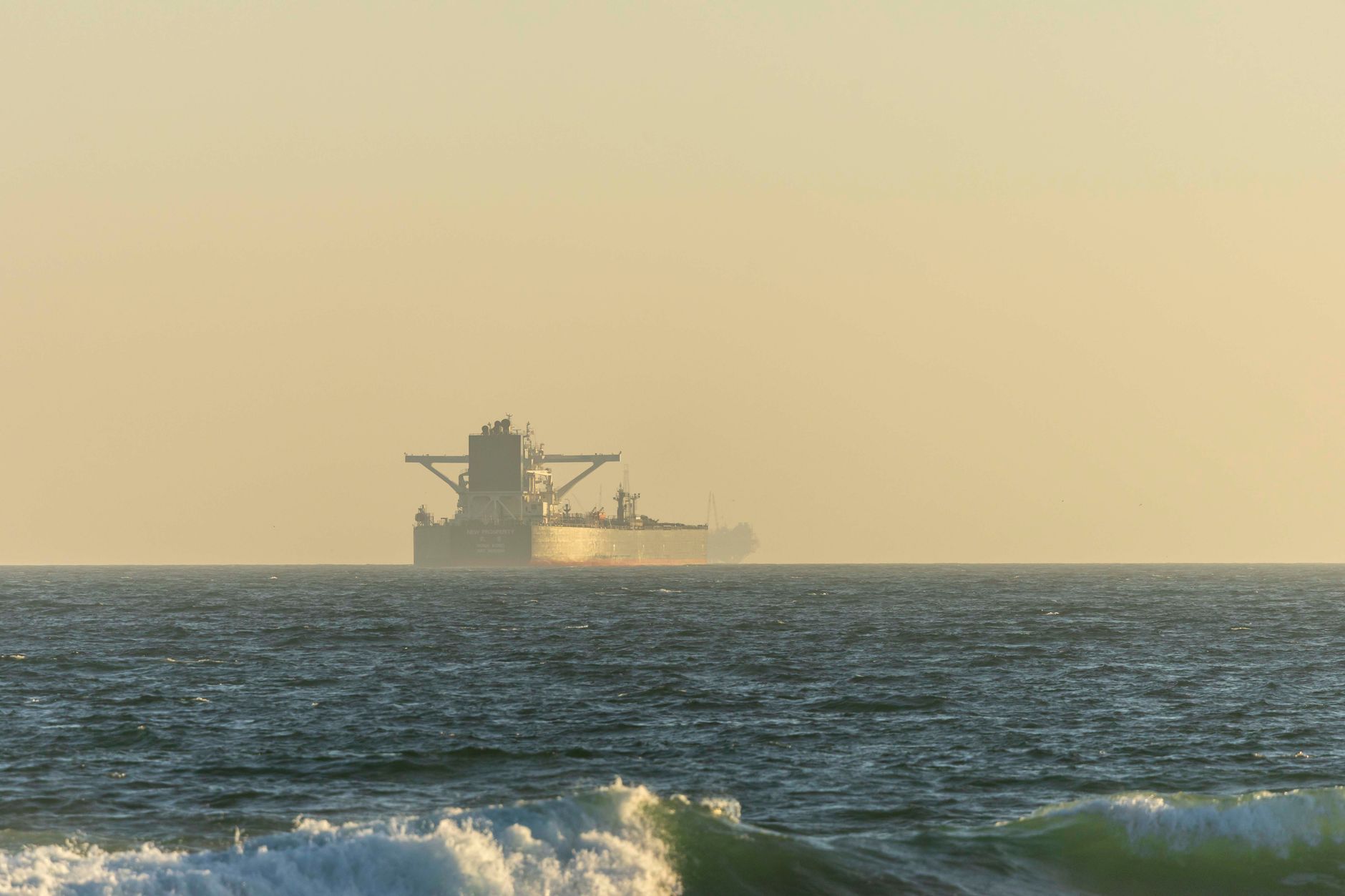
The Houthi blockade threatens to reduce global oil supply by 7% if fully enforced, as it would effectively cut off most Saudi oil exports passing through the Bab el-Mandeb gateway. This disruption compounds existing losses from the Gulf conflict, which has already cut shipments by 10% of global supply. Oil prices rose briefly after the Houthi announcement but later fell as traders held out hope for a diplomatic breakthrough. Insurance costs for shipping goods through the Red Sea have increased due to heightened risks. The Strait of Hormuz remains a critical chokepoint, and the US strikes are aimed at ensuring its security.
Diplomatic Hopes
Despite the escalation, Iran’s Foreign Ministry said mediators have presented proposals to Tehran, indicating diplomatic contacts remain active. However, the latest attacks risk undermining a fragile interim agreement signed last month, which has already been severely strained by the cycle of strikes.
The situation remains highly volatile. The Houthi blockade threat, coupled with the US-Iran military exchanges, raises the stakes for global energy security and trade. Whether the Houthis move from threats to direct action, and whether diplomatic efforts can gain traction, will determine the next phase of this widening conflict.