Republicans Push $95B Defense Budget Amid Inflation Criticism
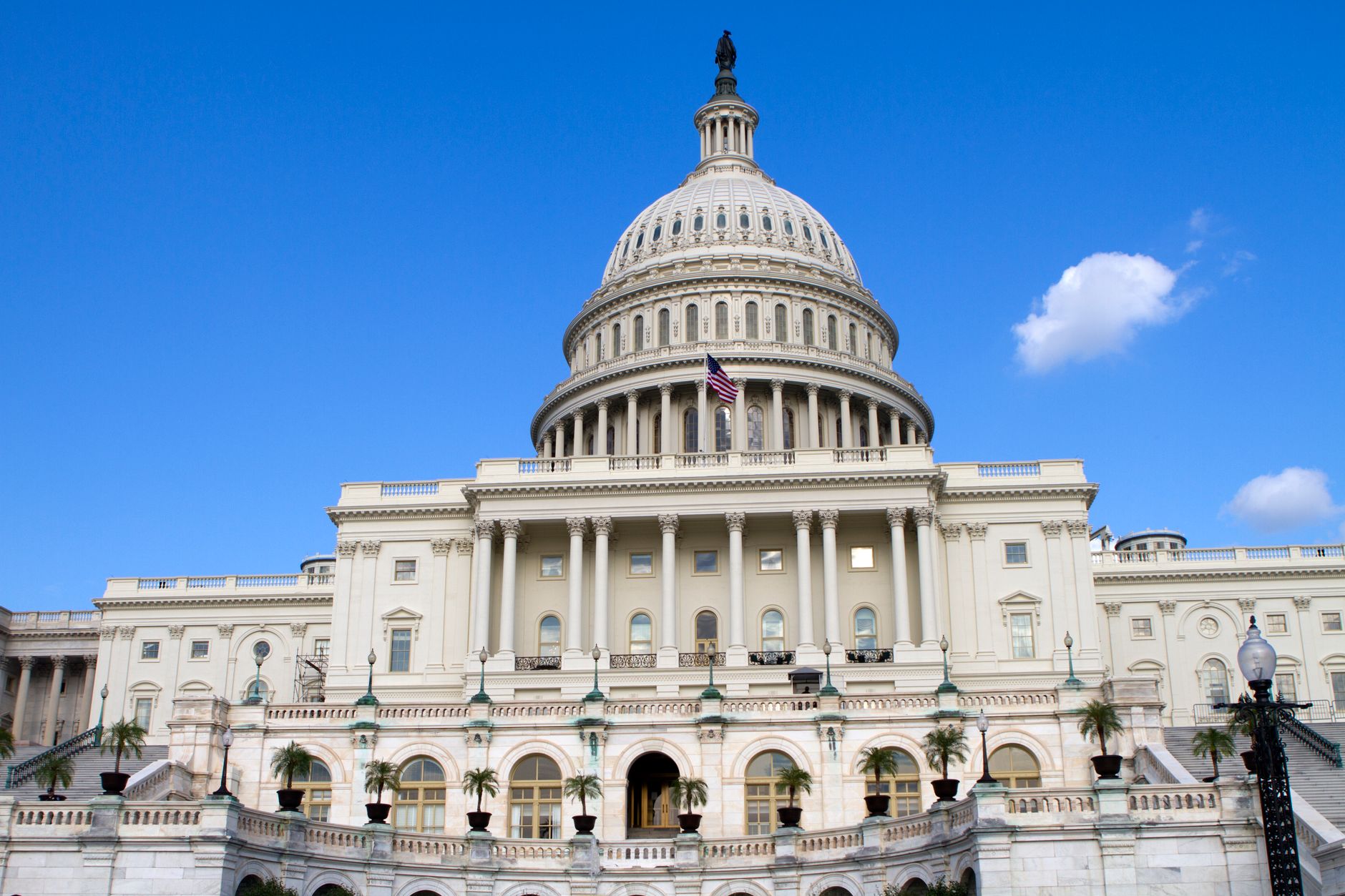
House Republicans advance a $95 billion defense spending plan while Democrats accuse them of ignoring voters' top concerns over rising prices for gasoline and food.
House Republicans are pressing forward with a $95 billion defense budget proposal, drawing sharp criticism from Democrats who argue the party is neglecting the economic pressures that voters rank as their top priorities. The spending plan, which includes funding for military readiness and modernization, has become a flashpoint in the debate over fiscal priorities amid persistent inflation.
Defense Spending vs. Inflation Concerns
The proposed budget allocates significant resources to the Department of Defense, including upgrades to weapons systems, increased troop pay, and investments in cybersecurity. Republicans argue that a robust national defense is essential to counter global threats and maintain U.S. military superiority. However, Democrats contend that the focus on defense comes at the expense of addressing the soaring costs of gasoline, food, and other essentials that strain household budgets across the country.
Polls consistently show that voters rank inflation and the cost of living as their primary concerns, well ahead of foreign policy or defense issues. Democrats have seized on this disconnect, accusing Republicans of prioritizing military spending over economic relief for working families. “While Americans struggle to fill their gas tanks and put food on the table, House Republicans are pouring billions into the Pentagon without a corresponding plan to curb rising prices,” said a Democratic spokesperson, speaking on background.

Political Battle Over Budget Priorities
The defense budget debate is just one front in a broader fiscal war between the two parties. Republicans have blocked several Democratic initiatives aimed at lowering consumer costs, including proposals to temporarily suspend the federal gas tax and expand subsidies for child care. Instead, they have insisted on tying any spending increases to offsets elsewhere in the budget, a stance that Democrats view as obstructionist.
The $95 billion figure represents an increase over current defense spending levels, which some fiscal hawks within the GOP have also questioned. Yet party leadership has rallied support by framing the budget as a necessary investment in national security, particularly amid tensions with China and Russia. The proposal also includes funding for missile defense and nuclear modernization, areas that have drawn bipartisan support in previous years.
Voter Sentiment and November Midterms
With the November midterm elections approaching, the budget battle carries significant political consequences. Analysts note that while defense spending traditionally enjoys broad support across the political spectrum, the current economic climate has shifted voter priorities. A recent survey found that more than 70% of voters rate inflation as a top concern, while foreign policy ranks near the bottom.
Democrats are betting that hammering the GOP on price stability will resonate with swing voters, particularly in suburban districts where costs have risen sharply. Republicans, however, are countering by accusing Democrats of undermining military readiness and caving to progressive demands for cuts. The defense budget is expected to pass the House along party lines, but its fate in the Senate remains uncertain, where moderate Republicans may push for amendments addressing economic relief alongside military spending.

Looking Ahead
As the budget process moves forward, both parties are digging in for a protracted fight. The outcome will likely hinge on whether Republicans can maintain unity on defense spending while simultaneously addressing voter anger over inflation. In the meantime, the divide underscores a fundamental disagreement about the role of government spending in an era of rising prices. For voters, the choice in November may come down to which party they trust more to manage the nation’s finances and security simultaneously.