US 'hit Iran very hard', Trump says, as both inch closer to all-out war
The United States launched new airstrikes against Iran overnight, with President Trump declaring they 'hit them very hard' in retaliation for recent attacks. Oil prices surged past $91 a barrel as the conflict threatens to spiral into a full-scale war.
The United States launched a fresh wave of airstrikes against Iran early Monday, escalating a conflict that has now claimed the lives of 17 American service members. President Donald Trump, returning to Washington after the World Cup final, told reporters, "We hit them very hard again tonight, and we did that in honor of the, probably three, it's probably three great patriots." The strikes mark the ninth consecutive night of US attacks on Iranian targets, and oil prices have climbed to over $91 a barrel—the highest in more than a month—as tensions threaten to engulf the region.
Escalating Strikes and Casualties
The US military said its latest strikes targeted Iran's paramilitary Revolutionary Guard in retaliation for a Friday attack in Jordan that killed American troops. One service member remains missing, and the military reported on Sunday that "unidentified remains" were found and are being examined. In a separate incident, a US service member was killed in Iraq on Saturday during the "controlled detonation" of a downed Iranian drone. The Pentagon confirmed that since the conflict began, 17 US personnel have been killed.
Trump expressed regret over the fatalities, stating, "We feel very badly," but insisted the mission was to prevent Iran from obtaining a nuclear weapon. "Those who died were fighting so that Iran cannot have a nuclear weapon," he added.

Economic Fallout: Oil Prices Surge
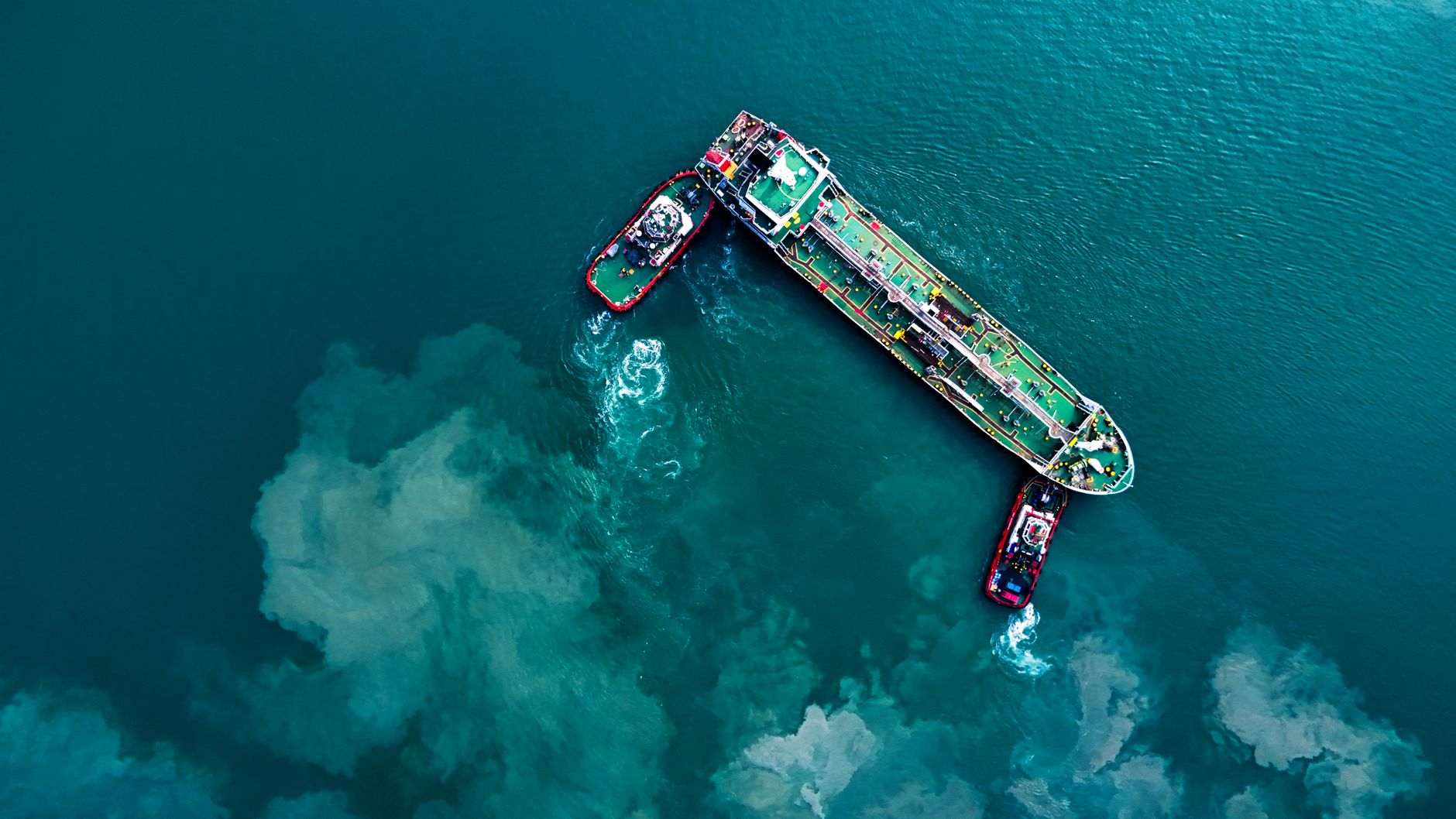
The escalating hostilities have sent shockwaves through global energy markets. Benchmark crude oil surpassed $91 a barrel on Monday, the highest level in over a month, as shipping traffic in the Strait of Hormuz—a critical chokepoint for oil shipments—has largely stalled. Analysts warn that a prolonged disruption could push prices even higher, threatening the global economic recovery. The Strait of Hormuz handles about a fifth of the world's oil consumption, and any sustained blockade could have severe consequences.
Diplomatic Breakdown and Regional Spillover
The latest violence underscores the collapse of an interim deal signed last month that was intended to permanently end the fighting. Instead, both sides have stepped up attacks, targeting civilian infrastructure relied upon by millions. Iran fired missiles toward Jordan on Sunday, raising fears that the conflict could spill over into neighboring Israel and draw in other regional powers. The US strikes have focused on Revolutionary Guard positions, but the lack of restraint on both sides has led to a steady march toward all-out war.
Trump's comment that the US "hit them very hard" was seen as a direct signal that Washington remains committed to a military solution, despite growing international calls for de-escalation. The United Nations has urged both parties to return to negotiations, but no diplomatic off-ramp appears imminent.

What's Next?
As the US enters its ninth night of strikes and Iran continues its missile attacks, the path forward remains uncertain. With oil prices climbing, shipping lanes disrupted, and casualties mounting, the risk of a wider regional war is higher than ever. The Trump administration has not outlined a clear endgame, and analysts fear that without a renewed diplomatic push, the conflict could spiral into a prolonged and devastating confrontation. For now, both sides appear locked in a cycle of retaliation, inching closer to the brink of all-out war.