U.S. deploys B-1 bomber as attacks on Iran intensify
The U.S. deployed a B-1 bomber for the first time since fighting with Iran resumed, striking IRGC targets. The escalation comes as diplomatic efforts stall and Houthi attacks threaten Red Sea shipping.
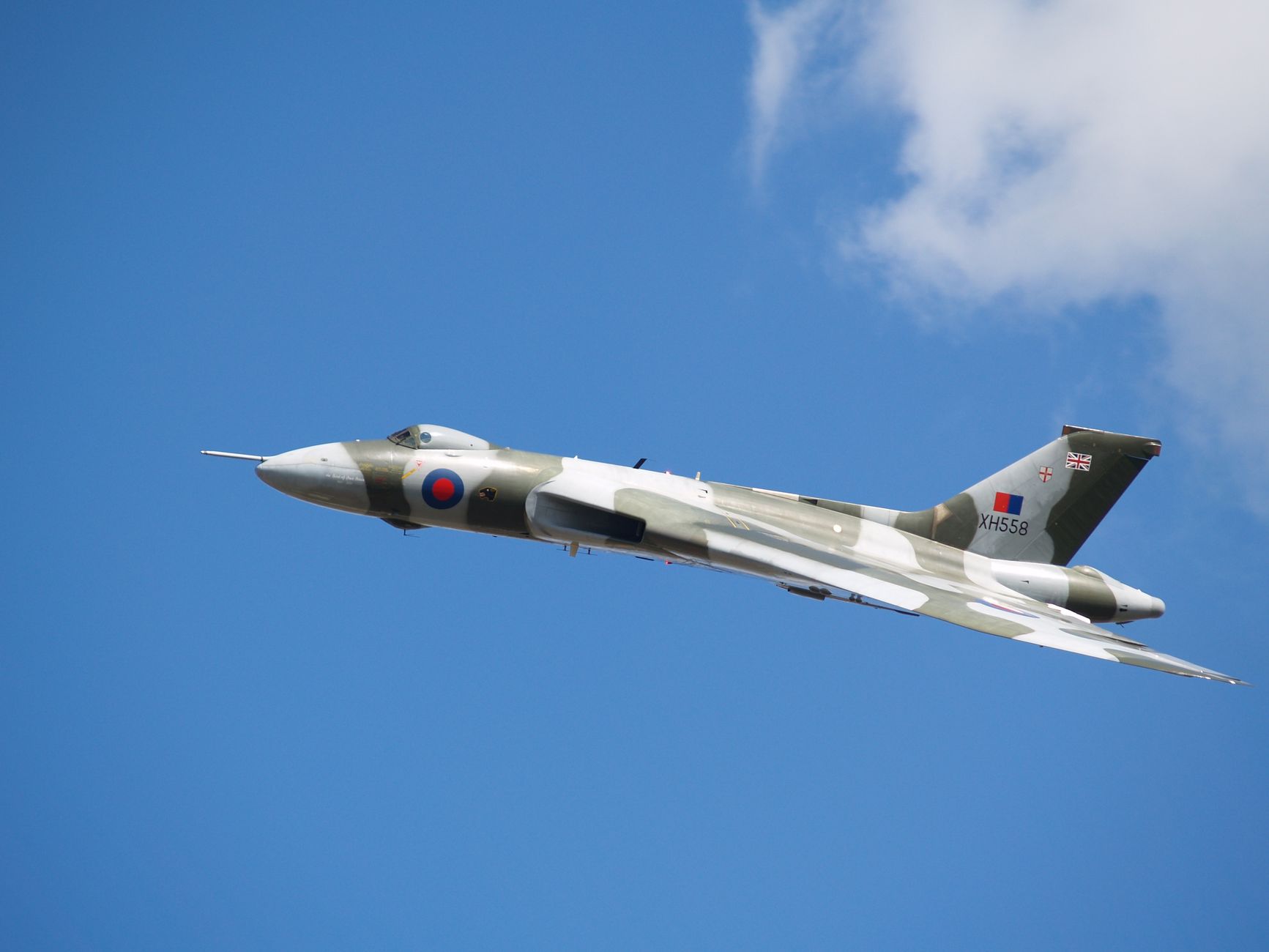
The U.S. military deployed a B-1 long-range bomber on Tuesday to strike Islamic Revolutionary Guard Corps (IRGC) targets in Iran, U.S. officials said, marking the first use of the heavy bomber since hostilities resumed 12 days ago. The mission signals a significant expansion of the U.S. air campaign, as the B-1 carries one of the largest bomb loads of any bomber, capable of delivering two dozen 2,000-pound bombs or dozens of cruise missiles.
A New Level of Air Power
The B-1 launched from an airbase in the United Kingdom and was spotted on civilian plane-tracking websites, underscoring the operational reach of the strike. The U.S. Central Command (CENTCOM) did not explicitly mention the B-1 mission in its statement that day, which described attacks on Iranian military operations centers, maritime capabilities, aircraft hangars, drone storage facilities, and logistics infrastructure. According to CENTCOM, the strikes aimed to further degrade Iran's ability to threaten commercial shipping in the Strait of Hormuz. It remains unclear what specific targets the B-1 struck and whether its massive payload proved more effective than other recent missions. During the earlier Operation Epic Fury, the U.S. conducted several B-1 sorties against missile bases, command centers, and air defense systems.
Stalemate on the Strait of Hormuz
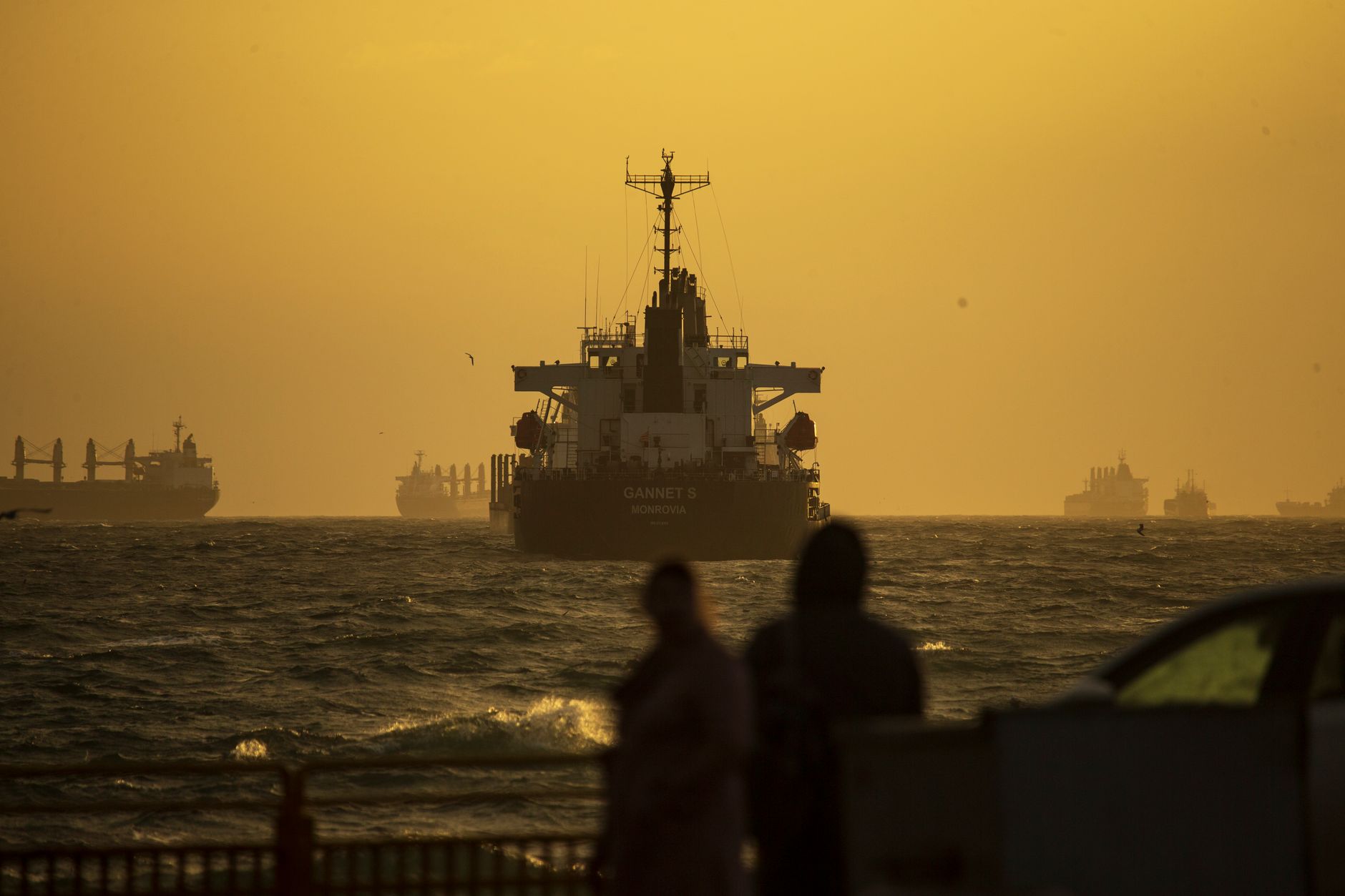
Despite the intensified bombing, Iranian positions show no apparent shift. Tehran continues to conduct attacks on U.S. bases in the region and has not altered its stance regarding the Strait of Hormuz, a vital waterway for global oil shipments. U.S. defense officials are divided on the effectiveness of the campaign: some assert that Iran's military capability around the strait is almost entirely destroyed, while others warn that Iran retains the capacity to strike ships. On Wednesday, President Donald Trump threatened to bomb bridges and power plants, including in Tehran, if Iran attacks more vessels in the strait. Iran responded by threatening infrastructure in Gulf countries allied with the United States, raising the stakes in the confrontation.
Houthi Attacks Open a New Front
In a related development, Houthi rebels attacked Saudi ships on Wednesday for the first time since announcing a blockade on Saudi ports. According to a U.S. defense official, the Houthi attacks — after months of relative quiet — may be motivated by Iran, which seeks to open a new front in the Red Sea to pressure another critical oil shipping route. The Bab el-Mandeb Strait, connecting the Red Sea to the Gulf of Aden, saw several commercial vessels change course on Wednesday to avoid potential attacks, highlighting the growing threat to international maritime traffic.

Diplomatic Efforts Falter
Amid the military escalation, diplomatic channels remain active but uncertain. Qatari mediators have been shuttling between U.S., Iranian, and Omani officials to negotiate a deal to reopen the Strait of Hormuz and halt the fighting, sources said. However, one regional source indicated that Iranian leadership has not accepted the latest proposal. President Trump, speaking in Georgia on Wednesday night, said Iran is being hit hard and should want a deal, but he expressed skepticism: "They're not ready to make a deal because every time they make a deal they want to change it." It is unclear how long Trump will allow the diplomatic track to continue before authorizing even broader military operations, which U.S. and Israeli officials say could occur within days.
The deployment of the B-1 bomber, combined with the Houthi attacks and the stalled negotiations, points to a conflict that is both widening and deepening. The coming days may determine whether the United States opts for a ceasefire or turns to major combat operations, as the cost of the campaign — in lives, treasure, and regional stability — continues to mount.