Modi faces farmer revolt as US trade deal stirs China tensions
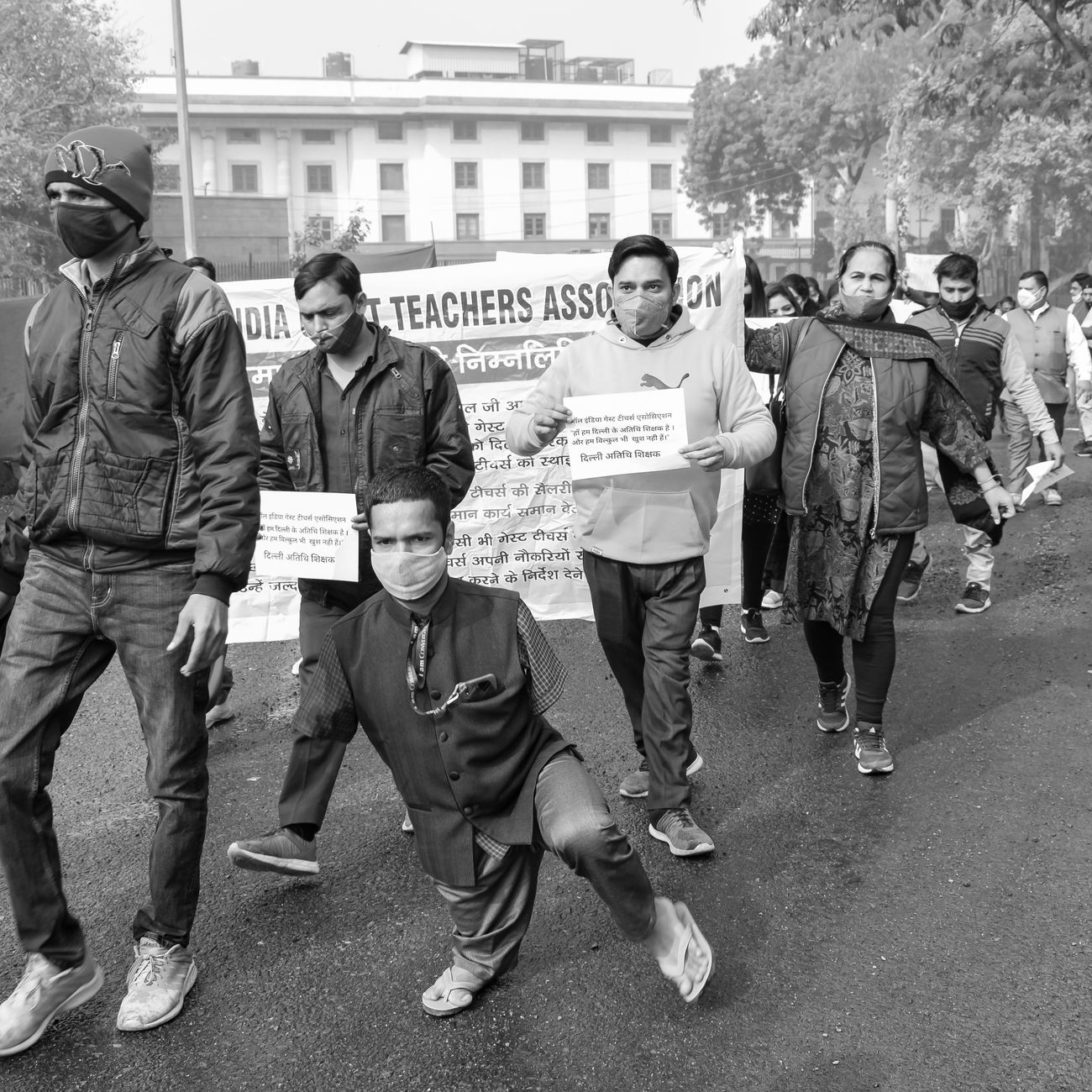
Thousands of Indian farmers march on Delhi to protest a reported trade pact with Washington, exposing PM Modi to a 'perfect storm' of domestic unrest and geopolitical pressure from Trump over Russian oil and China.
Indian Prime Minister Narendra Modi is confronting a growing domestic backlash over a potential trade deal with the United States, as thousands of farmers from the northern state of Punjab marched towards Delhi on Tuesday to oppose what they describe as a 'secret' agreement with Washington. The protest highlights the risks Modi faces as he navigates the US-China trade war, with President Donald Trump ramping up pressure on New Delhi over its purchases of Russian oil and its broader economic ties with Beijing.
Farmers take to the streets
The marchers, many from India's agricultural heartland, accused the government of negotiating a deal that would flood Indian markets with American agricultural products, threatening the livelihoods of millions of small-scale farmers. The protest is the most visible sign yet of domestic unease over Modi's strategic alignment with the United States, which has been accelerating under the Trump administration's drive to redirect agricultural exports displaced by the US-China trade conflict. Sadanand Dhume, a senior fellow for India, Pakistan and South Asia at the Council on Foreign Relations, described the situation as a 'perfect storm of geopolitical turmoil and domestic political unrest' for the Indian leader.
The geopolitics of trade
US pressure on Russian oil and China ties
Modi’s balancing act is complicated by Washington’s demands that India reduce its reliance on Russian energy imports and limit its economic engagement with Beijing. The Trump administration has been pushing New Delhi to join a coalition of nations sanctioning Russian oil, while also seeking to curb India's trade with China. The proposed trade deal is seen as a key lever in this effort: in exchange for preferential access to US markets for Indian goods, Modi would be expected to take a tougher stance on both Russia and China. However, such a move risks alienating domestic constituencies that benefit from cheap Russian oil and trade with China, as well as antagonizing Beijing at a time when border tensions remain high.
Domestic political risks
The farmer protests come at a particularly sensitive time for Modi, who faces state elections in several agricultural states later this year. His government has been criticized for its handling of previous farmers' protests, and a new wave of unrest could further erode his political capital. The opposition has seized on the issue, accusing Modi of selling out Indian farmers to appease Washington. While the government has not confirmed the details of any trade agreement, the lack of transparency has fueled speculation and mistrust. Dhume noted that the 'perfect storm' includes not only external pressures from the US and China but also internal challenges from a restive agricultural sector and a skeptical opposition.
Way forward
Modi must now decide whether to push ahead with the trade deal, which could secure closer ties with Washington and attract US investment, or to recalibrate his approach in response to domestic opposition. The outcome will have significant implications for India's foreign policy stance and its role in the US-China rivalry. Analysts expect the Indian government to seek to reassure farmers and negotiate better terms, but the clock is ticking as Trump continues to demand swift action. The coming weeks will test Modi’s ability to manage competing pressures and navigate one of the most complex political and economic challenges of his tenure.