U.S., Saudi airstrikes hit Iran-backed groups in Iraq
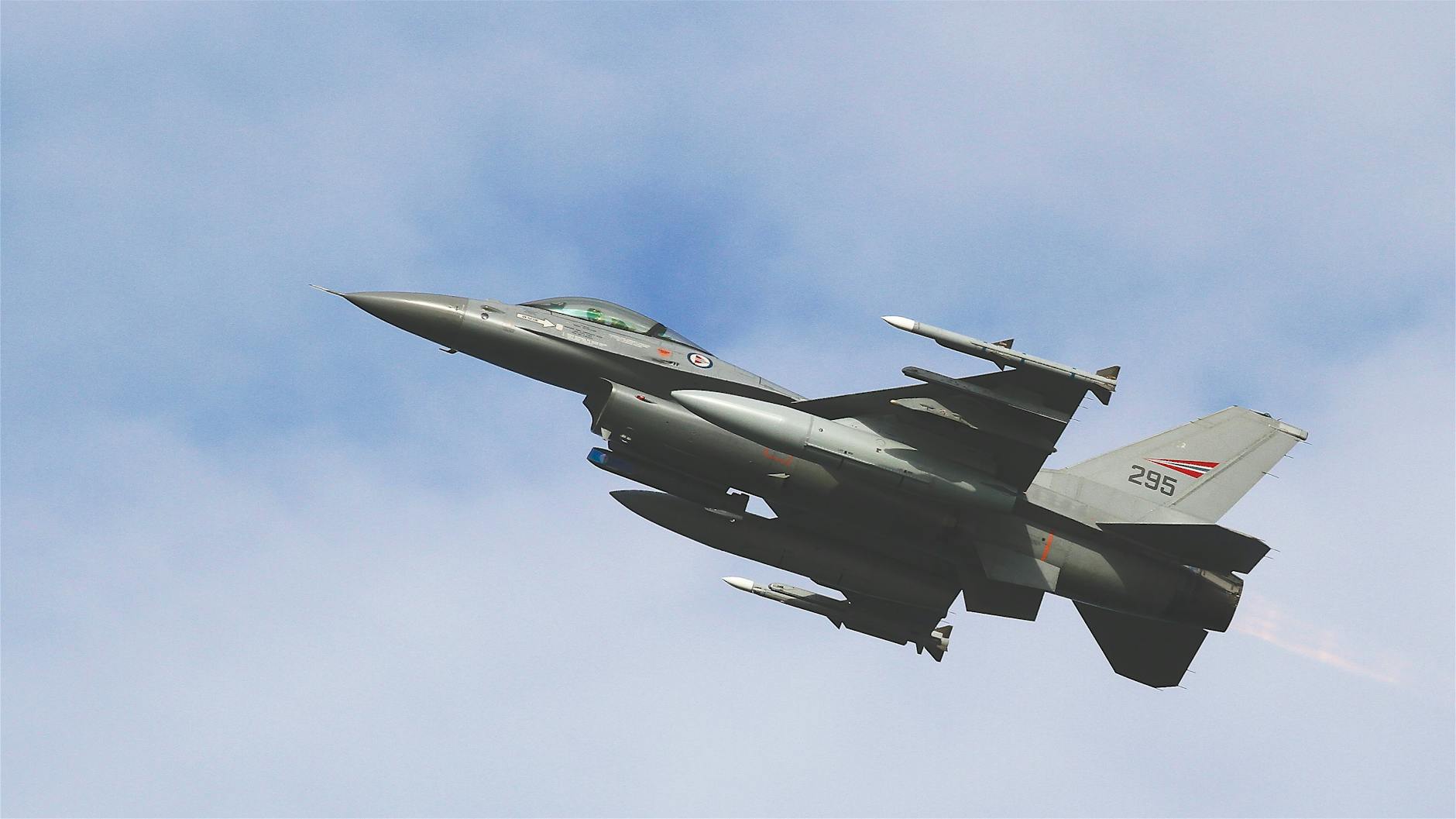
The U.S. and Saudi Arabia launched joint airstrikes on Iranian-backed groups in Iraq after a wave of drone attacks. The strikes come as Trump pursues diplomacy with Iran.
The United States and Saudi Arabia launched joint airstrikes late Tuesday against Iranian-aligned militia positions in eastern Iraq, according to U.S. Central Command, marking a significant escalation in the campaign against Iran's proxies. The operation targeted logistics and weapons sites linked to groups that have launched over 30 attempted drone attacks on American forces and Saudi energy facilities in recent days.
Joint Strikes in Response to Drone Attacks
U.S. Central Command said the strikes were a direct response to the wave of drone attacks, which it described as unsuccessful. The Saudi Ministry of Defense confirmed it conducted precise strikes, citing its right to self-defense. Both countries did not name specific groups, but Iran-backed Shiite militias like Kata'ib Hezbollah, designated as a foreign terrorist organization by the U.S., have previously targeted U.S. forces. CENTCOM alleged the Revolutionary Guard directed the attacks, demanding an immediate halt.
Diplomatic Efforts Amid Continued Tensions
The strikes come after a five-day pause in U.S. attacks on Iranian targets, as President Trump expressed optimism about talks with Iran. Earlier Tuesday, Trump said the U.S. and Iran have held very good discussions but warned he will finish the job if no deal is reached. Iran has stated it is not seeking direct talks. Key sticking points include Iran's control over the Strait of Hormuz and its uranium enrichment program.
Wider Regional Threats
The joint operation unfolded alongside other Iranian-linked hostilities. CENTCOM reported that Iran's Revolutionary Guards launched an attempted surprise attack using ballistic missiles, which were intercepted. Meanwhile, Houthi militants in Yemen fired on Saudi tankers in the Red Sea, threatening another critical waterway. These scattered attacks highlight the breadth of Iran's proxy network across the region.
The latest strikes risk undermining the fragile diplomatic window, but the U.S. maintains its right to self-defense. The coming days will test whether Iran de-escalates or continues its proxy attacks, determining the trajectory of U.S.-Iran tensions.