UN chief hopefuls vow to restore credibility of crisis-hit world body
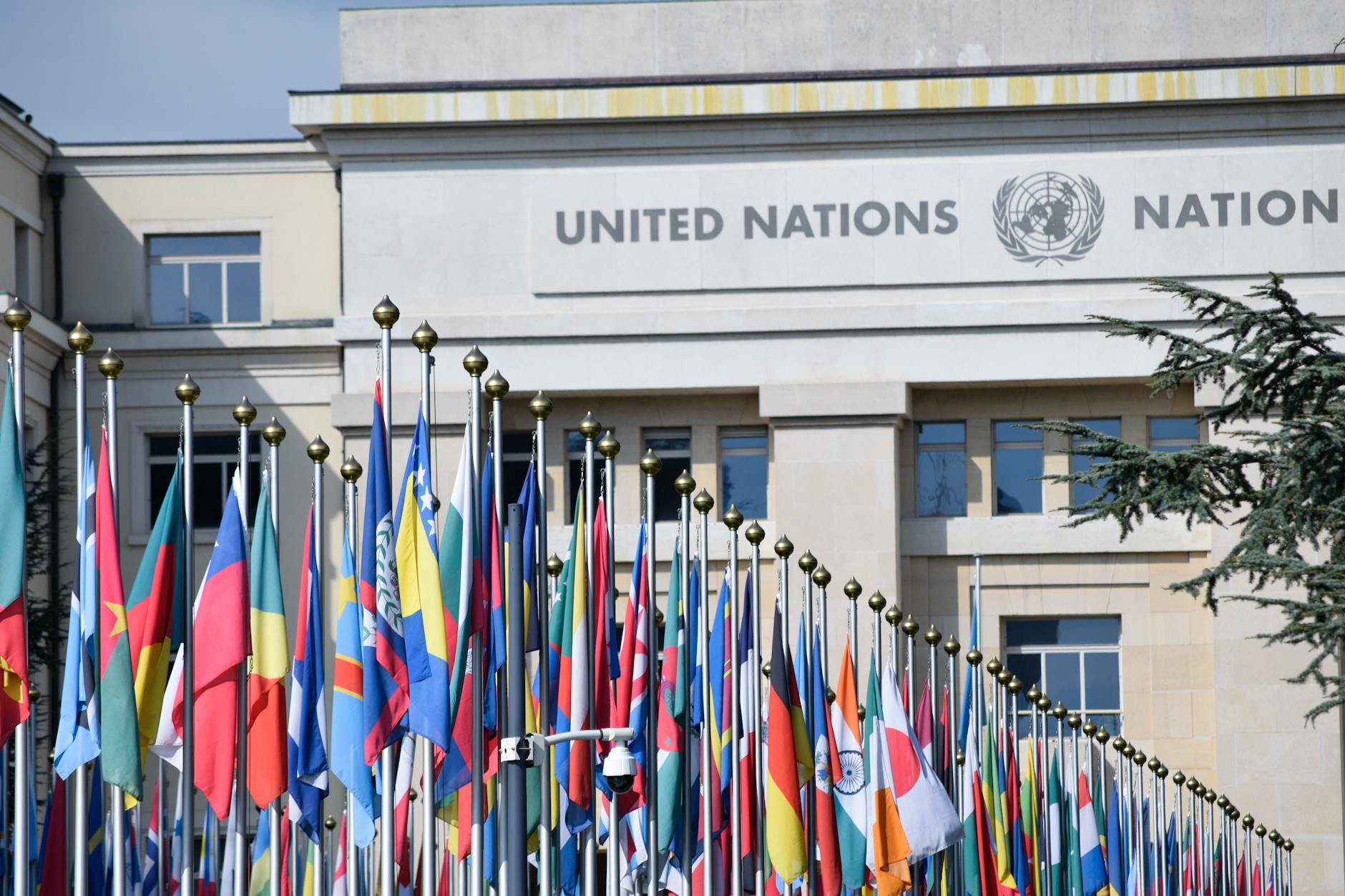
Six candidates to replace Antonio Guterres pitched their visions in a restrained debate, stressing the need to rebuild trust and make the UN more agile amid global conflicts.
With just a week before formal voting begins, six candidates vying to become the next United Nations secretary general presented their visions Thursday, emphasizing the urgent need to restore the organization's credibility as it grapples with a deepening crisis. The debate, held in the General Assembly Hall and broadcast by Bloomberg, gave each hopeful nearly two hours to answer questions from diplomats, UN staff, and civil society representatives. The contenders include Michelle Bachelet of Chile, Maria Fernanda Espinosa of Ecuador, Rafael Grossi of Argentina, Rebeca Grynspan of Costa Rica, Carolyn Rodrigues-Birkett of Guyana, and Macky Sall of Senegal. They are competing to succeed Antonio Guterres, who will leave office on December 31.
A call for relevance and results
Rebeca Grynspan, who currently leads the UN Conference on Trade and Development, set a clear benchmark for success: “Five years from now, I would like nobody to ask me again ‘where is the UN?’ That will be my indicator. I would like to see a UN that is back at the table on the scenarios of conflict,” delivering tangible results on the ground. Her remarks struck a chord in a room where many feel the world body has been sidelined in major crises, from Ukraine to the Middle East. The debate underscored a pervasive sense that the UN must prove its relevance in a fractured geopolitical landscape.

National experience as a selling point
Several candidates highlighted their national leadership credentials as preparation for the top UN job. Macky Sall, the former president of Senegal, vowed to use his first 100 days “to restore trust and put the UN on a path to become more agile, more effective, and more ready to listen, listen, act, and bring people together.” Former Chilean President Michelle Bachelet, who also served as UN High Commissioner for Human Rights, pointed to her dual experience in national governance and international human rights advocacy. Ecuador’s Maria Fernanda Espinosa, a former foreign minister and General Assembly president, emphasized her diplomatic track record in building consensus. The candidates stressed their ability to speak with all sides, a crucial skill in an era of heightened polarization.
No clear front-runner emerges
The campaign so far has struggled to generate enthusiasm for a clear front-runner, leaving the race wide open. While Bachelet is widely known, her tenure as human rights chief drew both praise and criticism from powerful states. Grossi, the head of the International Atomic Energy Agency, brings deep experience in nuclear non-proliferation but may be seen as too technical. Rodrigues-Birkett, a former Guyanese foreign minister, and Espinosa are working to raise their profiles. Sall’s candidacy reflects a push from African nations, who have traditionally rotated the position. The selection process, which begins next week, includes informal straw polls and eventually a vote by the General Assembly.

Implications for the UN’s future
The next secretary general will inherit an organization facing immense challenges: climate change, rising inequality, and conflicts that defy diplomacy. Candidates are aware that restoring trust is not just about rhetoric but about delivering concrete outcomes. The debate highlighted a consensus that the UN must adapt to a multipolar world where traditional power structures are shifting. As voting approaches, the contenders will intensify their lobbying efforts, especially among the five permanent Security Council members, who hold veto power. The ultimate choice will signal whether member states are genuinely committed to reform or prefer a more cautious path.