Kyiv missile attack kills four; Zelenskyy pushes for Starlink
A Russian missile strike on Kyiv killed at least four people as Zelenskyy pushes to use Starlink for attacks inside Russia. Protests and grain export fears also mount.
A volley of Russian ballistic missiles struck Kyiv in the early hours of Saturday, killing at least four people and wounding more than a dozen, according to Ukrainian officials. The attack, which sent more than a dozen explosions echoing across the capital, came as President Volodymyr Zelenskyy intensified his request for US help in gaining access to Starlink satellite services for military strikes inside Russia.
Deadly Barrage Hits Residential Areas
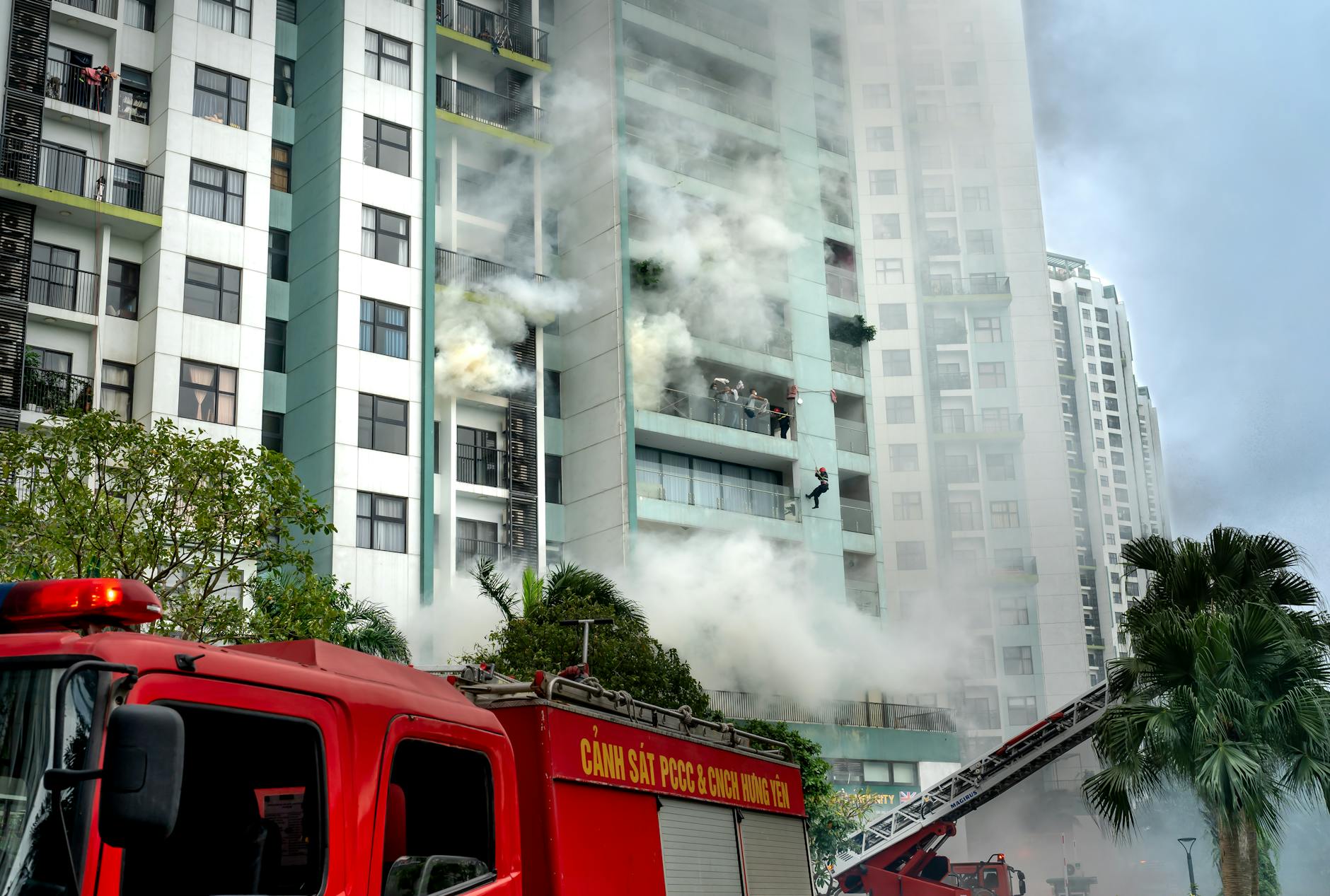
Kyiv’s military administration reported at least four deaths, while Mayor Vitali Klitschko said the number of wounded exceeded a dozen. Firefighters battled a blaze at an apartment building that was hit during the missile attack, and residents were urged to remain in shelters as the threat persisted. The use of ballistic missiles, which give very little warning time, has become a recurring threat to Ukrainian cities.
Zelenskyy’s Starlink Push and the Patriot Setback
According to a person familiar with the matter, Zelenskyy raised the Starlink issue directly with former President Donald Trump during an Oval Office meeting earlier this week. He reportedly made a similar appeal to lawmakers on Capitol Hill, seeking support for Starlink to help guide Ukrainian strikes inside Russia. Elon Musk, the tech billionaire who operates Starlink, currently allows its use within Ukraine, including in Russian-occupied areas, but restricts it inside Russia itself. Trump did not commit to Zelenskyy’s request.
At the same time, Trump appeared to walk back from an earlier suggestion that Ukraine could manufacture its own Patriot air defense interceptors. Asked whether he was ready to grant Kyiv a licence to build Patriots domestically, Trump said: “We have not agreed to that. We’re talking about it, but it’s a hard thing to give away that kind of technology.” He added that the transfer carried risks: “People that you give that technology [to], they can some day turn on you. You know that is possible.”
Outrage Over Defence Minister’s Dismissal
Meanwhile, several thousand Ukrainians gathered in central Kyiv on Friday to protest the dismissal of the reform-minded defence minister, Mykhailo Fedorov. Fedorov, widely credited with driving military innovation during the war, was removed in a surprise government reshuffle in mid-July. Demonstrators have been camped near the presidential office demanding his reinstatement, and Fedorov has refused to accept another government post.
Black Sea Grain Fears and Wildberries Attacks
The war’s ripple effects continue to spread. Russia’s main grain lobby warned on Friday that Ukrainian drone attacks on Russian ships and ports could halt Black Sea grain exports, driving up prices and exacerbating hunger in Africa and the Middle East. Both Russia and Ukraine, major agricultural exporters, have targeted each other’s infrastructure in recent weeks.
In a separate development, the founder and CEO of Russian online retailer Wildberries, Tatyana Kim, accused Ukraine of mounting drone attacks on more than a dozen of its sites since 18 July, calling the strikes “acts of terrorism” against civilians. Ukraine has said the company is a linchpin of Russia’s consumer economy and a vendor to the war effort.
Implications
The latest missile strike and the diplomatic maneuvering underscore the high-stakes nature of the conflict, now in its day 1,620. Zelenskyy’s push for Starlink access and Patriot technology reflects the urgent need for new capabilities to counter Russian aggression. However, with Washington resisting technology transfers, and with domestic unrest simmering in Kyiv, the challenges facing Ukraine’s leadership are mounting. The coming weeks are likely to determine whether the US will loosen its restrictions on both satellite access and advanced weapons production, as the war enters an increasingly complex phase.