Caspian Sea Strike: Ukraine Dismisses Iranian Retaliation Threat
Ukraine struck an Iranian cargo vessel in the Caspian Sea, accusing it of carrying drone parts for Russia. Iran says one sailor was killed and vows retaliation.
Ukraine on Saturday targeted an Iranian cargo vessel in the Caspian Sea, prompting a furious response from Tehran and a sharp dismissal from Kyiv. The attack on the ship Anna killed one sailor and injured several others, according to Iranian officials. Ukraine’s Foreign Minister Andrii Sybiha called Iran's threats of retaliation “unjustified and groundless,” accusing Tehran of being a direct accomplice to Russia’s war against Ukraine.
A direct link between two wars
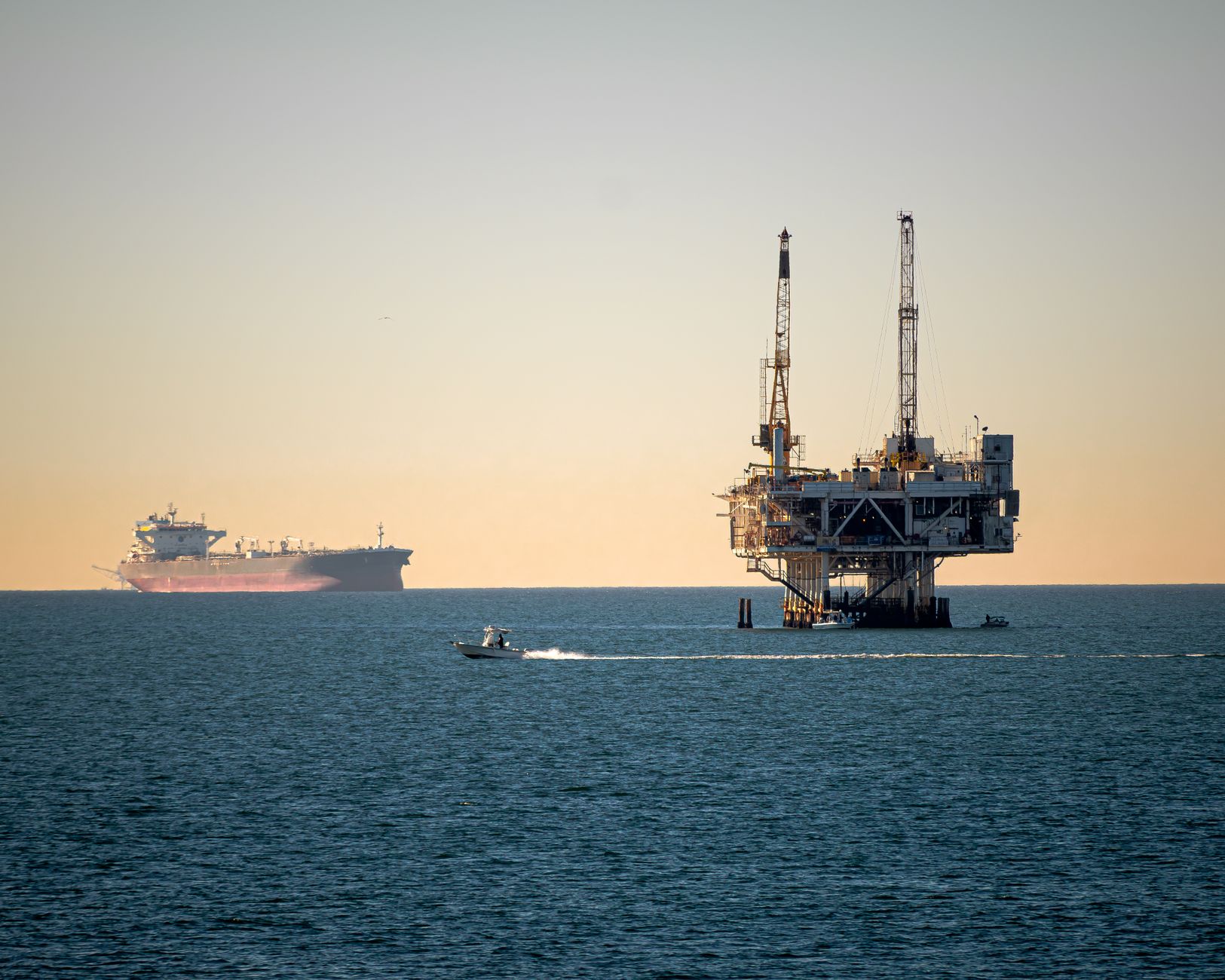
The strike marks the first time Ukraine has directly targeted an Iranian vessel, creating a new and dangerous intersection between the war in Ukraine and tensions in the Middle East. President Volodymyr Zelensky announced “very good results” from long-range strikes in the Caspian Sea, which also hit a Russian missile boat and other cargo ships under international sanctions. The Security Service of Ukraine (SBU) confirmed it used drones to attack an oil platform in the northern Caspian as well.
Ukraine's ambassador to Israel, Yevgen Korniychuk, told Israeli media that the Anna was carrying components for drones and missiles from Iran to Russia, not civilian cargo. He insisted that Ukraine and Israel face the same “axis of evil” on different fronts. Iran’s ambassador to Russia, Kazem Jalali, said the ship was anchored about 5 km from the mouth of the Volga River when it was hit.
Iran’s military role in Ukraine
Iran has supplied Russia with Shahed drones since 2022, which Moscow has modified and used extensively to strike Ukrainian cities, killing hundreds of civilians. Kyiv has long accused Tehran of complicity in those attacks. In a recent interview, Zelensky warned that Iran is also planning to send ballistic missiles to Russia, with some reports suggesting short-range missiles were already being supplied as early as 2024. The Caspian Sea serves as a strategically vital supply route between the two countries, making it a key theater for Ukraine’s efforts to disrupt Russian logistics.
Ukraine has also sent military experts to Gulf states to help them defend against Iranian drone attacks, highlighting the growing interconnection of conflicts involving Iran, Russia, and their adversaries.
Iran’s denial and threats
Iran reacted with fury, denying any involvement in the Russia-Ukraine conflict. The foreign ministry said Iran had “never intervened” in the war. Foreign Minister Abbas Araghchi called the attack “a blatant UN Charter violation done at Israel’s behest to drag Europe into its war,” and added that the incident “CANNOT GO UNANSWERED.” In response, Sybiha posted a graphic overlaying Araghchi’s words with “Iranian lies,” accusing Tehran of deflecting attention from Russia’s attacks on grain ships leaving Ukrainian ports—threats to global food security.
Some analysts question the wisdom of Kyiv’s decision to pick a direct fight with Iran. While Ukraine’s “long-range sanctions campaign” against Russian oil tankers and economic targets has inflicted growing pain on Moscow, provoking a second major adversary could complicate Ukraine’s strategic position.
What comes next
With both sides trading accusations and threats, the Caspian Sea has become a flashpoint where the wars in Ukraine and the Middle East converge. Iran’s vow to answer the strike raises the risk of escalation, even as Kyiv shows no sign of backing down. For Ukraine, the operation disrupts a critical arms supply line; for Iran, it represents a challenge to its maritime security and regional influence. The coming weeks will reveal whether this incident remains a one-off or opens a new front in an already sprawling conflict.