Oil Tankers Explode After Hitting Mines Near Strait of Hormuz
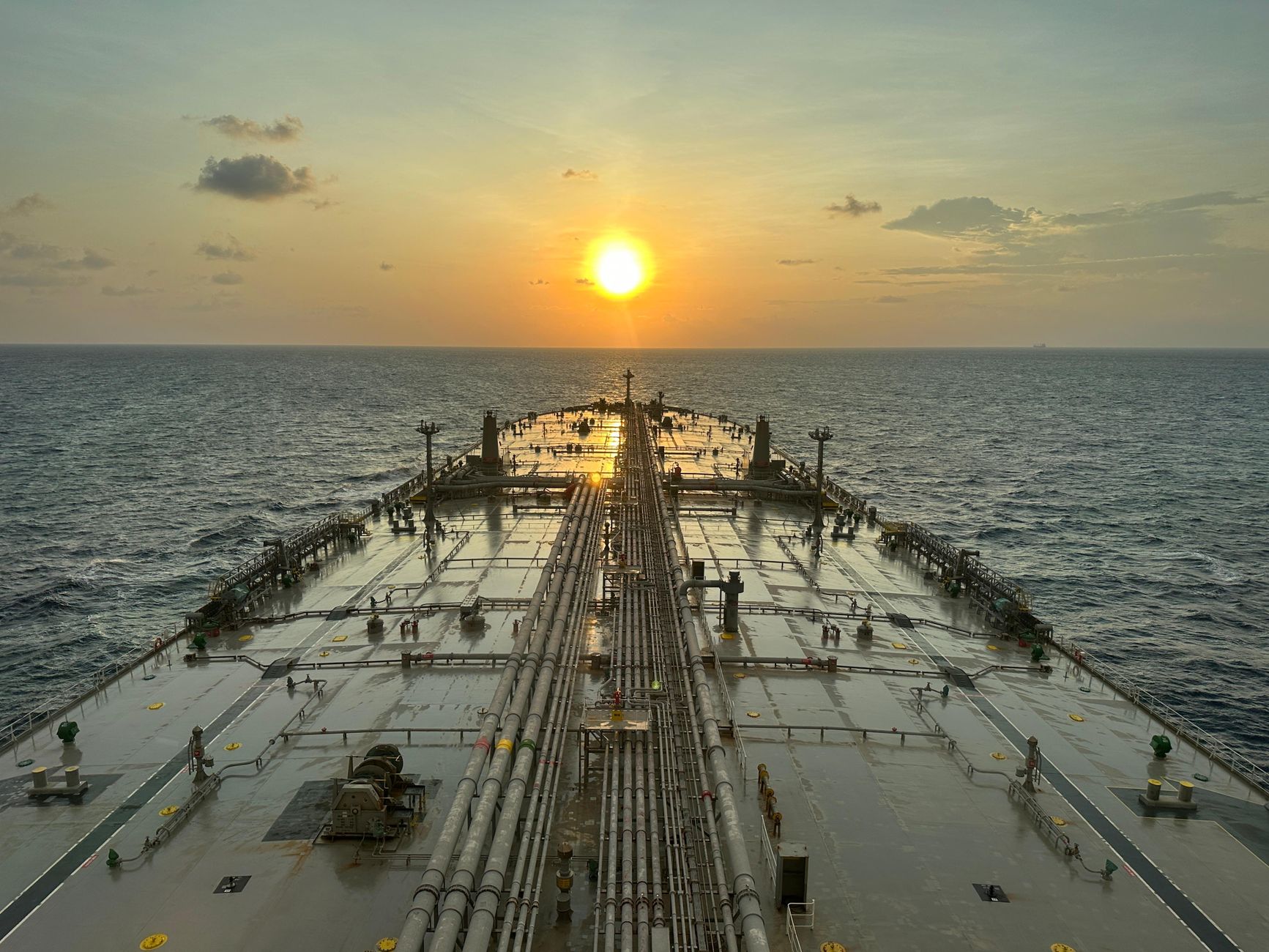
Two oil tankers exploded and caught fire after passing through a mined route south of the Strait of Hormuz, Iran's state TV reported, citing the Revolutionary Guards. The incident highlights ongoing tensions in the strategic waterway.
Two oil tankers exploded and caught fire early Saturday after passing through a mined route south of the Strait of Hormuz, according to Iran's state television, which cited a statement from the Islamic Revolutionary Guard Corps. The incident occurred in a critical chokepoint for global oil shipments, raising immediate concerns about maritime security and regional stability.
Details of the Incident
Iranian state TV reported that the tankers were traveling through a route where mines had been laid, leading to the explosions and subsequent fires. The Revolutionary Guards statement did not identify the vessels' flags or ownership, nor did it specify whether any crew members were injured or killed. The timing and location suggest the blasts were deliberate, though no group has claimed responsibility. The Strait of Hormuz, a narrow passage between the Persian Gulf and the Gulf of Oman, sees about 20% of the world's oil transit daily. Any disruption here can spike global energy prices.
Strategic Context and Precedents
The Strait of Hormuz has been a flashpoint for decades, particularly between Iran and the United States and its allies. In 2019, a series of attacks on oil tankers near the strait were blamed on Iran by Washington, though Tehran denied involvement. Mines have historically been used as a low-cost asymmetric weapon to threaten shipping lanes. The latest explosion comes amid heightened tensions over Iran's nuclear program and ongoing negotiations with world powers. Analysts note that mining a commercial route is a serious escalation that could draw international naval responses.
Implications for Security and Oil Markets
The immediate impact is likely to increase insurance premiums for vessels transiting the strait and prompt naval patrols to sweep for mines. Oil prices have already seen volatility this year, and any prolonged disruption could push prices higher. Environmental risks are also significant: if a tanker leaks its cargo, it could cause a major spill in ecologically sensitive waters. The Revolutionary Guards' readiness to publicize the incident suggests Iran may be signaling its ability to threaten the strait, potentially as leverage in diplomatic negotiations. The international community, including the United States and the United Arab Emirates, is closely monitoring the situation.
Looking Ahead
In the coming days, expect coalition naval forces to conduct mine clearance operations in the area. Shipping companies may reroute vessels or demand enhanced security. If further attacks occur, the response could mirror previous incidents where the U.S. and allies deployed additional warships. The incident also underscores the fragility of global energy supply chains, particularly as they pass through narrow, contested waterways. For now, the priority remains extinguishing fires and assessing the damage, while the world watches for signs of escalation.