Greece helicopter collision kills 2, British pilot survives
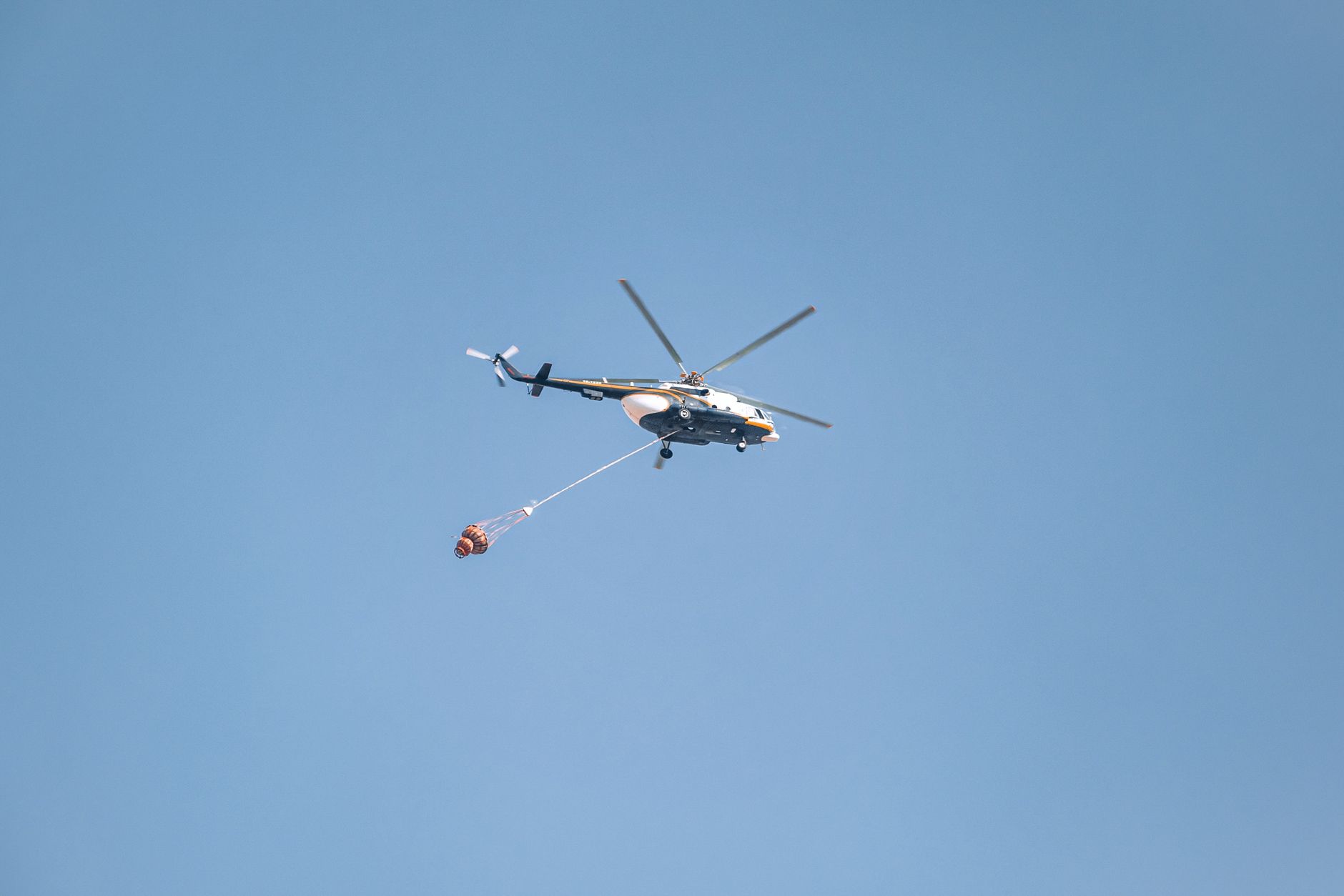
Two crew members died when firefighting helicopters collided over Greece, yet a British pilot survived. The mid-air crash near Athens shocked the nation amid a widening wildfire crisis.
Two crew members were killed and a British pilot survived when two firefighting helicopters collided mid-air over a wildfire zone in Greece on Thursday, authorities said. The dead were identified as a Danish pilot and a Greek fire service liaison officer, while the survivors—a British pilot and another Greek coordinator—escaped with minor injuries.
Deadly collision over Attica-Boeotia
The two Bell helicopters were battling a large wildfire on the Attica-Boeotia border, about 65 kilometers (42 miles) west of Athens, when they clipped each other and plunged into a ravine. Video from the scene showed one helicopter hitting the rotors of the other, which immediately burst into flames. Greek Fire Service officials confirmed both aircraft were leased and had been operating as part of a coordinated firefighting effort involving hundreds of personnel.
Rescue teams reached the wreckage quickly. The crew of one helicopter were found alive, while the two in the other were recovered unconscious and later pronounced dead. The exact cause of the collision is under investigation.

Survivors and immediate response
In a briefing, a source from Greece’s Ministry of Civil Protection told the BBC that the second helicopter made an emergency landing in a low-vegetation area. “The two people on board—a British pilot and a Greek fire service liaison officer—escaped with minor injuries,” the source said. “Both remained conscious and have been admitted to hospital, where they will remain under observation for 24 hours as a precaution.”
Greek Prime Minister Kyriakos Mitsotakis expressed his “deepest sorrow” over the accident, writing on X that the loss of the Greek coordinator and Danish pilot “fills us all with grief.” He sent condolences to their families. Following standard protocol, all Bell helicopters across Greece have been grounded while safety checks are carried out.
Firefighting operations continue using other aircraft, including Erickson Air-Crane and Chinook helicopters, as well as Canadair water-bombers, which are dropping water and retardant on the blazes.
Wildfires grip the region
Greece has been battling multiple wildfires this week as a prolonged heatwave turned vegetation into tinder. More than 500 firefighters have struggled for 72 hours to contain a blaze that has scorched a swath of territory from Porto Germeno to Kefalonia, forcing mass evacuations. Media reports describe “a titanic battle” against flames that have threatened homes and infrastructure.
Elsewhere in Europe, France and Spain have also fought devastating fires, with major blazes near Madrid and Bordeaux. Those have since been contained, and some 300,000 evacuated residents are returning to their homes, though the fires continue to smolder.
Climate and human factors
Most wildfires are ignited by human activity—whether intentional or accidental—but climate change is making conditions more favourable for their spread. Last winter’s mild and wet weather encouraged vigorous vegetation growth, which then dried out during successive heat spells, providing abundant fuel for the flames. Experts warn that such extreme fire seasons are becoming more frequent and intense across southern Europe.
The crash adds a sobering human toll to a summer already marked by evacuations and property loss. As Greece and its neighbours brace for more hot weather, officials are assessing air safety measures and the resilience of firefighting fleets. The grounding of Bell helicopters could strain resources, but authorities insist they are deploying all available assets to protect lives and land. The investigation into this deadly collision will be crucial in determining how to prevent similar tragedies as the region confronts an increasingly volatile fire environment.
