Afghanistan flash floods kill 20, leave 100 missing

Authorities report devastating flash floods in Afghanistan, with 20 dead and 100 missing. The disaster underscores the nation's vulnerability to extreme weather.
At least 20 people have been killed and 100 others are missing after flash floods swept through parts of Afghanistan, authorities said on Sunday. The heavy rains triggered sudden torrents that destroyed homes and swept away vehicles, leaving communities reeling and search-and-rescue operations underway.
The calamity in northern regions
The flash floods struck several districts in northern Afghanistan, an area often hit by seasonal downpours. Local officials reported that entire villages were inundated, with families caught off guard as waters rose rapidly during the night. The missing include women, children, and the elderly, heightening anxiety among survivors. Rescue teams, including military personnel, have been deployed to dig through debris and search riverbanks for survivors.
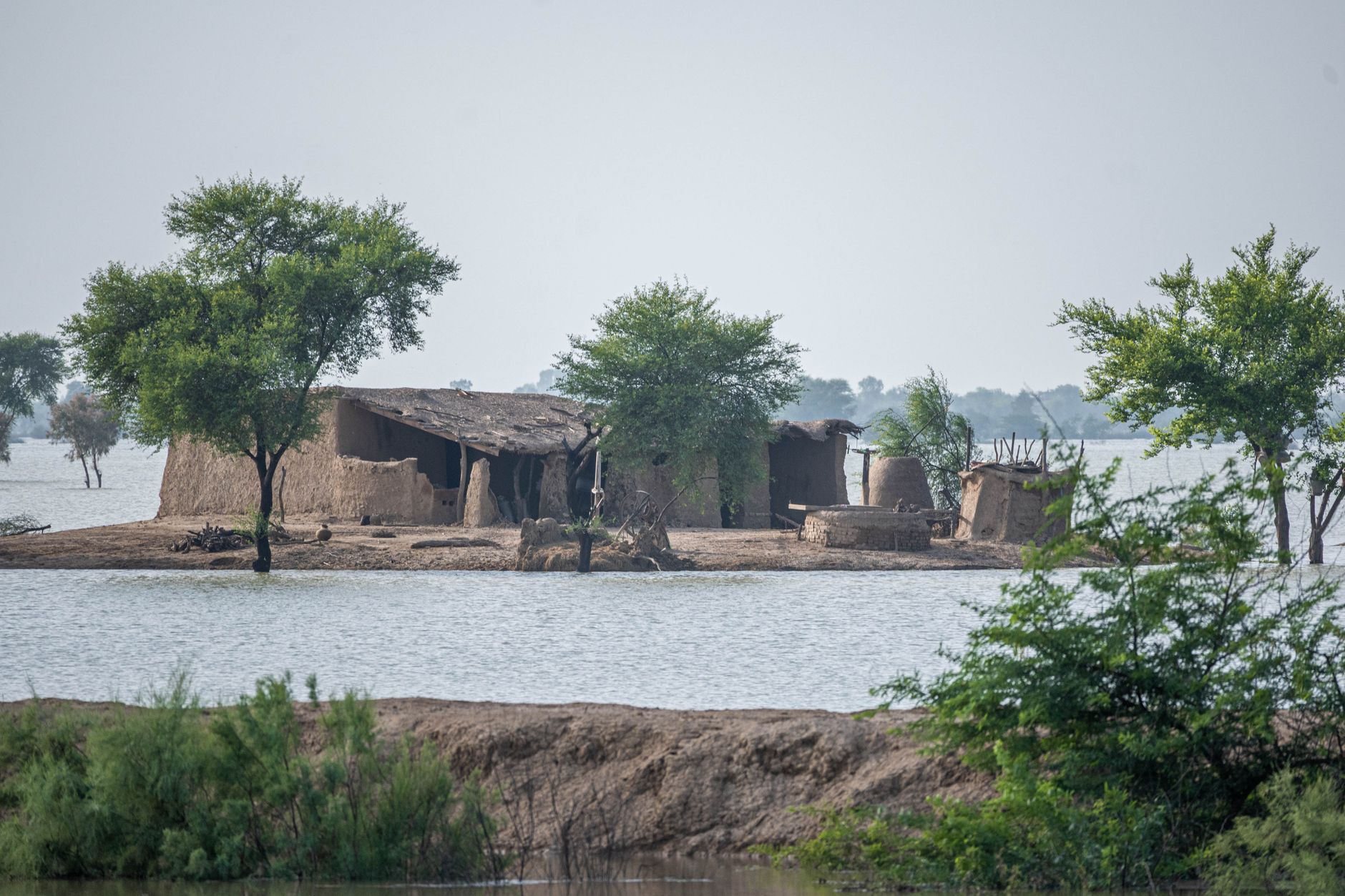
Climate change amplifies risks
Afghanistan is among the nations most vulnerable to the impacts of climate change, which has made some parts of the country more drought-prone and exposed others to more erratic and intense rainfall. The country's fragile infrastructure, with limited drainage and early warning systems, exacerbates the toll of such disasters. Experts have long warned that global warming is increasing the frequency and severity of extreme weather events in Afghanistan, where communities already struggle with poverty and conflict.
Challenges in rescue and relief
Rescue operations face significant hurdles, including damaged roads and bridges that hamper access to remote areas. Many victims are in hard-to-reach mountain valleys, where communication lines have been severed. Mobile phone networks are down in several districts, making it difficult for authorities to coordinate aid. The Afghan Red Crescent and international organizations have mobilized emergency supplies, but distribution remains slow. Authorities fear the death toll could rise as more bodies are recovered from mud and debris.
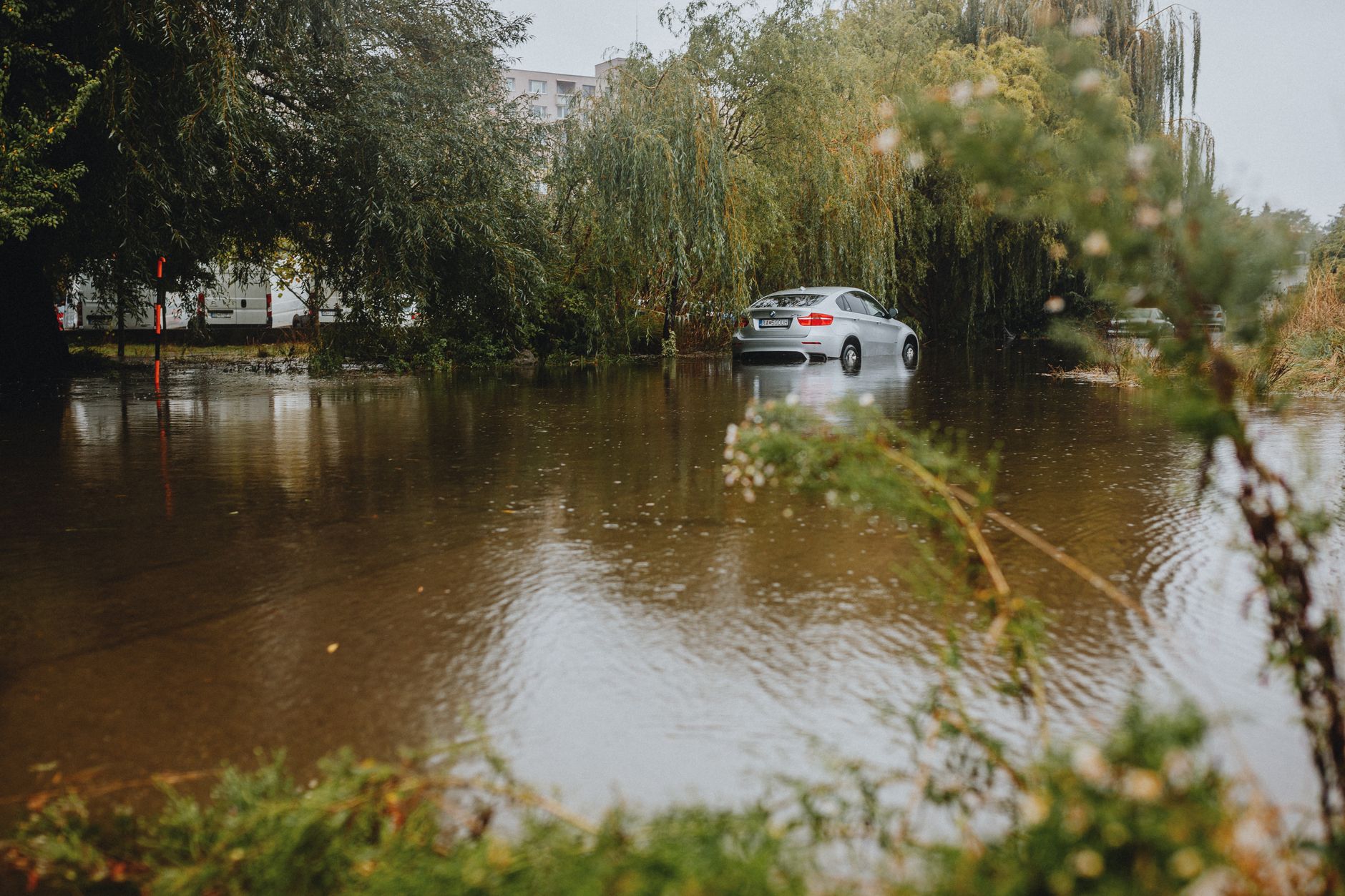
Looking ahead: urgent need for adaptation
The tragedy highlights the urgent need for Afghanistan to invest in climate adaptation measures, including better weather forecasting, early warning systems, and resilient infrastructure. However, the country's economic crisis and political isolation limit its capacity to respond. International donors have pledged support, but funding shortfalls persist. As climate change accelerates, Afghanistan faces a future of more frequent and severe floods, droughts, and other disasters. The immediate priority remains finding the missing and providing shelter and food for the displaced.