Trump's China interference claims expose 'crisis' in US democracy
President Trump's latest allegations of Chinese election meddling are campaign rhetoric, says political scientist Zheng Yongnian, but they reveal deep flaws in America's democratic system.
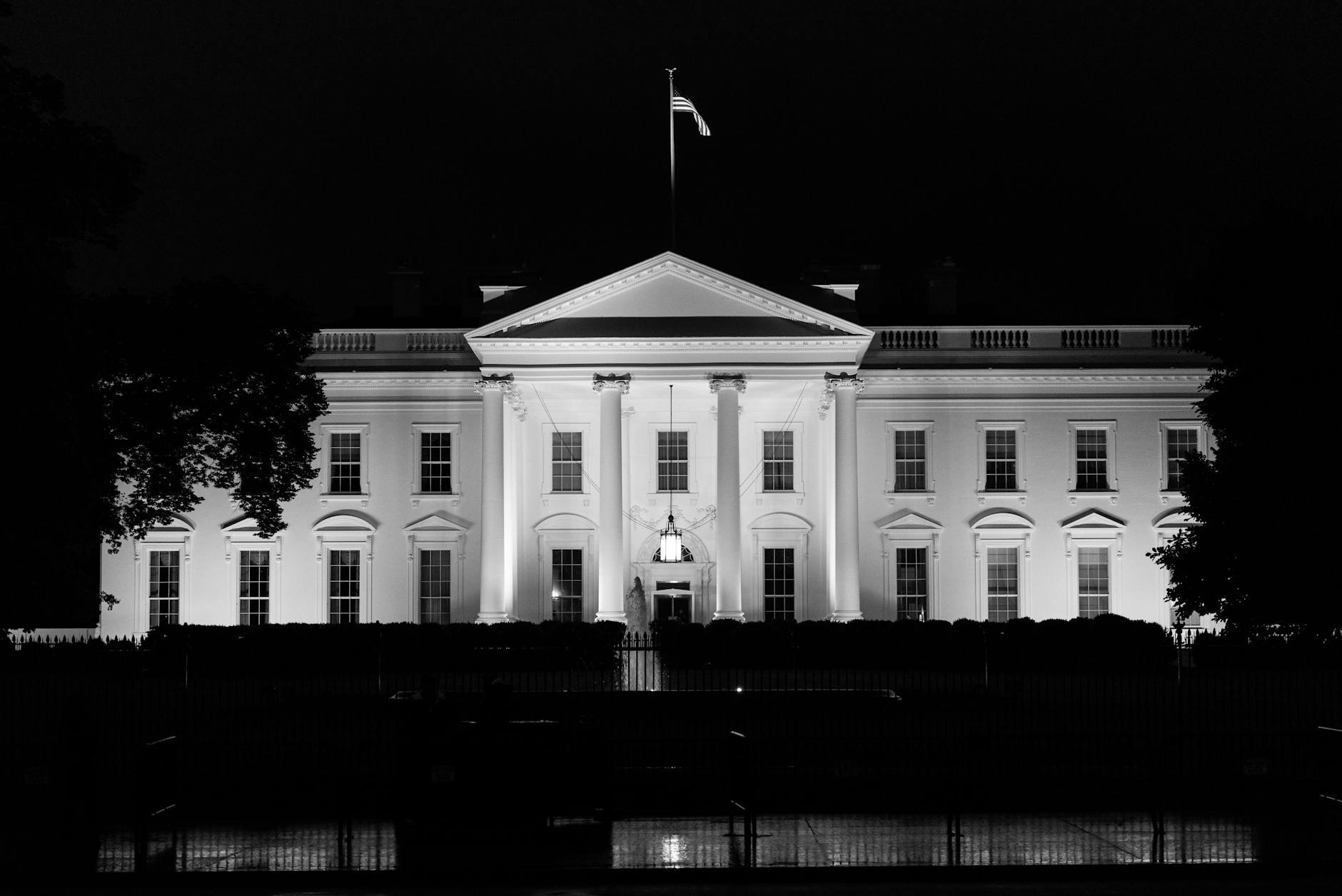
In a nearly 30-minute prime-time address from the White House, President Donald Trump accused China of interfering in the 2020 US presidential election and orchestrating a massive compromise of voter data. The allegations, which Trump described as the largest election data breach in history, immediately drew sharp criticism from Beijing and prompted a leading political scientist to warn that the claims reflect a deeper crisis within American democracy.
Trump's allegations and their political timing
During his address, Trump alleged that China was responsible for what he termed the illicit acquisition of 220 million US voter files, and that intelligence documents had revealed shocking vulnerabilities in the nation's election infrastructure. The president argued that these vulnerabilities left the US exposed to hacking and foreign interference. However, the timing of the speech, coming months before the November midterm elections, led many analysts to view it as a campaign tactic aimed at rallying his base and shifting attention from domestic issues.
Political scientist's response: A call for self-reflection
Zheng Yongnian, a prominent political scientist and dean of the school of public policy at the Chinese University of Hong Kong, Shenzhen, pushed back against Trump's narrative. In an interview, Zheng stated that the allegations were clearly campaign rhetoric and unlikely to have a significant impact on US-China relations. Instead, he argued, Washington should look inward. 'If US elections can be so easily interfered with by other countries, then there must be something wrong with the electoral system and even the democratic system of the US,' Zheng said. He emphasized that American democracy needs fundamental changes and that repeatedly blaming other countries avoids the necessary reforms.
Implications for US-China relations
Despite the incendiary nature of Trump's claims, experts believe the immediate diplomatic fallout will be limited. The US-China relationship has been fraught with tensions over trade, technology, and human rights, but direct accusations of election interference could further erode trust. However, Zheng noted that such statements are part of a pattern of deflection in US politics. He contrasted Trump's approach with China's focus on maintaining stable bilateral ties, suggesting that Beijing is unlikely to respond with escalation. The real impact, he suggested, will be domestic: the allegations may further polarize the US electorate and deepen public distrust in electoral integrity.
A crisis of confidence
The claims come at a time when American democracy is already under strain. Multiple polls show declining faith in the electoral process, and partisan divisions over election security remain sharp. Trump's insistence on foreign interference without conclusive public evidence has drawn criticism from Democrats and some Republicans. Meanwhile, Chinese officials have consistently denied any interference in US elections, calling such allegations baseless and politically motivated.

Looking ahead: Reform or rhetoric?
As the midterm elections approach, the debate over election security is likely to intensify. Trump's allegations may energize his supporters and provide a narrative for Republican campaigns, but they also risk further eroding confidence in the democratic process. Zheng's advice for Washington—to focus on reforming its own electoral system rather than scapegoating others—echoes a growing chorus of voices both inside and outside the US. Whether American leaders will heed that call remains uncertain. In the meantime, the crisis of confidence that Trump's speech has highlighted shows no signs of abating.