Trump's Air Force One swap in Turkey linked to Iran-backed threat
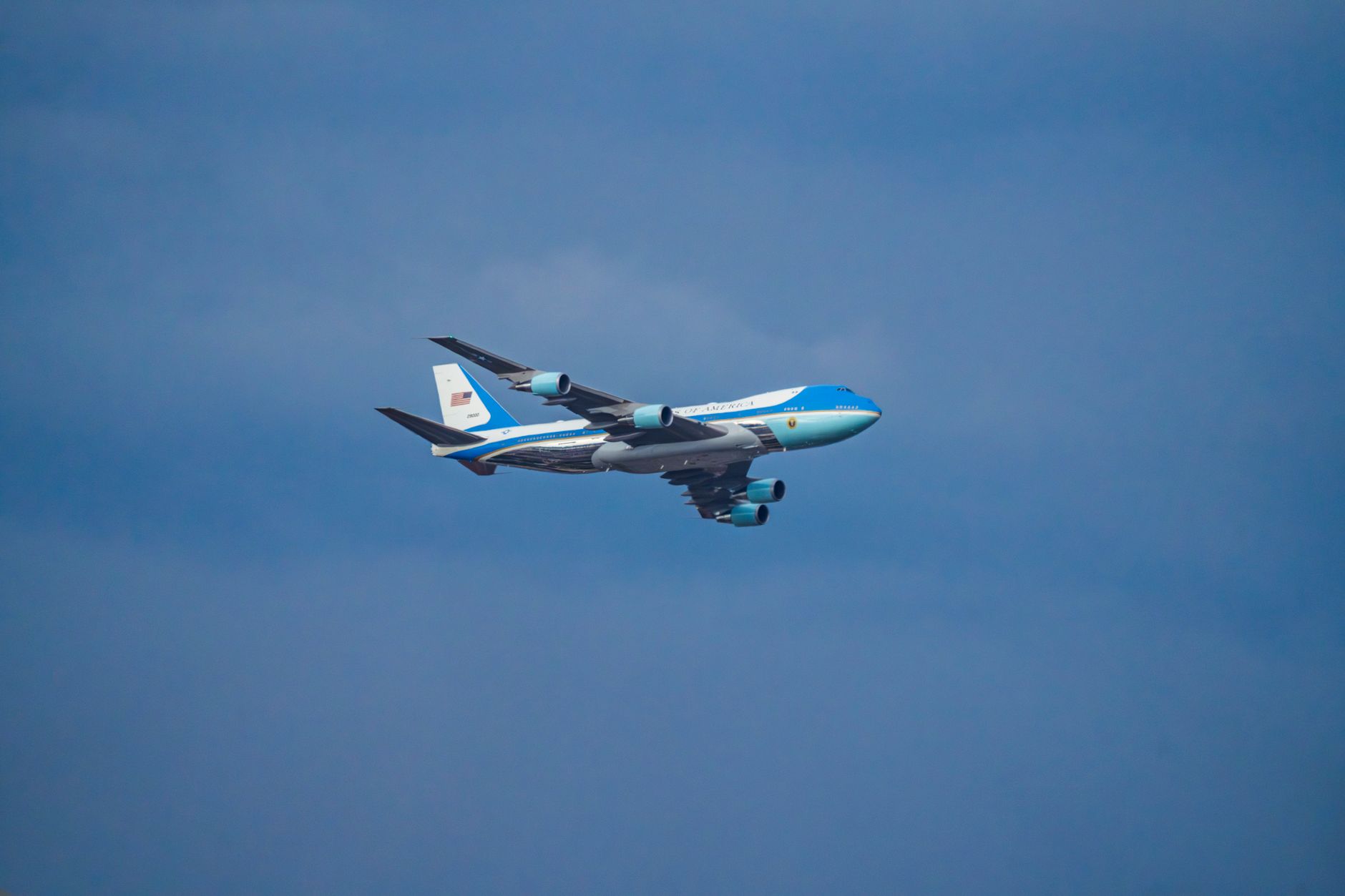
A report reveals President Trump swapped Air Force One planes in Turkey due to an Iran-backed terrorist proxy threat, contrary to his 'old time's sake' explanation.
President Donald Trump’s sudden decision to switch to an older Air Force One aircraft during his stopover in Turkey en route to the United Kingdom was prompted by a credible threat from an Iran-backed terrorist proxy group, according to a new report. Trump had initially said the swap was done “for old time’s sake,” but security sources now point to a specific warning that forced the change.
The Plane Swap and Initial Explanation
On July 22, 2026, Trump arrived at Dobbins Air Reserve Base in Marietta, Georgia, before departing on Air Force One. During a refueling stop in Turkey, the president transferred to a different, older model of the presidential aircraft for the remaining leg to the UK. When questioned by reporters, Trump shrugged off the switch, calling it a nostalgic gesture. However, the explanation raised eyebrows among security analysts, who noted that such operational changes are rarely arbitrary.
Reported Threat and Security Response
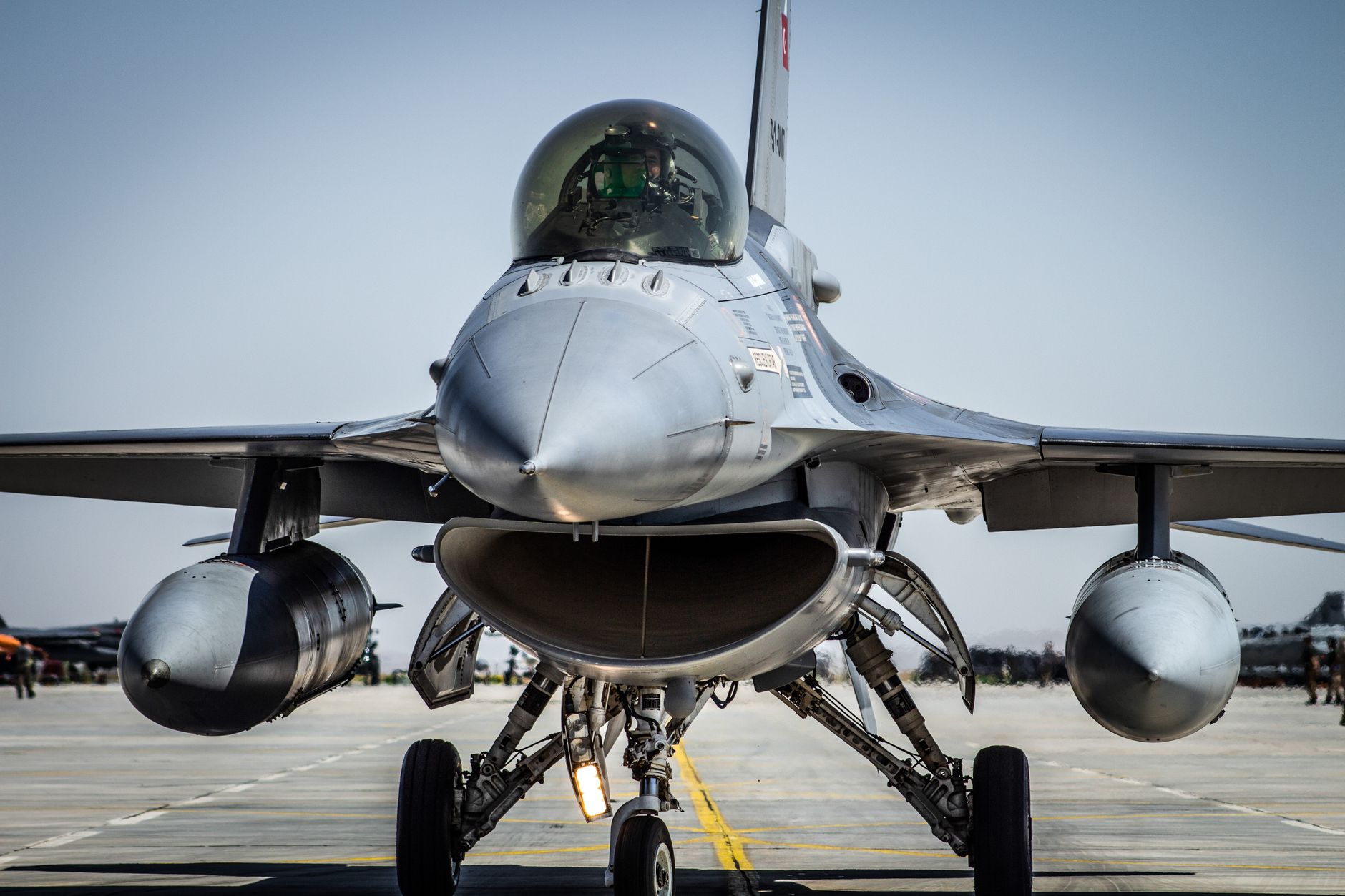
An investigative report published Tuesday claims the switch was a direct response to intelligence indicating that Iran-backed proxies were plotting an attack on the newer Air Force One while it was on the ground in Turkey. The threat, deemed specific and credible, prompted the U.S. Secret Service and Air Force officials to move Trump to a different aircraft. The older plane, though less advanced, was not in the same location and thus not part of the threat calculus. The report cites anonymous officials familiar with the security briefings.
Implications for U.S.-Iran Tensions
The incident underscores the ongoing shadow conflict between the United States and Iran, which has intensified under the Trump administration. Iran has long used proxy groups across the Middle East, including in Turkey, to project power and target American interests. While the White House has not officially confirmed the threat, the report adds to a pattern of aggressive posturing. Trump’s own initial casual explanation now appears to be an attempt to downplay the seriousness of the situation, possibly to avoid escalating tensions during a diplomatic visit to the UK.
Turkey’s Role
Turkey, a NATO ally, has a complex relationship with Iran, balancing economic ties with security concerns. The fact that a threat materialized on Turkish soil raises questions about Ankara’s ability to control militant networks. The Turkish government has not commented on the report, but the incident may further strain U.S.-Turkey relations, already testy over issues like the S-400 missile system and Kurdish forces.

Looking Ahead
As the 2026 midterm elections approach, the revelation could become a political flashpoint. Democrats are likely to question the administration’s handling of security, while Republicans may rally around Trump’s quick response. Meanwhile, the U.S. military is likely to review its protocols for presidential travel in high-threat environments. The report serves as a reminder that the Iran-backed proxy threat remains one of the most persistent challenges to U.S. security, even affecting the commander-in-chief’s itinerary.