Goldman Sachs warns oil could spike to $120 if Hormuz disrupted
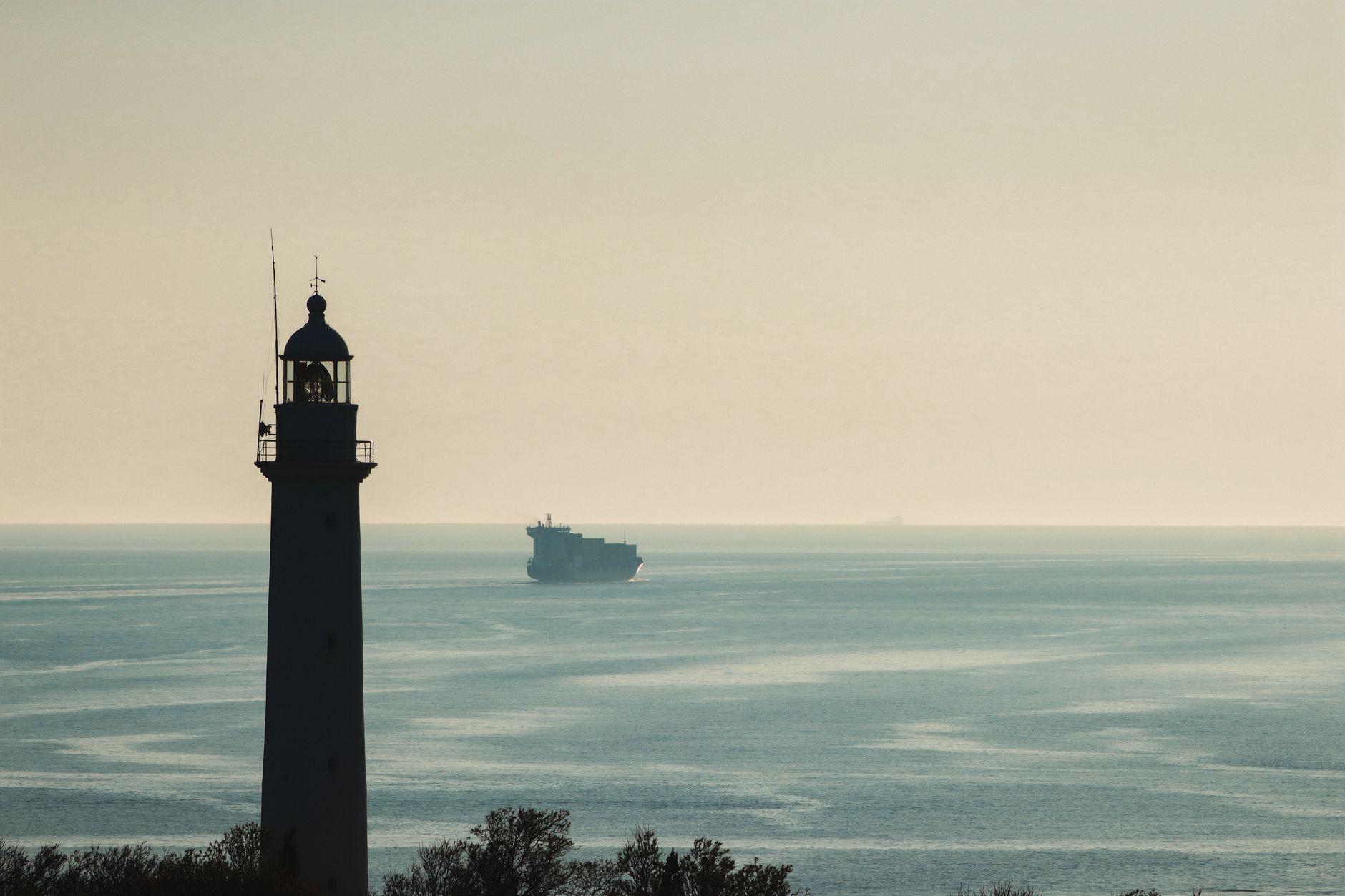
Goldman Sachs warns oil prices could surge to $120 per barrel if the Strait of Hormuz remains disrupted, raising fears of a global energy crisis.
The investment bank Goldman Sachs has issued a stark warning that crude oil prices could jump to $120 per barrel if disruptions to shipping through the Strait of Hormuz persist. The strait, a narrow waterway between Iran and the Arabian Peninsula, is a critical chokepoint for about 20% of the world's petroleum, making any prolonged closure a major threat to global energy supplies.
Why the Strait of Hormuz Matters
The Strait of Hormuz connects the Persian Gulf to the Gulf of Oman and the open ocean. At its narrowest, it is just 33 kilometers wide, with shipping lanes confined by territorial waters. Approximately 17 million barrels of oil pass through daily—roughly one-fifth of global consumption. Any significant disruption, whether from military conflict, sabotage, or political brinkmanship, can send shockwaves through energy markets and the broader global economy.
Goldman Sachs' analysis suggests that even a temporary closure could trigger a sharp price spike, with the potential to approach $120 per barrel if the situation drags on. The bank's commodity research team highlighted that the market remains extremely sensitive to supply risks in the region, particularly as global inventories are already tight amid recovering demand and limited spare capacity.

Escalating Tensions in the Middle East
The warning comes amid increasing military and political tensions in the region. Recent months have seen a series of incidents involving tankers, drone attacks, and heightened rhetoric between Iran and its adversaries, including the United States and its allies. While no official confirmation of a blockade has been made, the risks of a miscalculation or intentional disruption are viewed as serious by analysts.
The Strait of Hormuz has been a flashpoint for decades. During the Iran-Iraq War of the 1980s, both sides targeted shipping, leading to the U.S. Navy escorting oil tankers. More recently, in 2019, a series of attacks on tankers near the strait raised fears of a wider conflict. Each episode has historically caused temporary price spikes and increased insurance premiums for vessels transiting the region.
Economic Implications of a $120 Oil
A jump to $120 per barrel would have profound economic consequences. It would increase production costs across industries, raise gasoline prices for consumers, and potentially stall the post-pandemic recovery. For import-dependent countries like India and Japan, the strain on trade balances and inflation would be severe. Central banks, already fighting rising prices, might face pressure to tighten monetary policy further.
Goldman Sachs notes that the impact would depend on the duration of the disruption. A short-term spike might be absorbed, but a sustained closure could lead to strategic stockpile releases and emergency measures by major economies. The International Energy Agency has previously pledged to coordinate releases from member countries' strategic petroleum reserves in case of a supply emergency.
What Comes Next
The situation remains fluid, with diplomacy and military posturing playing out simultaneously. Investors and policymakers will be watching closely for any signs of escalation near the strait. Meanwhile, the oil market is already pricing in a risk premium, with Brent crude trading above $90 per barrel in recent sessions. Whether the warning from Goldman Sachs becomes a self-fulfilling prophecy depends on whether cooler heads prevail—or if the geopolitical powder keg ignites.
For now, the world holds its breath as the Strait of Hormuz remains the most consequential piece of water for global energy security. Any misstep could send oil prices on a trajectory that tests the limits of the global economy.