Trump to hit 60 nations with forced labor tariffs as temporary levies lapse

The Trump administration will impose new tariffs Friday on 60 trading partners over forced labor concerns, replacing expired temporary duties. Goods from the EU and others face 10-12.5% levies.
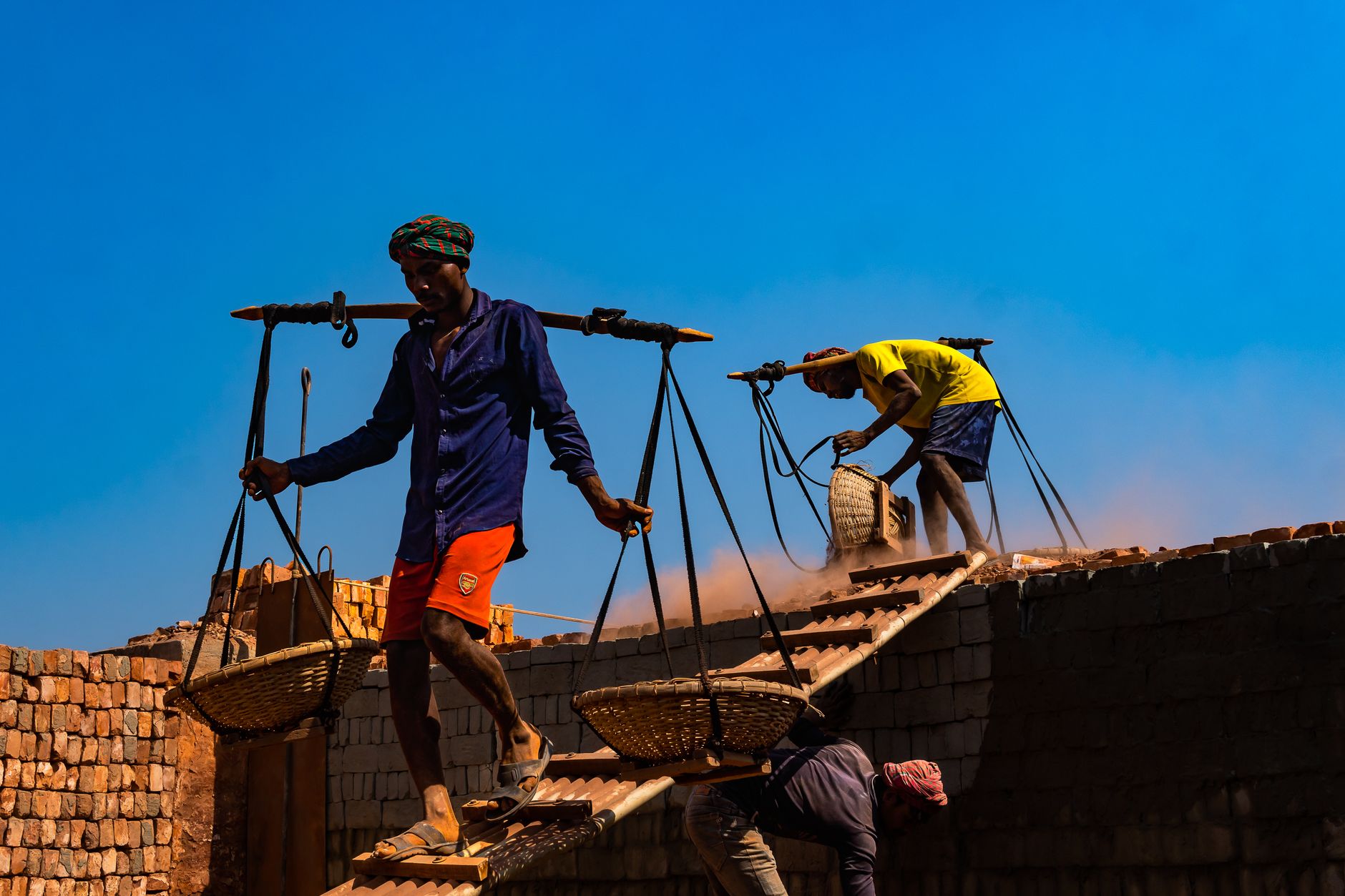
The Trump administration will impose new tariffs of 10% and 12.5% on 60 trading partners, including the European Union, on Friday, citing inadequate enforcement of forced labor bans, senior officials said Thursday. The move comes as a temporary 10% global tariff expires at 12:01 a.m. EDT, with the new duties taking effect simultaneously.
Background: Supreme Court ruling and temporary tariff
President Donald Trump's earlier "reciprocal" tariffs of 10% to 50%, imposed under a national emergencies law, were struck down by the U.S. Supreme Court in February. In response, the administration invoked Section 122 of the Trade Act of 1974 to impose a temporary 10% tariff for 150 days, which expires Friday. The new forced labor tariffs, authorized under Section 301 of the same 1974 law, are designed to address allegations that lax enforcement of forced labor bans gives trading partners an unfair advantage.
Details of the new forced labor tariffs
The Section 301 tariffs will apply to imports from countries the U.S. deems insufficient in combating forced labor. Goods from nations with adequate anti-forced labor laws will face a 10% levy, while those from countries with inadequate enforcement will be taxed at 12.5%. Recent legislative actions, including by India, have moved some countries to the lower rate since the duties were first proposed in June. A senior administration official denied that the new tariffs are merely a replacement for the expired global levy, despite the timing and similar coverage. "We're responding to bipartisan congressional calls to eradicate forced labor from supply chains," the official said. "The U.S. enforces forced labor bans more vigorously than any other nation."
Exemptions and transition provisions
Goods in transit at the time the tariff takes effect will be exempt until 12:01 a.m. EDT on July 28. The duties will not apply to oil and gas, fertilizer, certain foodstuffs, or goods already subject to Section 232 national security tariffs on autos, steel, aluminum, and copper. Additionally, products compliant with the U.S.-Mexico-Canada Agreement (USMCA) will be exempt due to the highly integrated North American supply chain and high U.S. content levels.
Political and trade implications
The move signals the administration's determination to use tariff tools even after legal setbacks. Both Democrats and Republicans have pushed for stronger action against forced labor, providing bipartisan cover. The tariffs cover a broad swath of U.S. imports, potentially raising costs for businesses and consumers. Critics argue the timing suggests the forced labor rationale is a pretext for maintaining protectionist policies, but the official insisted it is a separate, targeted measure. The administration stressed that Trump will "always use the tools at his disposal to achieve his trade policy objectives."
The new duties are expected to spark retaliation from affected trading partners, including the EU, which has already threatened countermeasures. The exemption for USMCA goods may ease tensions with Canada and Mexico, but other major exporters face uncertainty. The shift from a blanket global tariff to a country-specific forced labor regime could reshape global supply chains as companies scramble to demonstrate compliance with U.S. anti-forced labor standards.