Trump to warn of China threat, Iran blockade in Oval Office address
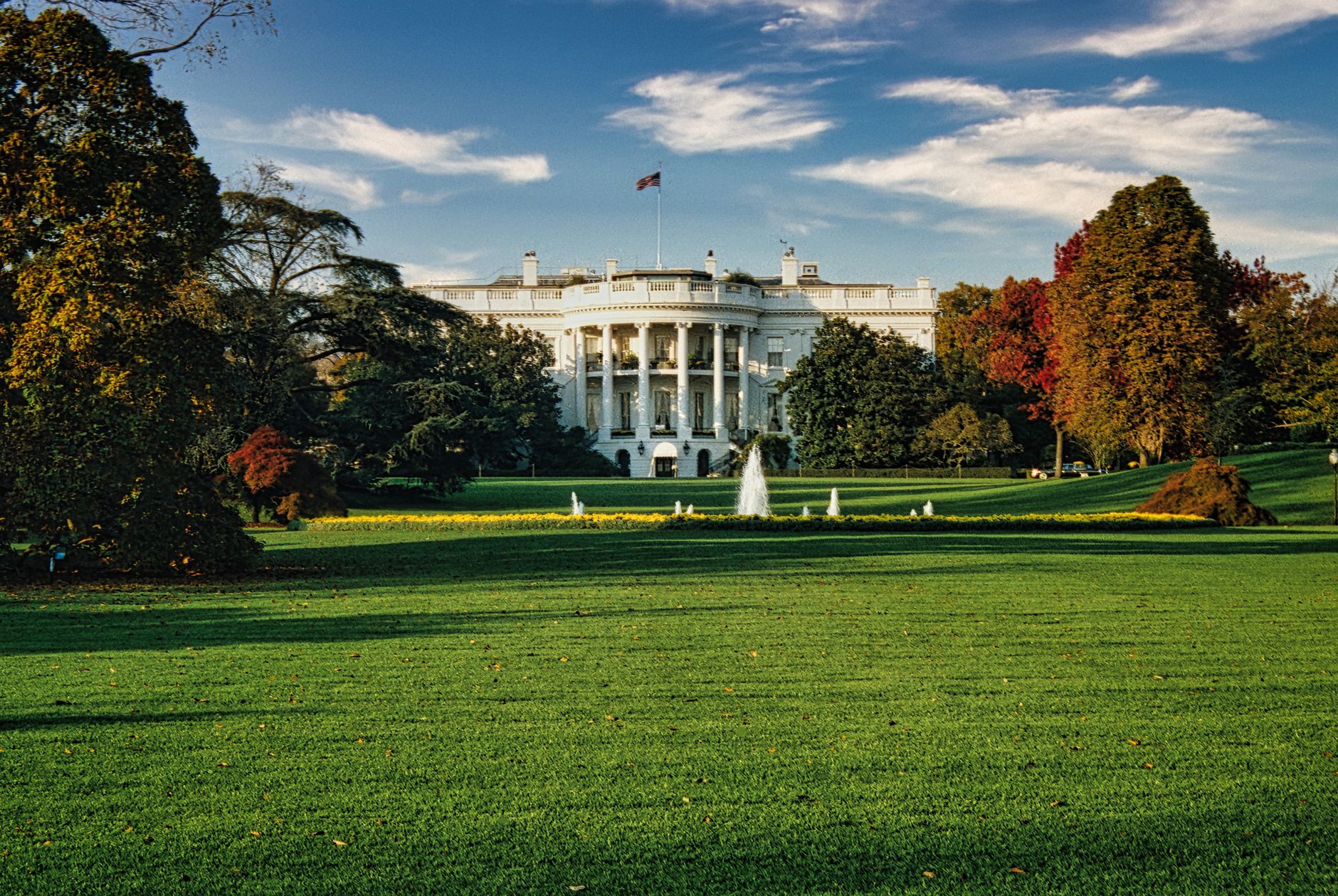
President Trump will deliver a prime-time address Thursday amid escalating tensions with Iran and China, with midterm elections approaching. Congressional allies call it the most critical Oval Office speech since 1962.
President Donald Trump will deliver a prime-time “Speech to the Nation” on Thursday at 9 p.m. Eastern Time, addressing a confluence of foreign policy crises and domestic political pressures. The White House has not released the full agenda, but the address comes days after Trump reinstated a U.S. naval blockade on Iran and reversed his proposed 20 percent fee on cargo passing through the Strait of Hormuz, declaring the United States the “guardian” of the critical waterway. Briefed congressional allies are already billing the speech as the most consequential Oval Office address since the Cuban Missile Crisis, with a stark warning that the era of complacency with China is over.
Iran policy shifts take center stage
The president’s decision to reimpose a naval blockade on Iran marks a significant escalation in the conflict that has simmered throughout his second term. In April, Trump delivered a speech focused on Iran, but the latest move—combined with the retreat from the proposed Strait of Hormuz fee—signals a recalibrated strategy. The fee, which would have targeted commercial shipping, was quickly abandoned after fierce opposition from allies and shipping companies. Instead, Trump now asserts U.S. guardianship over the waterway, a stance likely to heighten tensions with Tehran. The blockade aims to choke off Iranian oil exports, a key pressure point, but critics warn it risks provoking a direct military confrontation. With public support for the war at low levels, the speech must balance resolve with a path toward de-escalation.
China warning signals new front
Perhaps the most striking element of Thursday’s address is the emphasis on China. Congressional allies briefed on the speech say Trump will declare that the time for complacency with Beijing is “officially over,” framing the U.S.-China rivalry as an existential contest. While trade disputes and technology restrictions have characterized relations, the speech is expected to elevate the rhetoric to a direct warning, possibly outlining new measures to counter Chinese influence in the Indo-Pacific. The timing is notable: just weeks before the midterm elections, and amid growing bipartisan concern over China’s military buildup and tech competition. The president is likely to portray a tough stance as both a national security imperative and a political asset.
Domestic politics and midterm calculus
Trump’s address comes with the midterm elections looming and his party’s prospects uncertain. Public opinion polls show waning enthusiasm for overseas engagements, particularly the Iran conflict, which has dragged on with no clear end. The speech offers an opportunity to reframe the narrative, casting the administration’s foreign policy as protecting American interests at a time of global peril. However, the dual focus on Iran and China risks splitting attention. Strategists note that Trump’s base responds strongly to tough-on-China rhetoric, while the Iran situation remains more divisive. The president must navigate these cross-currents to energize his supporters without alienating moderates. The “most critical” billing by allies suggests an appeal to national unity, a sharp contrast with his typically partisan tone.
Implications and next steps
The address will be closely watched for concrete announcements on troop levels, sanctions, or diplomatic initiatives. On Iran, the blockade raises the stakes for any negotiation; on China, the rhetoric may foreshadow executive actions on trade or technology. Domestically, the speech could shape the final weeks of the midterm campaign, offering either a rallying cry or a political liability. With the world on edge, Trump’s words Thursday will resonate far beyond the Oval Office—setting the stage for the next chapter in both foreign policy and electoral politics.