Trump threatens new Canada tariffs over wildfires smoke

President Trump threatens tariffs on Canada after wildfire smoke blankets US cities. Lawmakers demand action as air quality plummets across the northern states.
President Donald Trump has threatened to impose new tariffs on Canada after hundreds of wildfires sent a thick blanket of smoke across the northern United States, causing hazardous air quality alerts from Michigan to New York. In a post on Truth Social, Trump accused Canada of “willful negligence” in managing its forests and demanded an explanation from Canadian Prime Minister Mark Carney. The threat escalates already tense trade relations between the two countries.
Wildfires and smoke choke northern US
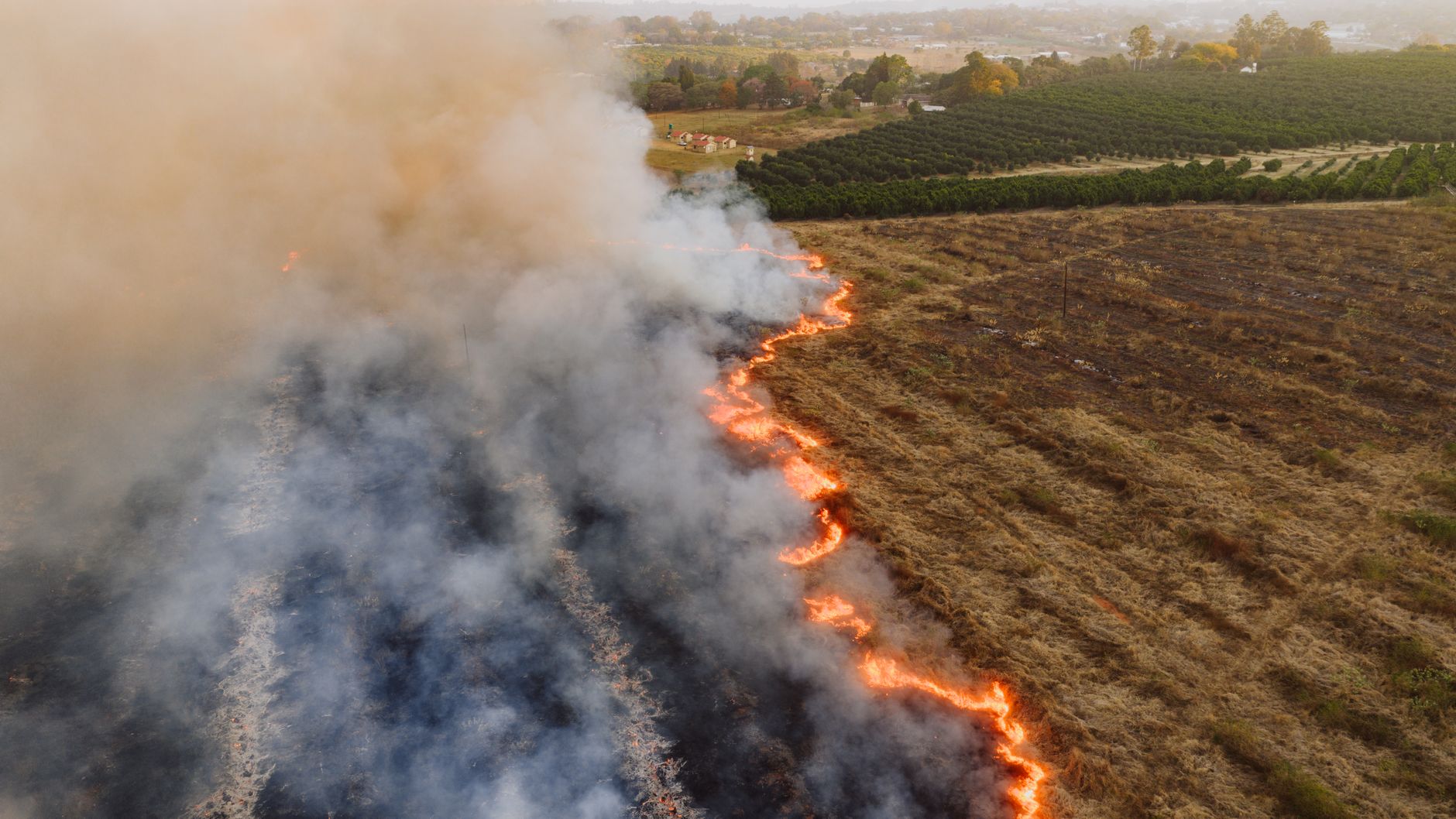
As of Friday, nearly 888 fires were actively burning across Canada, according to the Canadian Wildland Fire Information System, with the majority out of control. More than 190 of those blazes are in Ontario alone. The smoke has drifted south, triggering “hazardous” air quality alerts in states including Minnesota, Michigan, Pennsylvania, Ohio, and New York. Swiss air quality tracker IQAir ranked Detroit as having the worst air in the world on Friday, followed by Chicago, Washington DC, and New York in seventh place. Nearly 3 million hectares of Canadian land have been destroyed by the fires this year.
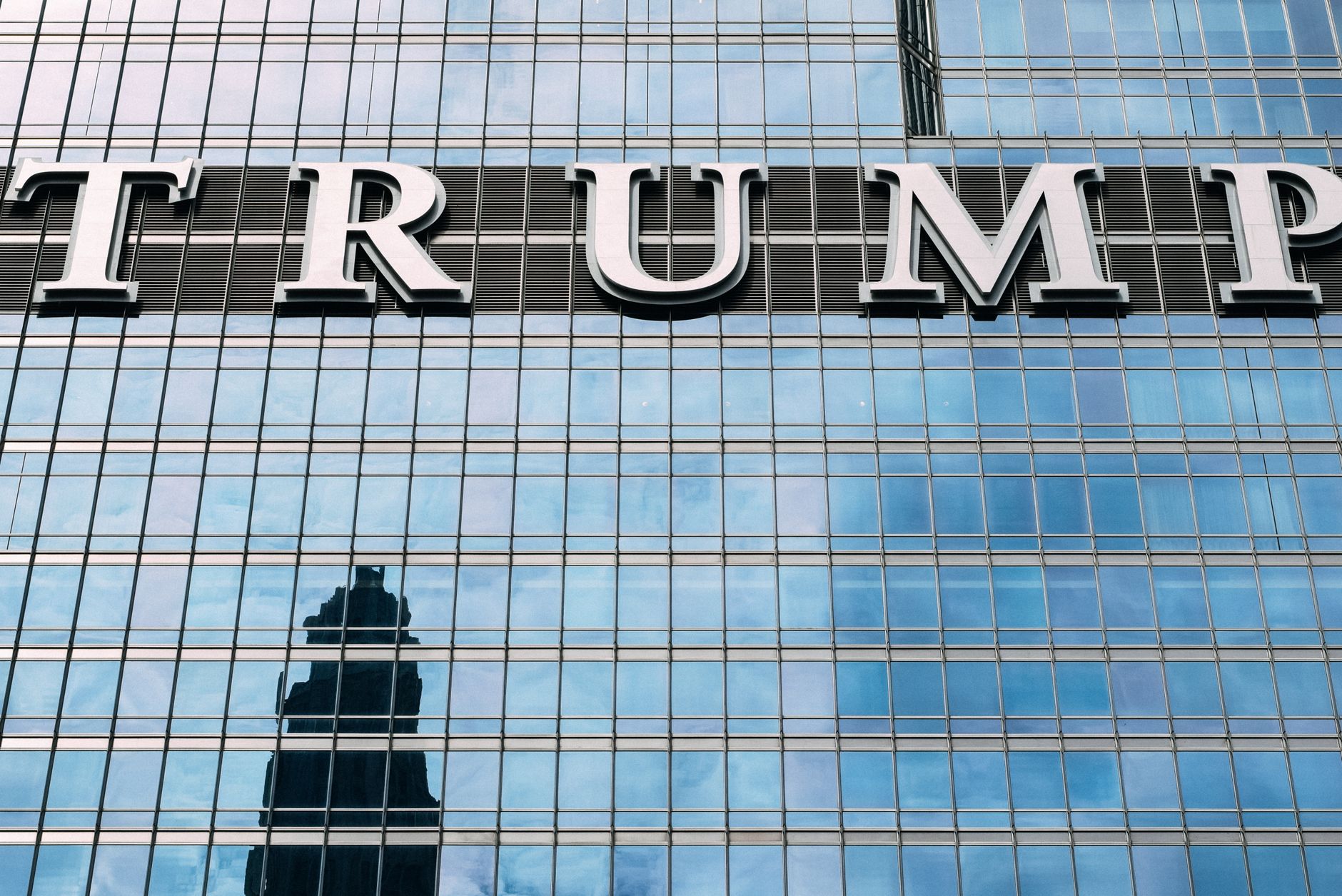
Trump's tariff threat and US lawmakers' frustration
Trump wrote that the United States is being “unnecessarily invaded by filthy, polluted, and unhealthy air” due to Canada’s failure to properly maintain its forests. He said he would call Prime Minister Carney to demand action. The president’s threat echoes sentiments from fellow Republicans, who have used the issue to renew calls for Canada to become the 51st US state—a notion that has offended many Canadians. Some online even suggested delaying the opening of the Canada-funded Gordie Howe International Bridge connecting Ontario to Michigan. US lawmakers John James, John Moolenaar, Jack Bergman, and Lisa McClain sent an open letter to Canadian officials saying their “patience has run out.” They warned that the US could explore direct involvement in cross-border wildfire protection if Canada fails to act. “American lungs are paying the price for Canadian inaction, year after year,” they wrote, citing under-investment in forest thinning, fuel reduction, and prescribed burns, along with inadequate enforcement against arson.
Experts urge caution on blame
Scientists caution that attributing the smoke solely to Canadian mismanagement oversimplifies the issue. “Weather doesn’t care about international borders,” said Dr. Patrick James of the University of Toronto. Once smoke reaches the atmosphere, it travels wherever winds take it—and smoke from major US wildfires has also affected Canada in recent years. Experts note that many of the current fires are burning in Canada’s vast, remote forests, where fires can be difficult to detect or contain before they become too large. Better forest management is important, but the transboundary nature of wildfire smoke means that neither country can fully control the problem alone.
Broader US-Canada tensions
Relations between the US and Canada have been strained over the past year, primarily due to trade disputes. Trump imposed tariffs on Canada last year, breaking decades of free trade, and the two nations have yet to reach a new deal. The wildfire smoke adds a new dimension to the friction. Canada has not officially responded to Trump’s tariff threat, but Carney previously noted that both countries share responsibility for fighting climate change. The ongoing crisis underscores how environmental disasters can quickly escalate into political conflicts, with potential economic repercussions on both sides of the border.
Looking ahead, the US and Canada face a choice: cooperate on shared challenges like wildfire management and climate change, or let the smoke—and tensions—continue to drift across the border. With fire season likely to intensify, the need for coordinated action has never been more urgent. The coming weeks will test whether diplomatic channels can overcome the rhetoric and deliver real solutions.