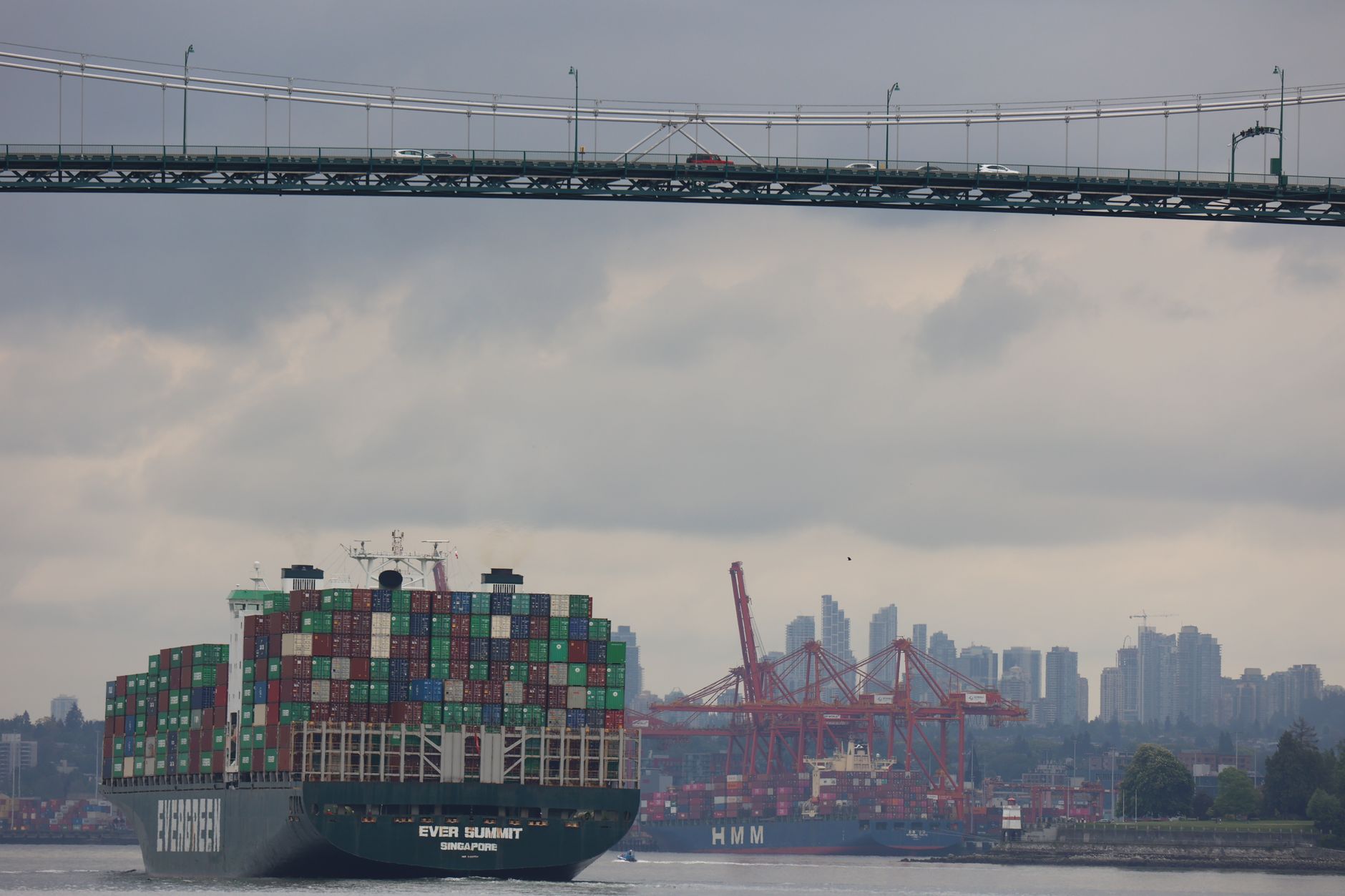
Trump slaps 50% tariffs on Canada; Carney vows to 'intensify' trade talks
President Trump imposes sweeping 50% tariffs on Canadian goods, escalating trade war. PM Carney responds by promising to ramp up negotiations.
President Donald Trump has imposed a 50% tariff on a wide range of Canadian imports, retaliating against what he calls unfair treatment of US cars, dairy, and alcohol. The duties, set to take effect within 30 days, mark a dramatic escalation in trade tensions between the neighboring nations.
Tariff Scope and Exemptions
The new levy covers everyday consumer items like wine and hockey sticks as well as industrial goods such as commercial cement. However, key Canadian exports—including energy, potash, critical minerals, and fish—are spared. The duties apply regardless of whether products fell under the USMCA free trade agreement, effectively superseding portions of the pact.
Canada's Response
Prime Minister Mark Carney condemned the move as a unilateral breach of trade rules. In a statement on X, he said Canada stands ready to 'intensify' talks with the US in coming weeks, while noting ongoing 'threats to Canadian sovereignty'—an apparent reference to Trump's repeated suggestions of annexing Canada as the 51st state. Carney also pointed to earlier US tariffs on steel, aluminum, copper, and softwood lumber, which remain in place alongside Canada's own counter-tariffs on American metals and vehicles.
Trade Talks Breakdown
The current tariffs stem from unresolved disputes over cars, dairy, and alcohol. On automobiles, the US accuses Canada of charging a tax on non-USMCA motor vehicles and parts, claiming discrimination. Automotive supply chains across North America are deeply integrated. Dairy remains a long-standing irritant: Canada's supply management system imposes tariffs exceeding 300% on imports beyond quotas. Additionally, most Canadian provinces continue boycotting US alcohol—a protest triggered by earlier US tariffs on Canadian metals and vehicles—which premiers say will end only if Washington drops those duties.
Legal and Political Context
Monday's executive orders make no mention of wildfires, despite Trump having previously threatened tariffs over Canadian smoke drifting into US cities. Instead, the three proclamations list familiar trade grievances, signaling stalled negotiations. The tariffs follow a February US Supreme Court ruling that struck down sweeping international duties imposed under the International Emergency Economic Powers Act, calling them beyond presidential authority. The White House has since vowed to use other legal mechanisms to enforce import taxes.
Next Steps
Canadian trade negotiators have been working to secure a deal that could reduce some existing US tariffs, but the new 50% levy adds pressure. The White House and Canadian government have been contacted for comment. As the 30-day clock ticks, the dispute threatens to further disrupt cross-border trade worth hundreds of billions annually, with both sides dug in. The coming weeks will test whether intensified talks can avert a broader economic rift.