Trump says U.S. will 'go back to doing what we were doing' if Iran talks stall
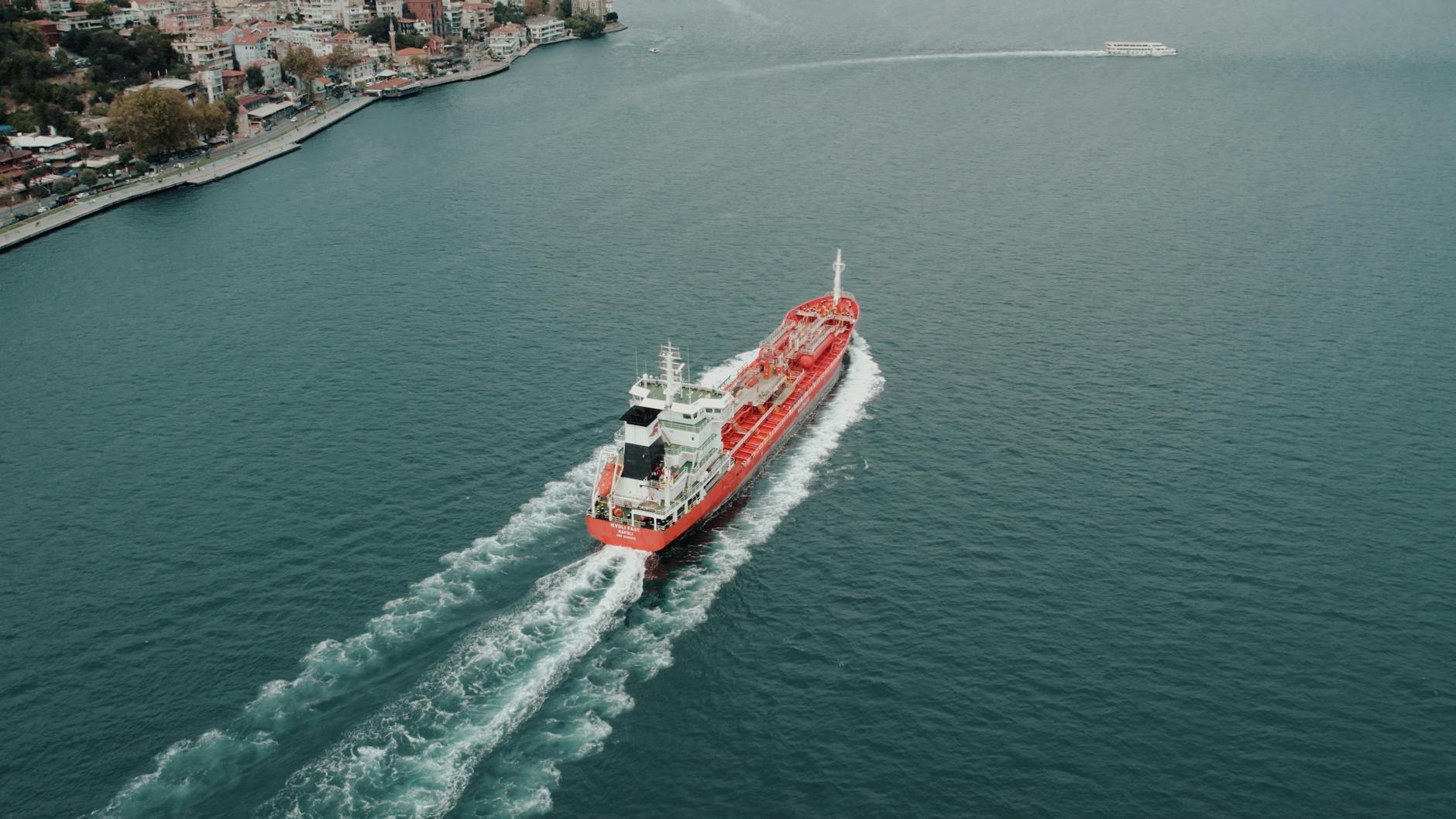
President Trump warns of a return to previous actions if negotiations with Iran on reopening the Strait of Hormuz fail, as military buildup continues.
The United States and Iran are currently holding fire amid diplomatic efforts to reopen the Strait of Hormuz, but President Donald Trump has warned that if those talks stall, the U.S. will "go back to doing what we were doing." The statement, made during a briefing at the White House, underscores the fragile state of negotiations over the strategic waterway, which handles about a fifth of the world's oil supply. The Trump administration has simultaneously insisted that the American military buildup in the region remains ongoing, signaling that a diplomatic setback could lead to renewed confrontation.
Background: The Strait of Hormuz Crisis
Tensions have been simmering since May, when the U.S. deployed an aircraft carrier strike group and additional troops to the Middle East in response to alleged Iranian threats. The situation escalated further when Iran shot down a U.S. drone and the U.S. came close to launching retaliatory strikes, which Trump called off at the last minute. Subsequently, Iran began to breach its 2015 nuclear deal commitments, and a series of mysterious attacks on oil tankers in the Gulf of Oman raised fears of a broader conflict. The Strait of Hormuz, a narrow passage between Oman and Iran, became the focal point as Iran threatened to disrupt shipping in retaliation for U.S. sanctions.

Trump's Warning and the Military Buildup
Trump’s latest remarks came after reports emerged of secret talks between U.S. and Iranian officials aimed at easing tensions, particularly regarding the Strait of Hormuz. While the president declined to provide specifics, he made clear that the diplomatic window was limited. “If we don’t make progress, we will go back to doing what we were doing,” he said, adding that the military buildup is “as strong as ever.” The U.S. has bolstered its naval presence in the Gulf, including the deployment of the USS Abraham Lincoln and additional bomber assets, and the administration has not ruled out military action to keep the waterway open.
Implications for Oil Markets and Global Economy
The threat of a return to “maximum pressure†has kept oil traders on edge. Any disruption in the Strait of Hormuz could send crude prices soaring, as the waterway is critical for shipments from Saudi Arabia, Iran, Iraq, and other Gulf states. While the current dip in tensions has provided some relief, analysts warn that a failure to reach a deal could lead to a spike in oil prices, potentially pushing the global economy toward recession. The U.S. has also urged its allies to join a naval coalition to protect shipping, a proposal that has received mixed responses from European and Asian nations.

What Comes Next?
The next few weeks will be crucial as both sides gauge the viability of a diplomatic solution. Iran has demanded sanctions relief as a precondition for any agreement, while the U.S. insists on verifiable guarantees that Tehran will not block the strait or develop nuclear weapons. Trump’s warning suggests that the window for talks may be narrowing, and the military buildup provides the backdrop for what could be a decisive phase. Whether the two sides can bridge their differences or return to a path of confrontation will determine the fate of stability in the region and the global energy supply.