Trump says midterms won’t impact his Iran war plan
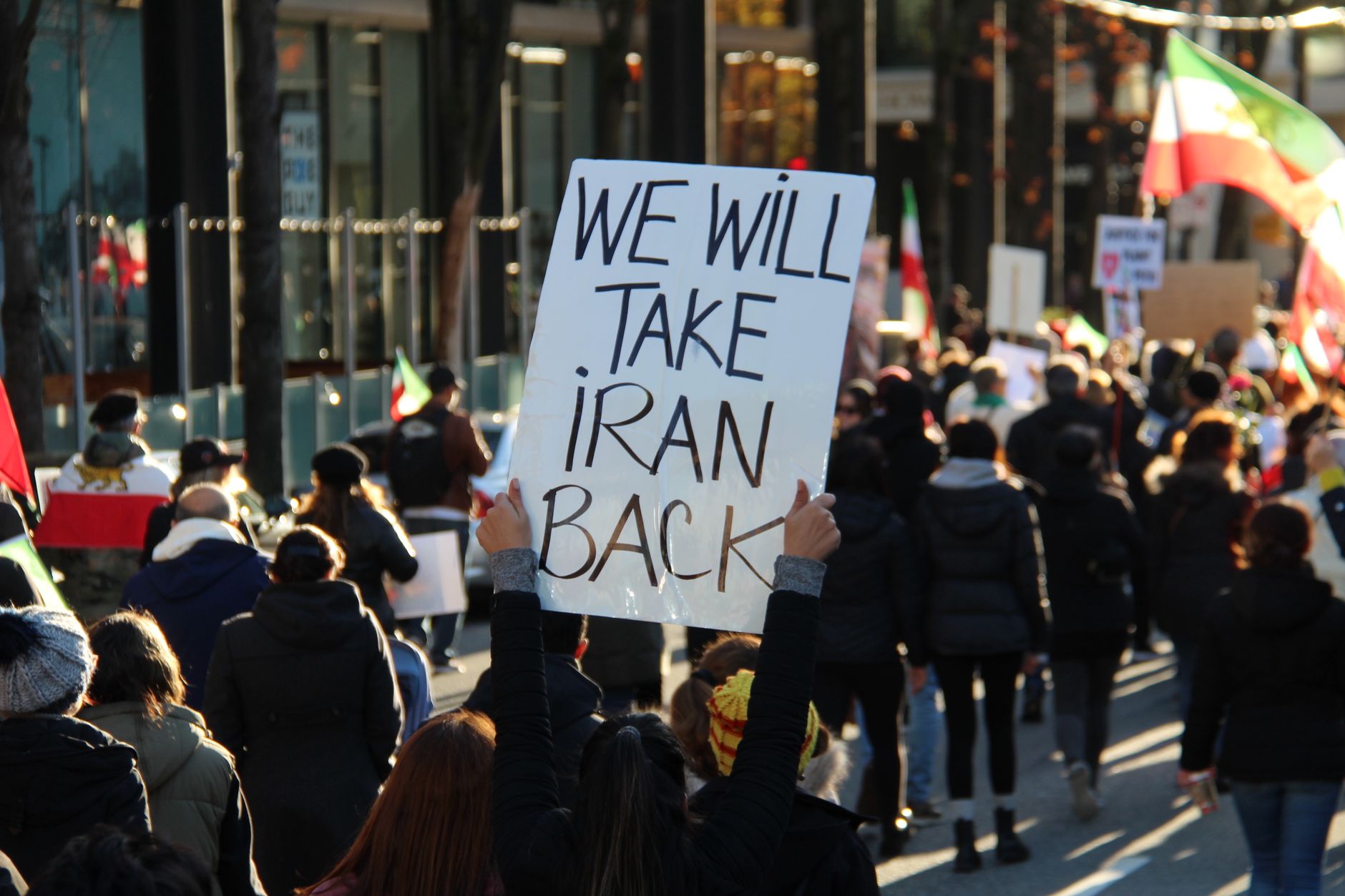
President Trump insists the upcoming midterm elections will not alter his Iran strategy, even as Republicans grow anxious over rising gas prices and three U.S. troop deaths.
President Donald Trump has declared that the upcoming midterm elections will not influence his administration's military approach toward Iran, a stance that is fueling unease among fellow Republicans concerned about the political and human costs of the conflict. With gas prices climbing and the recent deaths of three American service members, the president's resolve to maintain current operations appears unshaken, setting the stage for a potential rift within his party as voters head to the polls.
Republican Anxiety Grows
Behind closed doors, Republican lawmakers are expressing increasing apprehension over the trajectory of the Iran campaign. The war, which resumed after a period of relative calm, has become a focal point of both foreign policy debate and domestic political risk. Senior party figures worry that extended military engagement could alienate key constituencies, particularly as economic pressures mount at home. The president's insistence that electoral considerations will not dictate military decisions has done little to allay these fears.
Political Fallout
For Republicans, the midterms represent a critical test of their ability to hold onto power, and any distraction from kitchen-table issues like inflation could prove costly. The administration's messaging — that the Iran operation is necessary for national security — is being challenged by lawmakers who see a conflict without clear endgame. Some are quietly urging a shift in strategy, but Trump’s well-known aversion to perceived weakness makes such appeals difficult.
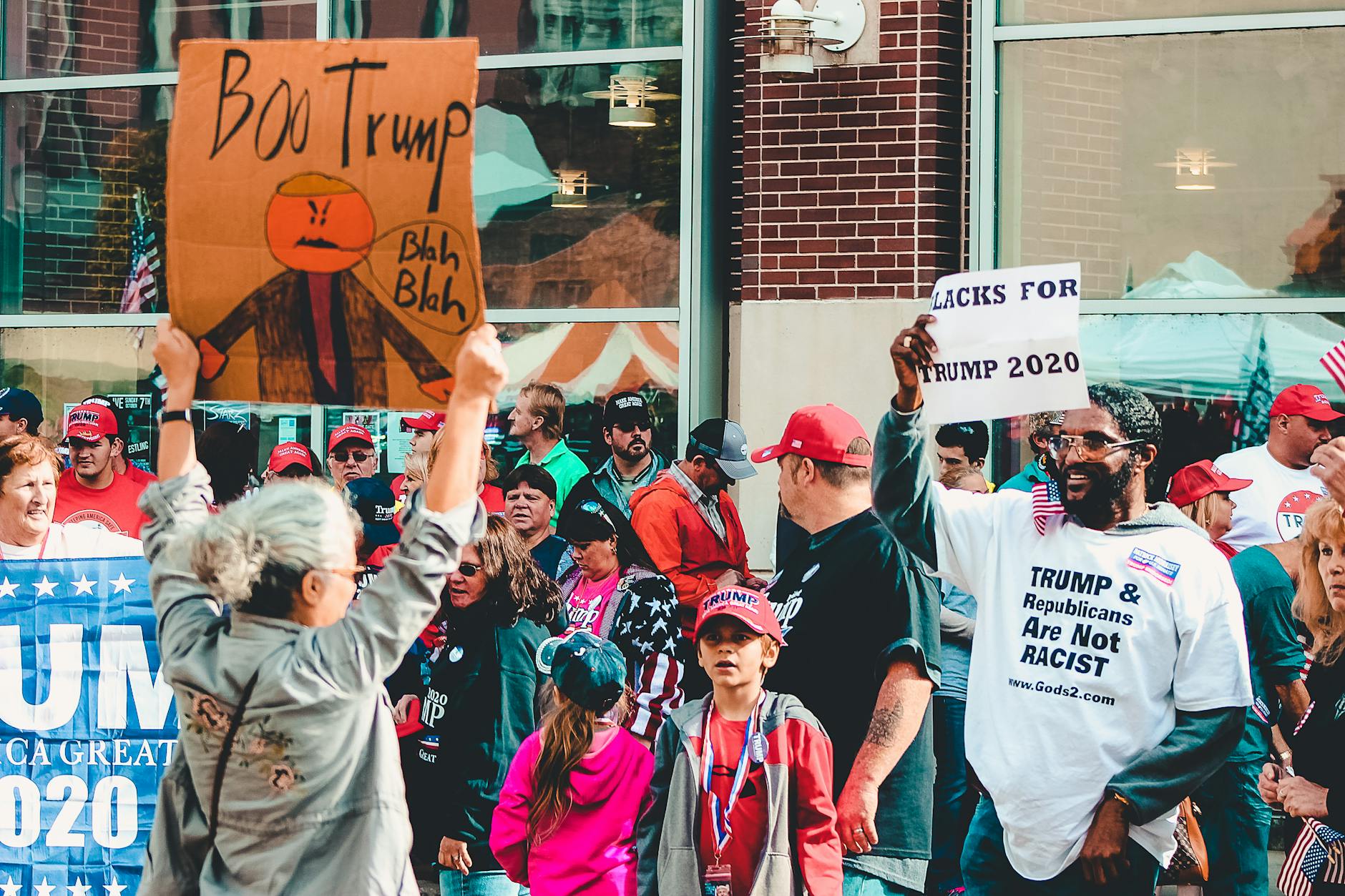
Rising Gas Prices and Troop Deaths
The economic impact of the war is becoming impossible to ignore. Gas prices, already a top concern for American families, have ticked higher amid disruptions in Middle Eastern oil flows linked to the renewed hostilities. Meanwhile, the confirmation of three U.S. troop deaths since fighting resumed has added emotional weight to the debate. The White House has offered condolences but framed the losses as part of a broader mission to counter Iranian aggression.
Human Cost
Advocacy groups and military families are pressing for greater transparency about operations in the region. The absence of a formal congressional authorization for the use of military force has also drawn criticism, though the administration argues existing legal frameworks suffice. As casualties rise, the political calculus for Republicans shifts — a reality the president seems intent on ignoring.
Implications for the Battlefield and Ballot Box
Trump’s refusal to link troop deployments to election timing suggests a gamble: that voters will prioritize strong leadership over the human and economic toll. However, history shows prolonged overseas conflicts often erode support for the party in power. The midterms will serve as an early referendum on this bet. If Republicans lose seats, the Iran strategy could become a major point of contention in the lame-duck session.
Looking ahead, the next few weeks will be crucial. The administration may face renewed pressure from within its own ranks to recalibrate its approach, especially if casualties mount or gas prices spike further. For now, Trump’s position remains fixed, leaving many anxious about where the road to war leads — both for U.S. troops and for the Republican Party’s electoral fortunes.