Trump Revives Election Fraud Claims, Pushes Voting Restrictions
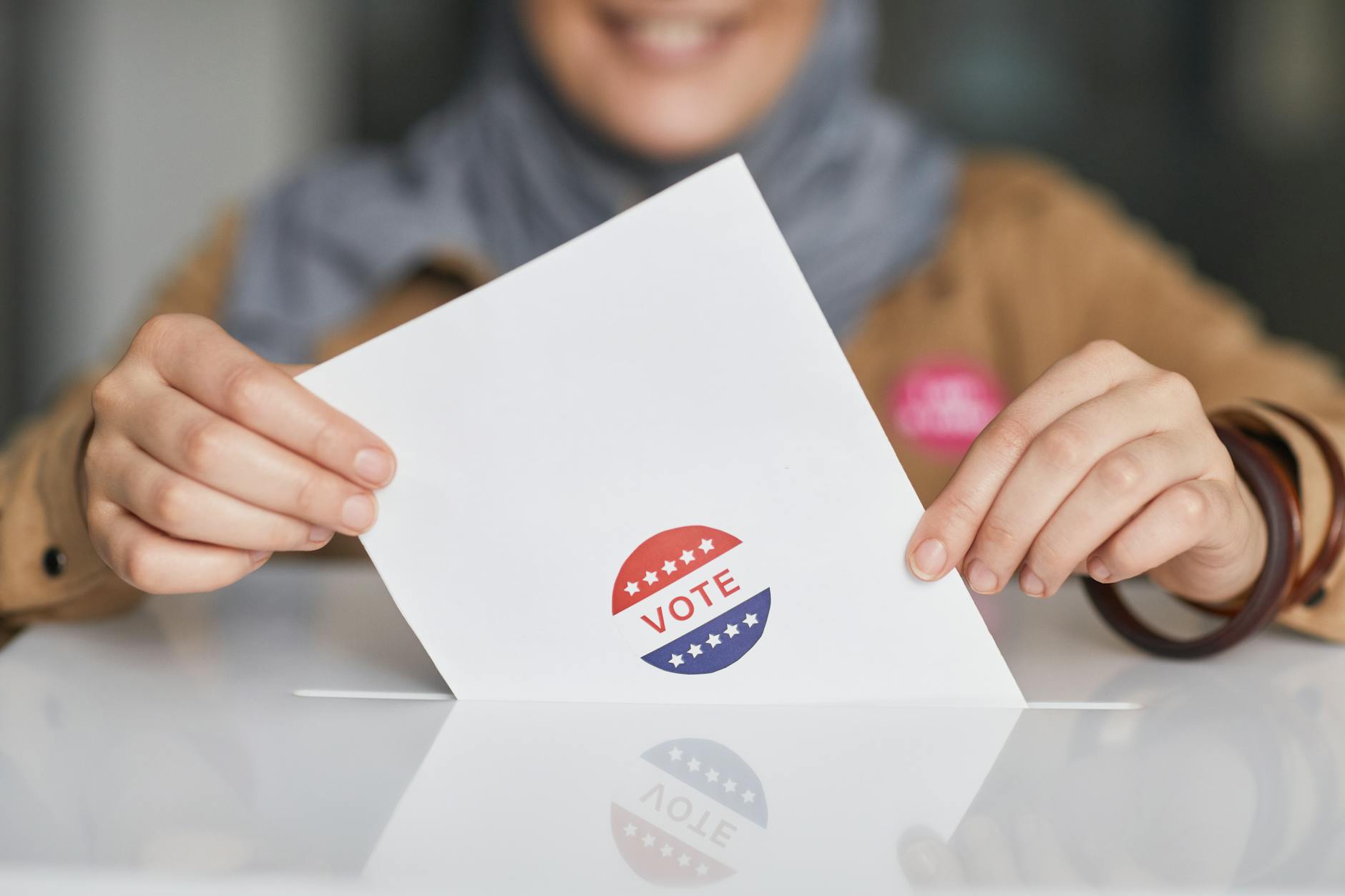
Trump has renewed his unfounded claims of election fraud, urging new voting restrictions despite opposition from many Republicans.
In a move that reignites controversy over election integrity, former President Donald Trump has once again leveled unsubstantiated allegations of widespread voter fraud, pressing lawmakers to enact stricter voting laws even as many within his own Republican Party show little enthusiasm for such measures. With the U.S. midterm elections approaching, Trump's claims risk further polarizing the electorate and undermining public confidence in the democratic process.
Trump's Renewed Allegations
During recent public appearances and statements, Trump has described the U.S. voting system as vulnerable to fraud, calling for new requirements such as photo identification and restrictions on mail-in ballots. Despite lacking evidence of systemic fraud, he insists that the 2020 election was stolen and that similar vulnerabilities persist. His rhetoric has become a central theme of his political rallies and endorsements for candidates aligned with his views.

GOP Reluctance and Divisions
While Trump remains a dominant figure in the Republican Party, his push for additional voting restrictions has met with a tepid response even among his allies. Many GOP lawmakers have noted that, after the 2020 election, numerous states already passed new voting laws in response to his claims. There is little appetite for another round of restrictive measures, and some Republicans fear that focusing on election fraud could alienate moderate voters. However, Trump's influence ensures that the issue remains on the agenda.
Impact on Midterm Campaigns
As the midterms draw near, the debate over voting rules is likely to feature prominently in competitive races. Democratic opponents have seized on Trump's claims to rally their base, warning of attempts to suppress turnout among minority and young voters. Meanwhile, some Trump-backed candidates are making election integrity a key plank of their platforms, even as state officials across the country certify election results without significant irregularities.
Broader Implications for Democracy
The revival of fraud allegations without credible evidence poses a challenge to the credibility of the U.S. electoral system. Studies have consistently found that voter impersonation and other forms of in-person fraud are extremely rare. Advocacy groups worry that new restrictions could disenfranchise legitimate voters. At the same time, the persistence of these claims fuels distrust among a segment of the population, with potential long-term consequences for political stability.
Looking ahead, the coming weeks will test whether Trump's renewed focus on election fraud can shift policy or energize his base as effectively as in previous elections. With limited legislative momentum, the impact may be more rhetorical than practical. Yet the message continues to resonate with many Republican voters, ensuring that the debate over election security will remain a defining feature of the political landscape.
