Senate confirms Trump loyalist Todd Blanche as US attorney general
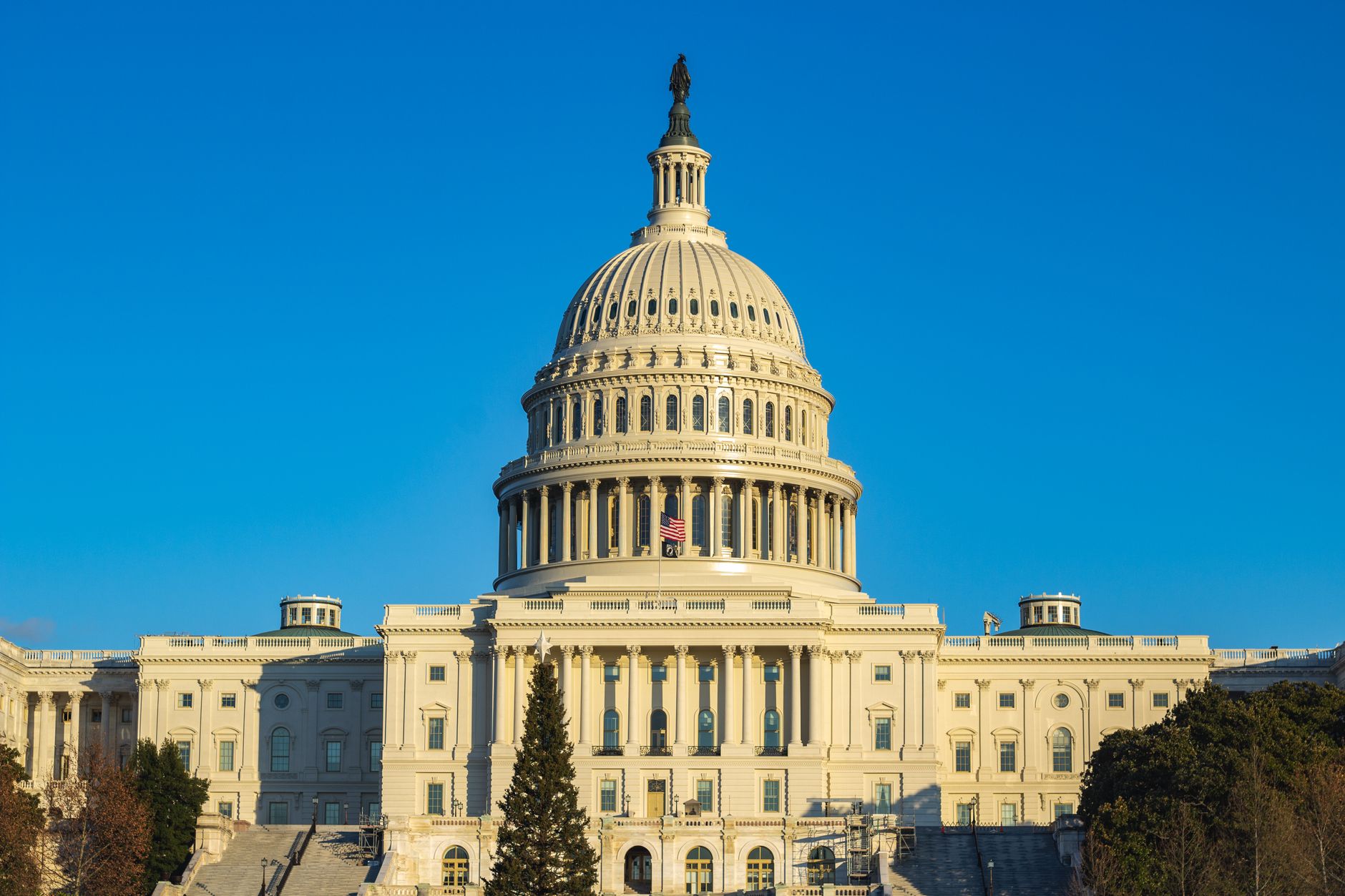
Todd Blanche, Trump's former lawyer, confirmed as attorney general in a narrow Senate vote. The controversial pick hands the president a loyalist atop the DOJ.
In a move that gives President Donald Trump a trusted loyalist atop the US Justice Department, the Senate on Friday confirmed Todd Blanche as attorney general. The vote was close, with Senator Bill Cassidy of Louisiana supplying the decisive support after two other Republicans opposed the nomination.
A Narrow Victory
The confirmation marked a major win for Trump, who had tapped Blanche, his one-time personal attorney, for the nation's top law enforcement role. Cassidy, announcing his decision on the Senate floor, acknowledged Blanche's shortcomings but insisted the alternative was worse. He argued that the choice was between Blanche and another acting attorney general who might not run the department effectively under Trump.
Cassidy's stance proved crucial. Both Susan Collins of Maine and Lisa Murkowski of Alaska voted against Blanche, citing concerns about the department's conduct. Every Democrat also voted no, reflecting broad opposition to the nominee's record and his role in the administration's aggressive use of prosecutorial power.

Controversies and Assurances
Blanche's path to confirmation had been anything but smooth. For weeks, his nomination teetered on the edge due to a proposed $1.8 billion "anti-weaponization fund" and a deal granting tax immunity to the president, his sons, and his businesses. Critics feared the fund could reward individuals involved in the January 6 Capitol attack. Murkowski publicly explained her no vote, saying the fund was only shelved because the Senate had leverage during the confirmation process, and once that leverage disappeared, the future was uncertain.
To win over key Republicans, Blanche provided written assurances that the fund would not move forward and clarified the scope of the IRS deal. Senators John Cornyn of Texas and Thom Tillis of North Carolina accepted these assurances, even though legal experts viewed them as less than binding. Their support allowed Blanche to advance out of the Judiciary Committee and eventually secure the floor vote.
Broader Criticism and a Department in Turmoil
The fund wasn't the only controversy. During his confirmation hearing, Blanche faced sharp questions over the department's mishandling of files related to Jeffrey Epstein. The initial release had redaction errors that exposed victims' names while hiding information that should have been public. Blanche initially refused to meet with Epstein victims but later agreed, though the survivors said they left the meeting with few answers.
Blanche's tenure as acting and deputy attorney general has been marked by significant upheaval. Many career prosecutors have left the department, and judges across the country have rebuked department lawyers for misrepresenting facts in court. Under his leadership, the DOJ has pursued indictments against former FBI Director James Comey, New York Attorney General Letitia James, and the Southern Poverty Law Center—cases that many legal observers consider weak. The department also attempted to bring criminal charges against two Democratic senators and used its investigative powers to pressure former Federal Reserve Chair Jerome Powell.

What Lies Ahead
With confirmation secured, Blanche is expected to continue aligning the department with Trump's agenda. According to Politico, he has promised anti-abortion advocates that the department would make abortion restrictions permanent across all states. Such a stance signals a sharp rightward turn for the DOJ.
Murkowski's warning about the loss of Senate leverage now looms large. Without the pressure of a pending nomination, Blanche may have more freedom to pursue policies that critics say amount to political weaponization. Supporters, however, see his confirmation as a necessary correction to what they view as a biased justice system.
The coming months will reveal how Blanche navigates the tension between delivering on Trump's expectations and managing the remnants of the department's institutional independence. His actions on the anti-weaponization fund, ongoing investigations, and any use of prosecutorial power against political opponents will be closely scrutinized.