Trump slaps double-digit tariffs on 60 nations over forced labor
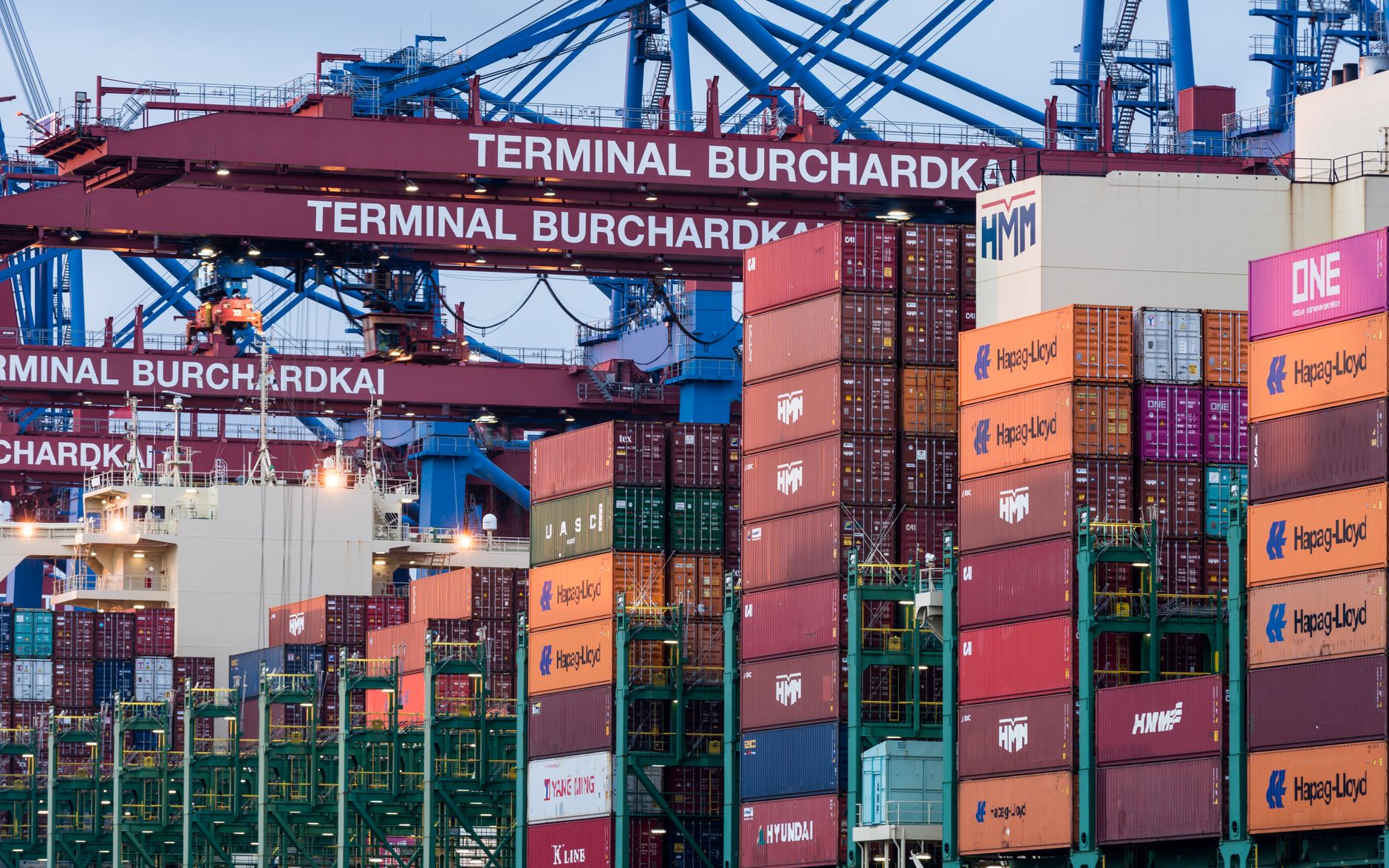
President Trump imposed new 10-12.5% tariffs on imports from 60 countries, citing inadequate enforcement of forced labor bans. The move comes as temporary worldwide tariffs expire, reshaping US trade policy.
President Donald Trump has imposed new double-digit tariffs on imports from 60 countries, just hours before temporary stopgap levies were set to expire. The tariffs, ranging from 10 to 12.5 percent, target nations that together account for 99 percent of US imports, with the administration citing their failure to adequately enforce bans on goods produced by forced labor.
New Tariffs Under Section 301
The tariffs are being levied under Section 301 of the Trade Act of 1974, which allows the president to impose import taxes and other sanctions against countries found to engage in “unjustifiable”, “unreasonable”, or “discriminatory” trade practices. US Trade Representative Jamieson Greer announced the action on Thursday, stating that “the United States has had a forced labor import ban for nearly a century, and rigorously enforces it; it’s well past time for our trading partners to do the same.” He framed the move as addressing both human rights abuses and distortive trade practices to improve welfare for workers worldwide.
This is not the first time Trump has used Section 301 powers. During his first term, he imposed significant tariffs on China under the same authority, and those tariffs withstood court challenges. Legal experts expect these new levies to face less judicial resistance given the well-established legal precedent for Section 301 actions.

Background: Supreme Court and Temporary Tariffs
The new tariffs take effect immediately as the temporary 10 percent worldwide tariffs that Trump imposed earlier this year expire at 12:01am Friday in Washington, DC. Those temporary levies were enacted under the 1977 International Emergency Economic Powers Act (IEEPA) after the Supreme Court struck down Trump’s earlier, broader tariff plan in February. The court ruled that IEEPA did not authorize tariffs, forcing the administration to issue refunds to importers who had paid those levies.
In response to that setback, Trump turned to Section 122 of the Trade Act of 1974, which allowed him to impose 10 percent tariffs on imports from almost every country, but only for 150 days. That deadline has now run out, prompting the shift to Section 301 tariffs specifically targeting forced labor enforcement.
Broader Trade Probes Loom
The administration is also intensifying its trade investigations. Greer’s office has launched a probe into whether 16 countries—representing 70 percent of US imports—have engaged in overproduction that pushes down global prices and disadvantages US companies. That investigation has not yet concluded, but additional tariffs under Section 301 could follow if the findings are unfavorable to those nations.
Trump has long argued that high tariffs are essential to reviving US manufacturing. Last year, he overturned decades of US policy favoring lower tariffs and freer trade, adopting a protectionist stance that has reshaped global trade relationships. The latest actions demonstrate his commitment to using tariff authority to pressure trading partners on both labor standards and market practices.
As the temporary tariffs expire and new ones take their place, importers and businesses are bracing for uncertainty. The targeted countries have not yet announced retaliatory measures, but trade experts warn that the move could escalate tensions and disrupt supply chains. With further investigations underway, the Trump administration appears poised to continue expanding its tariff regime in the name of economic nationalism.
