Trump slaps 50% tariffs on Canadian goods over car, dairy disputes
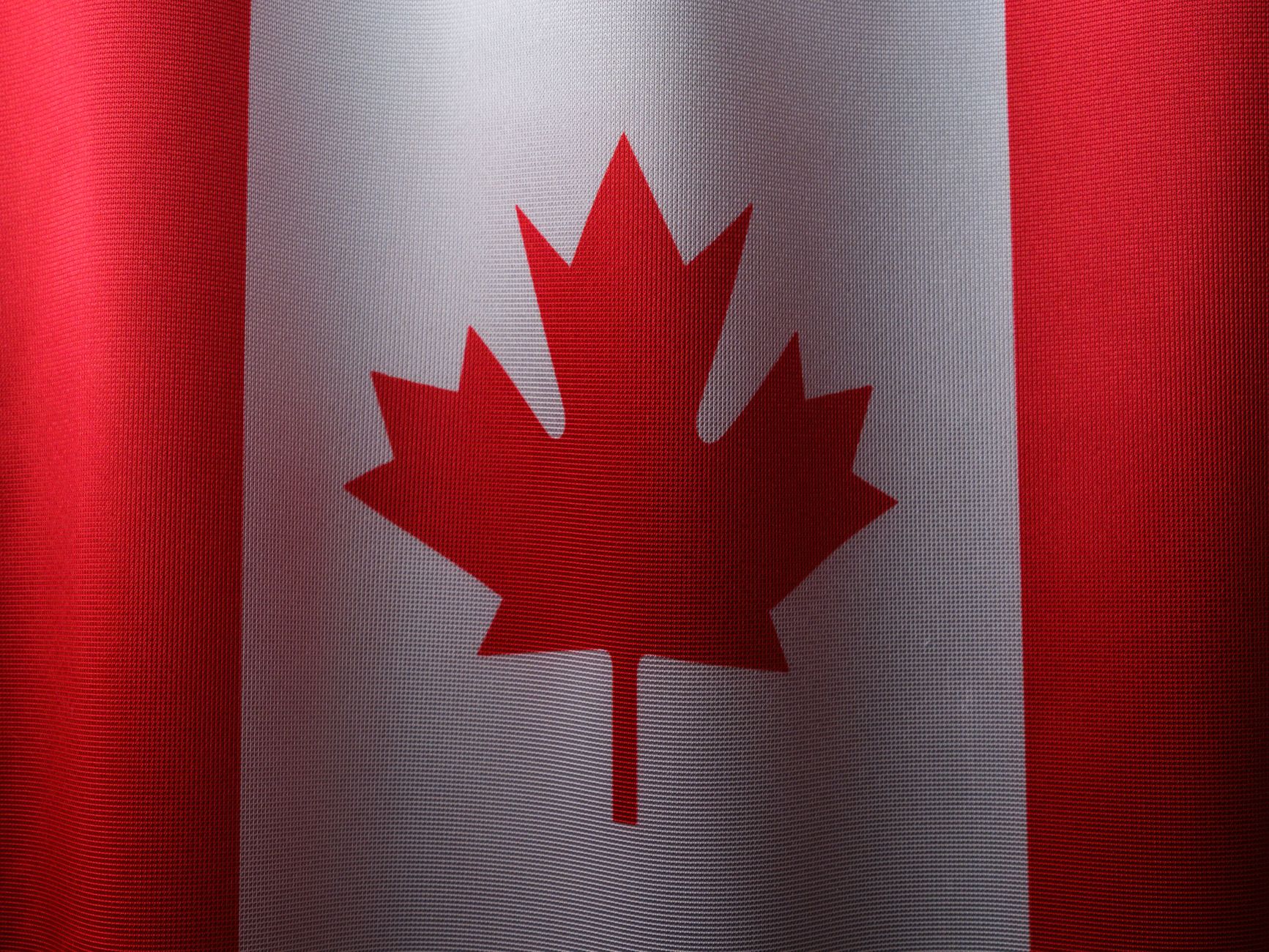
President Trump imposed 50% tariffs on most Canadian goods Monday, escalating a trade war. The move targets Canada’s retaliation against previous levies and risks economic disruption.
President Donald Trump on Monday imposed 50 percent tariffs on the majority of Canadian goods, accusing Canada of unfair discrimination against American cars, alcohol, and dairy products. The executive action, signed under Section 338 of the 1930 Trade Act, threatens to reignite economic turmoil, drive up inflation, and further strain relations between the two longtime allies.
Retaliation triggers new trade offensive
A senior administration official, speaking on condition of anonymity, told reporters that Canada was singled out because it was one of the few nations—alongside China—that retaliated against Trump’s earlier tariffs. The official said the United States must hold Canada accountable for its countermeasures. The new 50 percent levy applies to most goods crossing the northern border, hitting key sectors including automobiles, alcohol, and dairy products—areas where Trump has long claimed Canadian policies are discriminatory.
Canada’s previous retaliation targeted American steel, aluminum, and agricultural products, prompting the White House to escalate. The administration argues that Section 338, which was originally designed to combat foreign discrimination, gives the president broad authority to impose tariffs without congressional approval. Several Democratic lawmakers had tried to repeal the provision last year, warning that Trump could use it to destabilize the economy.

Economic risks and border impact
Economists warn that the 50 percent tariff could lead to higher prices for consumers on both sides of the border, as supply chains for automobiles and food products are deeply integrated. The automotive industry, in particular, relies on cross-border shipments of parts and finished vehicles. A sudden 50 percent cost increase could disrupt production and raise car prices. Dairy farmers in Canada and the U.S. also face uncertainty, as the tariff targets cheese and other dairy goods—a longstanding flashpoint in bilateral trade negotiations.
The move comes as Trump continues to pursue an aggressive trade policy agenda, threatening allies and adversaries alike. The European Union and Japan have already been warned of potential tariff increases. Canada, the United States’ second-largest trading partner, now faces a severe blow to its export-dependent economy.
Political and diplomatic fallout
The tariffs drew immediate criticism from Democrats and some Republicans in Congress, who fear the disruption to a vital economic relationship. Canadian officials have not yet announced countermeasures but previously signaled they would retaliate with dollar-for-dollar tariffs. The escalating trade war could spill over into other areas of cooperation, including security and border management.
The White House, however, framed the action as a necessary step to enforce fairness. “President Trump will not stand by while American workers and businesses are treated unfairly,” the administration official said. The official added that the tariffs would remain in place until Canada changes its policies on automotive and dairy trade.

What comes next
With the 50 percent tariffs now in effect, the immediate question is whether Canada will respond with equivalent measures or seek negotiations. Trade analysts expect a sharp increase in bilateral tensions, with potential for a protracted trade war that could weigh on global economic growth. Businesses on both sides are bracing for supply chain disruptions and price hikes. The coming weeks will determine whether this is the opening salvo in a broader trade conflict or a prelude to renewed talks.