Trump escalates Smithsonian attack with signs outside history museum
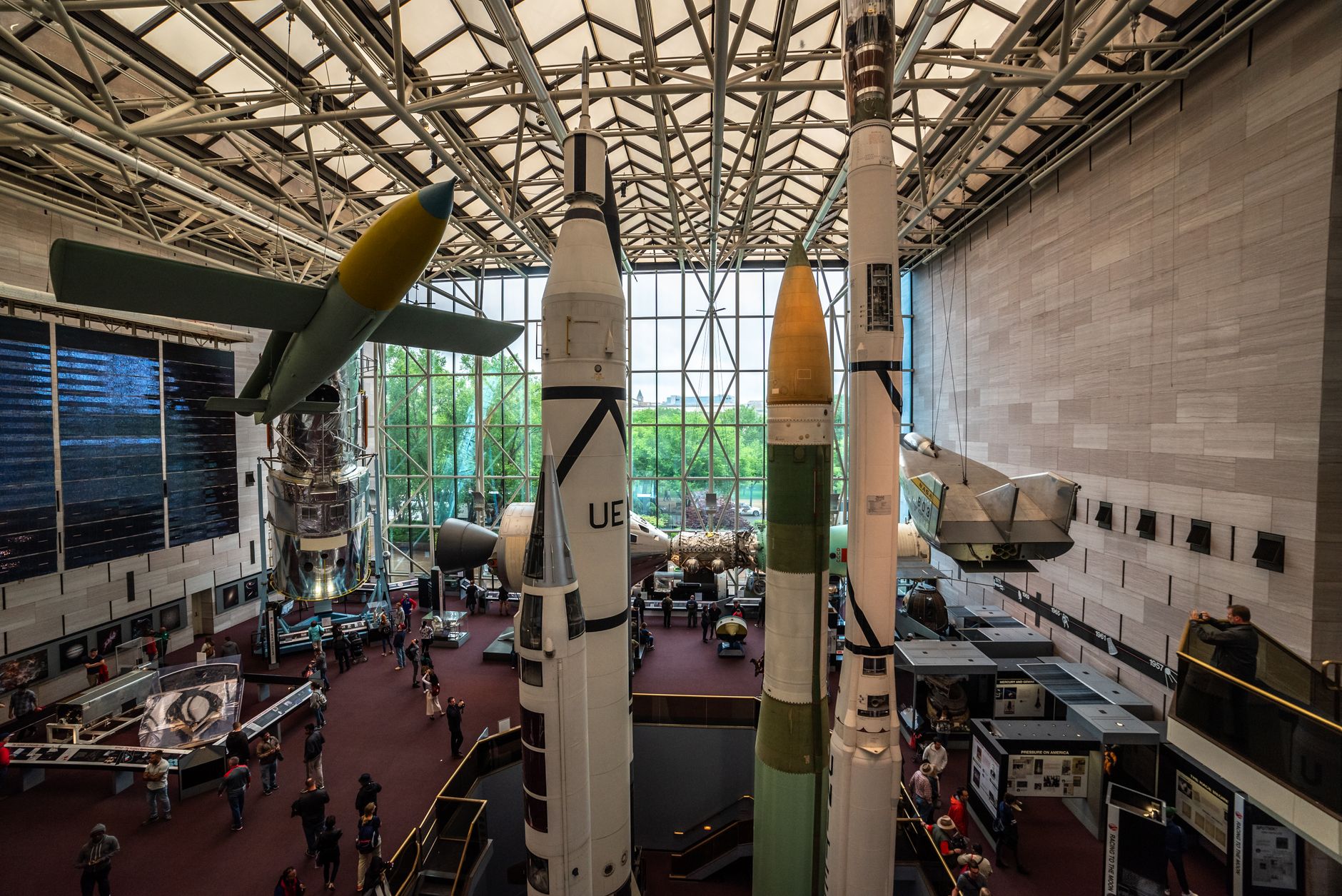
President Donald Trump ordered signs placed outside the Smithsonian's history museum accusing it of inaccuracy, escalating his attack on its historical portrayals.
President Donald Trump on Friday ordered the interior department to install signs outside the Smithsonian National Museum of American History that accuse the institution of inaccuracy, marking an escalation in his campaign against what he and his allies view as a politicized portrayal of U.S. history. The directive, issued by the White House, tasks Interior Secretary Doug Burgum with collaborating with the National Park Service and domestic policy aide Vince Haley to develop temporary signage along public walkways leading to the museum.
Details of the Signage Order
The order specifies that the signs must inform visitors that the museum's exhibits should be renovated to align with a recent report critical of the institution. Additionally, the signs should direct the public to alternative sources for more accurate American history information. The same group is also required to produce signs chiding the Smithsonian for failing to adequately commemorate the 250th anniversary of the Declaration of Independence. The White House did not provide further details on the exact wording or timeline for installation.

Background of the Attacks
The move is part of a broader effort by the Trump administration and its allies to reshape how the Smithsonian presents American history. Earlier this month, Republican lawmakers grilled museum director Anthea Hartig in congressional hearings, accusing the museum of featuring “overtly sexual” content and promoting “self-loathing” among visitors. A report from the White House’s Domestic Policy Council, titled “Saving America’s Story,” accused the museum’s leadership of “ideological capture” and claimed the institution had abandoned a shared national narrative in favor of a divisive focus on injustices.
Defense from Historians and Museum Leadership
The American Historical Association, a professional organization of historians, pushed back against the criticism, praising the Smithsonian’s “commitment to scholarship and accuracy.” In a statement, the group warned that political interference undermines public trust and compromises historical integrity. Hartig, in her congressional testimony, defended the museum’s approach: “We honor the Declaration of Independence, the Revolution, the Constitution, and our national symbols. And we tell the truth about the times the country fell short of its own founding ideals. Telling our story fully is a form of respect for the American people.” The museum declined to comment on the latest order.
Implications and Next Steps
The signage order represents an unprecedented direct intervention in the operations of the Smithsonian, a federally funded institution that has long enjoyed relative autonomy. Critics argue that the move could set a dangerous precedent for political control over historical interpretation. As the 250th anniversary of the Declaration of Independence approaches, the clash over how to portray America’s past is likely to intensify, with implications for public understanding of history and the role of museums in a democratic society.
