Trump: Iran's 'last chance' to strike deal on Strait of Hormuz

Trump calls Iran's moment a 'last chance' to reopen the Strait of Hormuz. He insists talks are ongoing despite Tehran's denials.
US President Donald Trump has issued a stark warning to Iran, calling the present moment its "last chance" to reach an agreement that would reopen the Strait of Hormuz and end a five-month-long war. Speaking from the Oval Office on Monday, Trump made clear that he intends to offer Tehran every opportunity to sign "a good document" before what he ominously described as "decapitation."
Trump also said that negotiations with Iran are "going on right now," directly contradicting Tehran's public insistence that no direct talks are underway. The conflicting accounts add a layer of confusion to an already volatile diplomatic situation.
Ultimatum Delivered
"This is a last chance for them to sign a good document," Trump told reporters, using the phrase repeatedly for emphasis. The term "decapitation" was not defined, but in geopolitical contexts it often refers to targeted attacks on leadership or a complete restructuring of the regime. The White House has not elaborated on its meaning, leaving room for intense speculation.
Analysts view the president's comments as a calculated move to raise pressure on Tehran. By framing the offer as a "last chance," Trump may be attempting to corner Iranian leadership into a decision, while also signaling to domestic audiences that he has exhausted all alternatives.

The Negotiation Mystery
Trump's claim that talks are ongoing stands in direct opposition to statements from Iranian officials. Tehran has repeatedly denied any direct engagement with Washington, though it has not entirely closed the door to indirect diplomacy. The ambiguity suggests that the two sides may be communicating through intermediaries, or that the president's assertion is meant to create a narrative of progress.
Previous efforts to negotiate a new deal with Iran have been hampered by mistrust and geopolitical rivalries. The current war has only deepened divisions, making a breakthrough all the more difficult.
Strait of Hormuz and Global Impact
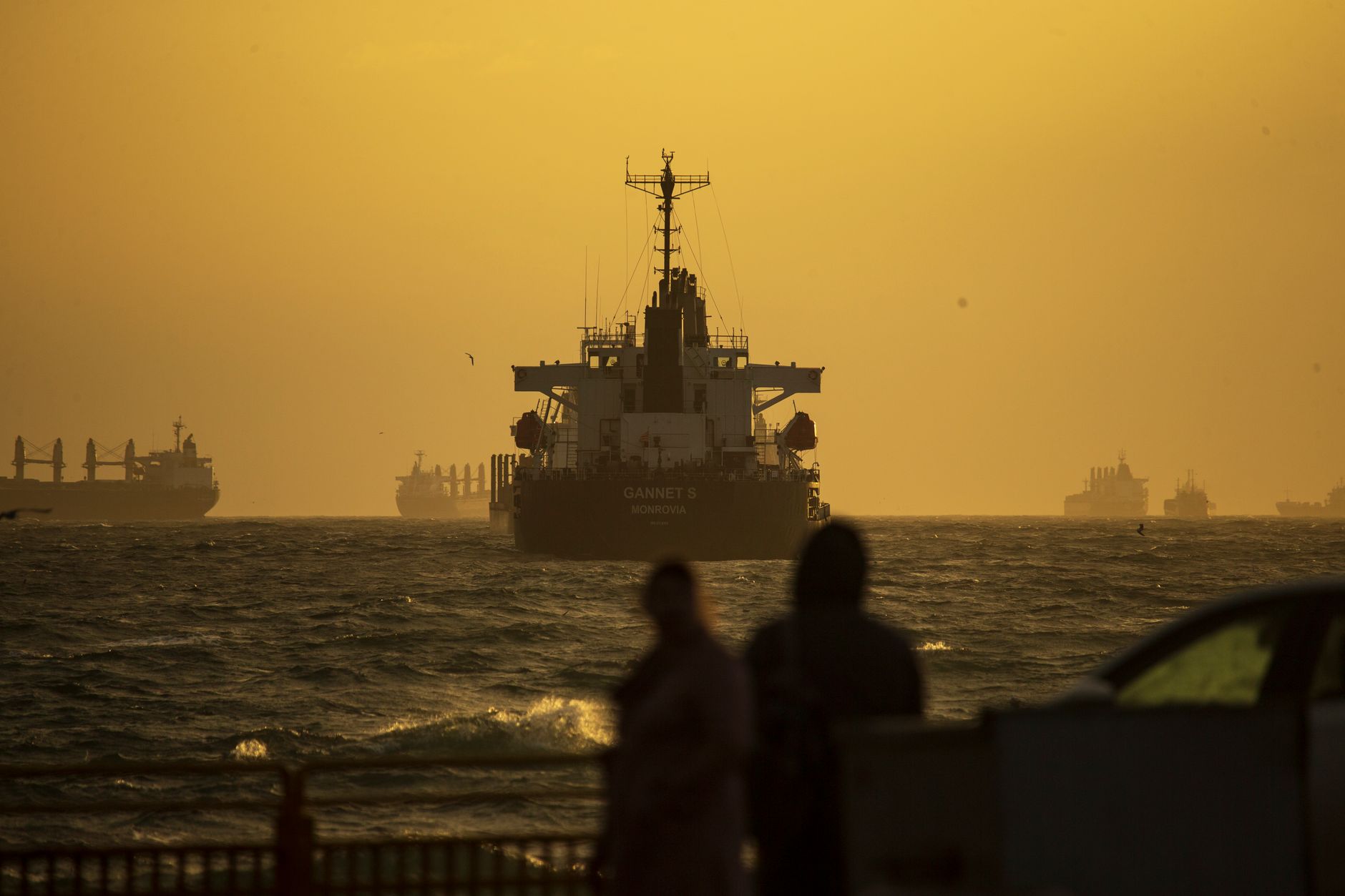
The Strait of Hormuz is a narrow waterway through which roughly 20% of the world's oil is transported. Its closure, a key feature of the conflict, has disrupted global energy markets and raised fears of supply shortages. Reopening the strait is a central demand from Washington, which has blamed Iran for threatening international navigation.
The war, now in its fifth month, has taken a severe toll on regional stability. Both sides face significant economic hardship, yet neither appears willing to back down. Iran's oil exports have plummeted, while the US and its allies have had to contend with higher energy prices and increased military deployments.
What Lies Ahead
Trump's "last chance" warning sets the stage for a critical phase in the crisis. If Tehran responds favorably, it could lead to an agreement that reopens the strait and halts the conflict. If not, the possibility of a military escalation looms larger than ever.
The coming weeks will be pivotal. Diplomats and world leaders will be watching to see whether Iran treats this as a genuine window for negotiations or as a bluff. The president's language leaves little room for ambiguity: this may indeed be the final opportunity for a peaceful resolution.